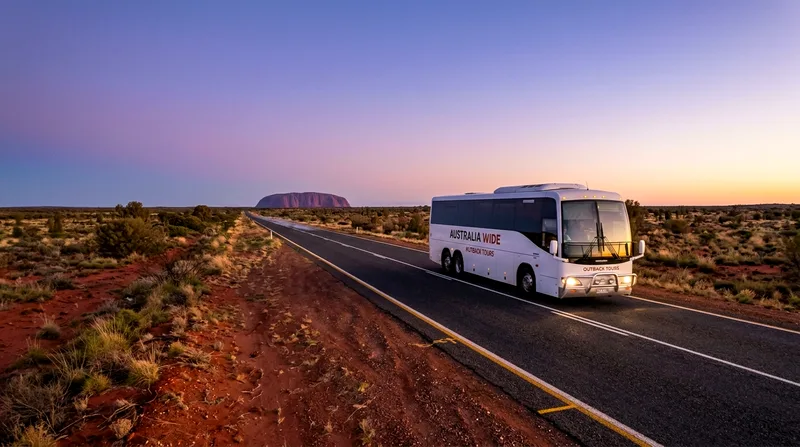
Best Uluru Tours from Alice Springs: Day Trips & Packages
Compare an Uluru tour from Alice Springs by duration, price range, and inclusions. Day trips vs multi-day packages, explained for every traveler type.
10 min read · 9 Oct 2026
Tours & activities
Compare Uluru tours by type, group size, and traveller profile. Find walking, bus, helicopter, and camel tours with booking tips and what to expect.
6 guides
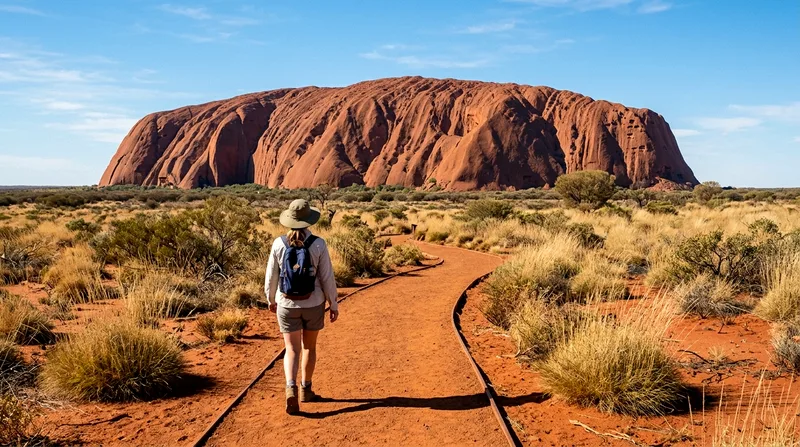
Uluru tours split broadly into walking, vehicle-based, aerial, and cultural categories, and the right pick depends less on what's available and more on who you are. A 22-year-old backpacker travelling solo through the Northern Territory has different needs than a family with two kids under ten or a couple celebrating an anniversary. The rock itself doesn't change — it's roughly 9.4 km around the base — but how you experience it should.
Before booking, be honest about three things: your fitness level, your tolerance for heat (daytime temperatures regularly hit 35–40°C from November to March), and how much structure you want. Some travellers want an Aboriginal guide explaining Tjukurpa (creation stories) at every stop. Others just want a 90-minute base walk and photos at sunrise, then back to the resort pool. Both are valid, but they call for different tour formats.
Solo travellers get the best value from small-group walking tours and shared bus transfers, since many base-walk and sunrise tours run with groups of 10–25 people and charge per person regardless of group size. Look for operators offering hop-on coach transfers from Alice Springs or the Ayers Rock Resort — these often double as cheap transport and guided commentary in one booking. Budget-conscious solo travellers should skip the helicopter flights (typically the most expensive single add-on) and instead combine a free self-guided base walk with one paid cultural tour. Hostel-style accommodation near Yulara often bundles discounted tour add-ons, so ask before booking separately.
Families do best with shorter, flexible walking segments rather than the full 9.4 km base circuit, which can take 3–4 hours and exhausts young kids in the heat. Many operators offer family-friendly versions of the sunrise tour that cover 1–2 km with frequent stops at waterholes and rock art sites. Camel tours are a reliable family favourite — rides typically run 30–45 minutes and suit children from around age 5 up, though check the minimum age and weight limits with the operator directly, as these vary. Avoid scheduling a midday walking tour with young children; heat exhaustion risk is real, and most reputable operators won't run strenuous walks in the hottest hours anyway.
Couples have the widest range of options because budget tends to stretch further split two ways. A sunrise or sunset small-group tour (sometimes combined with a sparkling wine viewing platform) is the classic choice, but a private half-day tour — usually just one couple or two with a dedicated guide — gives more flexibility on pace and photo stops. Helicopter flights over Uluru and Kata Tjuta, typically 15–30 minutes, are popular for anniversaries despite being pricier per person than ground tours. If romance matters more than cost, prioritise timing: sunset tours with a private vantage point sell out faster than sunrise ones, so book those first.
Seniors and travellers with limited mobility should ask specifically about terrain before booking — the full base walk is flat but unshaded and long, while some shorter walking segments near the Cultural Centre are paved and manageable with a cane or walking frame. Bus and 4WD tours that stop at multiple lookout points without requiring continuous walking suit this group well, as does a scenic flight, which involves no walking at all beyond the helipad. Always confirm wheelchair accessibility directly with the operator rather than assuming — some vehicles and walking tracks accommodate wheelchairs, others don't, and this isn't always obvious from a tour listing.
Uluru guided tours fall into five broad categories, and most visitors end up combining two rather than picking just one. None is objectively "best" — each trades off cost, physical demand, and depth of cultural interpretation differently.
Walking tours are the most affordable and culturally rich option, while helicopter flights cost the most for the shortest time but deliver a view no ground tour can match.
Uluru tour types compared by fitness level, duration, cost, and group size
| Tour Type | Typical Duration | Fitness Level | Relative Cost | Typical Group Size |
|---|---|---|---|---|
| Walking/hiking tour | 1.5–4 hours | Low to moderate | Low | 10–25 people |
| Bus/4WD tour | Half-day to multi-day | Low | Low to moderate | 15–40 people |
| Helicopter flight | 15–30 minutes | None | High | 2–6 people |
| Camel tour | 30–60 minutes | Low | Moderate | 8–20 people |
| Private guided tour | 2–8 hours | Flexible | High | 1–6 people |
Durations and group sizes are typical ranges; always confirm specifics and current prices with the operator before booking.
Guided walking tours are the backbone of most Uluru itineraries, usually departing at sunrise to beat the heat and catch the rock's colour change. The full base walk covers 9.4 km and takes 3–4 hours at a relaxed pace; shorter versions focus on the Mala or Kuniya walks (1–4 km) and include Aboriginal cultural commentary on rock art and waterholes. These tours are flat, well-marked, and require no technical skill — just reasonable fitness and sun protection. The trade-off is time: you need an early start, often a 4:30–5am pickup, to catch sunrise light before groups thicken.
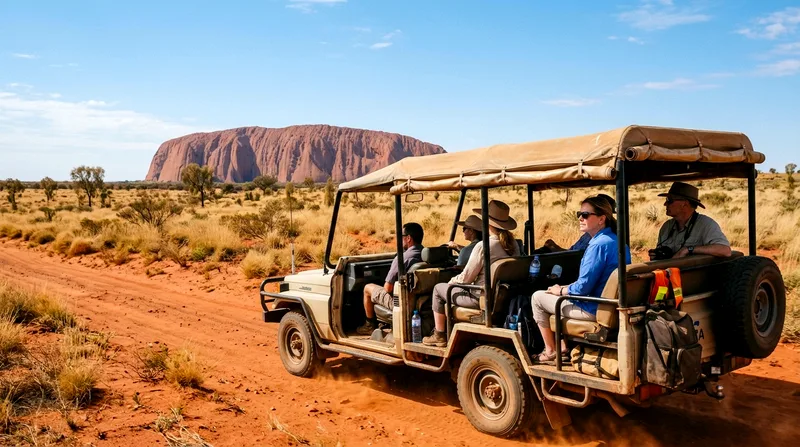
Bus and 4WD tours suit travellers who want to cover more ground with less walking — typically combining Uluru viewing, a Kata Tjuta lookout stop, and sometimes a Kings Canyon or Alice Springs extension into a single day. These run anywhere from half-day to multi-day circuits through Watarrka National Park and the MacDonnell Ranges. The obvious upside is coverage; the downside is less time at any single site and a fixed schedule that doesn't suit travellers who want to linger. Multi-day bus tours bundling Uluru, Kata Tjuta, and Kings Canyon are common and generally better value per site visited than booking each separately.
Scenic flights give a perspective ground tours can't — the full outline of Uluru and the dome formations of Kata Tjuta from above, often combined with a wider loop over the surrounding desert. Flights typically run 15–30 minutes, occasionally longer for extended routes that include Kings Canyon. This is the most expensive category per minute, and it's weather-dependent — high winds or dust can ground flights with little notice, so build flexibility into your schedule if this is a priority booking.
Camel tours, usually at sunrise or sunset, offer a slower, novel way to view the rock from a distance across the desert plain, typically lasting 30–60 minutes including saddling up. Cultural experiences led by Aboriginal guides — covering bush tucker, traditional tools, or Tjukurpa storytelling — are increasingly bundled into base walks rather than sold separately, and they're worth prioritising if deeper understanding of the land matters to you more than ticking off a photo spot.
Group tours (typically 10–30 people) are cheaper per person and easier to book last-minute; private tours cost more but let you set the pace, skip crowd bottlenecks at popular viewing platforms, and sometimes customise the route. For a family with young kids or a couple wanting flexibility, private tours are worth the premium. For solo travellers or budget-focused groups, standard small-group tours offer nearly the same experience at a fraction of the cost.
Not all Uluru tours advertised online deliver the same experience even within the same category, so read the fine print before comparing prices.
Smaller groups generally mean more guide interaction and less waiting around at photo stops, but they cost more per person. A 25-person sunrise walk moves slower and feels more crowded at lookout points than an 8-person version of the same route. Check the stated maximum group size, not just the average — some listings quote "up to 30" when most departures run closer to 15.
Sunrise tours often include a light breakfast (tea, coffee, pastries) at a viewing area; sunset tours sometimes add sparkling wine and canapés. Confirm whether park entry — the Uluru-Kata Tjuta National Park pass, valid for three consecutive days — is included or needs separate purchase, since this trips up a surprising number of first-time bookers.
Outback weather can cancel helicopter flights or force walking tour reroutes with little warning, particularly during the summer heat season when park authorities close some trails by mid-morning. Check the operator's weather policy — full refund, credit, or reschedule — before paying in full, and avoid any tour that doesn't clearly state one.
Timing your booking matters almost as much as choosing the right tour type.
May to September (the dry season) brings cooler days, around 20–25°C, and is the busiest period — book walking and sunrise tours at least 2–4 weeks ahead if travelling during school holidays. December to February is hot and quieter, with some midday walks closed by park rangers for safety; early morning tours still run but fill fast due to limited cooler hours.
Compare listings across a few booking platforms rather than the first one you find — the same tour category can show different inclusions and cancellation terms depending on the seller. Read recent reviews for group size accuracy and guide quality, since these vary more than duration or route. Always check current prices and availability directly before booking, as rates shift with season and demand.
Most guided Uluru tours include transport from Yulara or the Ayers Rock Resort, a guide (often with Aboriginal cultural input built into the route), and basic refreshments on sunrise or sunset departures. National park entry fees are sometimes included, sometimes not — this is the single most common point of confusion, so verify it line by line.
Expect early starts. Sunrise departures commonly mean a 4:30–5:30am pickup depending on the season, since first light shifts throughout the year. Dress in layers — mornings can be cool (10–15°C in winter) before the temperature climbs fast. Bring your own water bottle even if some is provided; the dry desert air dehydrates faster than most travellers expect, and most operators strongly recommend at least one litre per person for a half-day tour.
If your itinerary includes Alice Springs, Kings Canyon, or a Kakadu extension from Darwin, treat Uluru as one leg of a longer outback loop rather than a rushed day trip — most seasoned Northern Territory travellers spend at least two nights near the rock to allow for both a sunrise and sunset viewing without exhaustion.
A guided sunrise base walk covering 2–4 km is the easiest entry point — flat terrain, a knowledgeable guide, and no booking complexity. It gives a solid introduction to the site's scale and cultural significance without the cost of a helicopter flight or the planning needed for a private tour.
Walking tours run 1.5 to 4 hours, camel tours 30–60 minutes, helicopter flights 15–30 minutes, and bus tours anywhere from a half-day to several days if combined with Kings Canyon or Alice Springs. Multi-day outback circuits exist but most visitors base their Uluru experience around a single full day plus one sunrise or sunset add-on.
Yes, with the right choice — shorter walking segments, camel rides, and family-oriented sunrise tours work well for kids from around age 5 up. The full 9.4 km base walk and midday tours in summer heat are harder for young children, so check age recommendations and route length before booking.
Bring at least one litre of water per person, sun protection (hat, sunscreen, sunglasses), sturdy closed shoes, and a light jacket for early starts when temperatures can sit at 10–15°C before sunrise. Flies are persistent in warmer months, so a fly net is genuinely useful, not a gimmick.
Yes — private tours are widely available for walking, 4WD, and helicopter experiences, typically for 1–6 people with a dedicated guide and flexible pacing. They cost more than standard group tours but suit families, couples wanting privacy, or travellers with mobility needs who want a customised route.
Compare an Uluru tour from Alice Springs by duration, price range, and inclusions. Day trips vs multi-day packages, explained for every traveler type.
10 min read · 9 Oct 2026
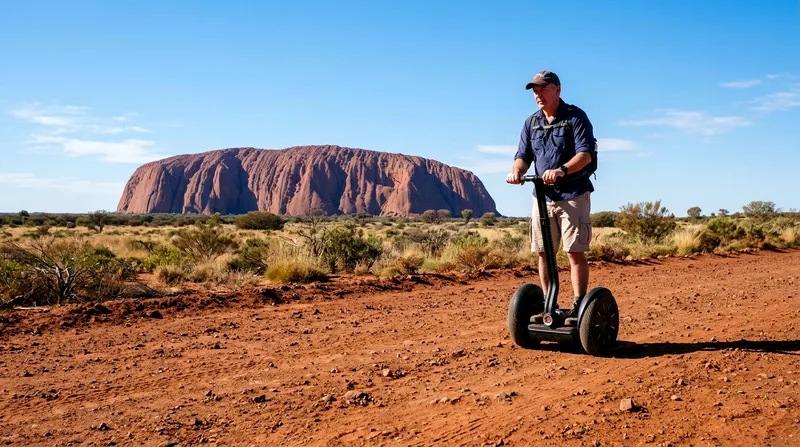
Thinking about a Uluru Segway tour? Learn what the experience covers, typical pricing, best times to go, and how it compares to walking the base.
9 min read · 9 Oct 2026
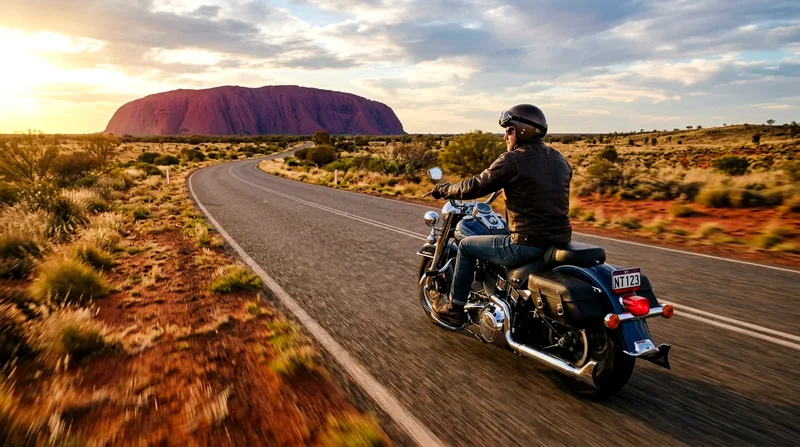
Planning an Uluru motorcycle tour? Compare Harley-Davidson sidecar rides, routes, pricing tiers and booking tips for this Red Centre adventure.
11 min read · 9 Oct 2026
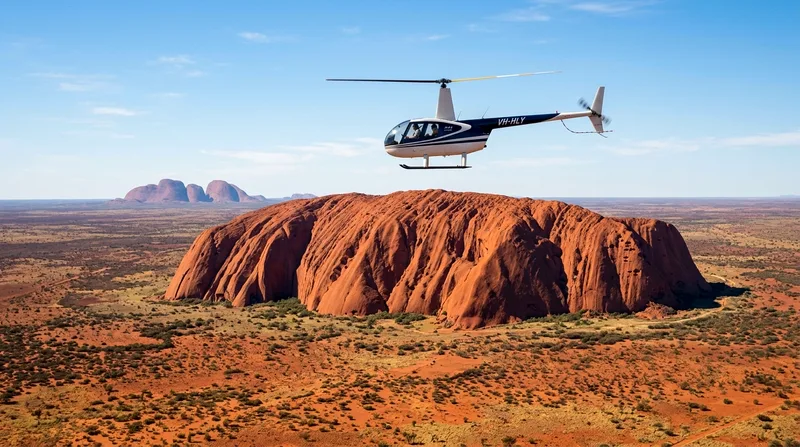
Compare Uluru helicopter tours by duration, route, and price. Book scenic flights over Ayers Rock with operator guides and booking tips.
9 min read · 9 Oct 2026
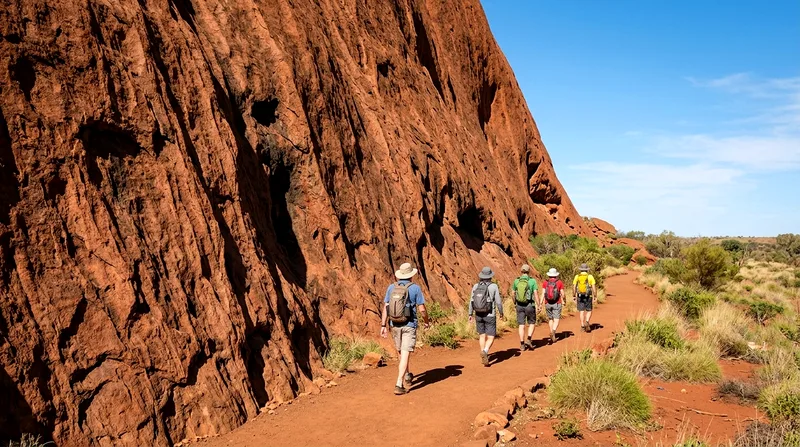
Compare the Uluru base walk tour options — self-guided vs guided. Costs, fitness demands, cultural insight and crowd levels, explained plainly.
9 min read · 9 Oct 2026
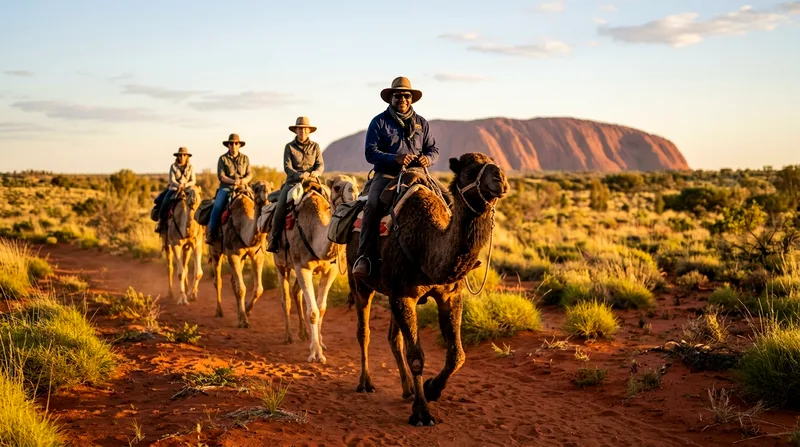
Planning a Uluru camel tour? Compare sunrise and sunset rides, check typical prices, and learn booking tips before visiting the Red Centre.
10 min read · 9 Oct 2026