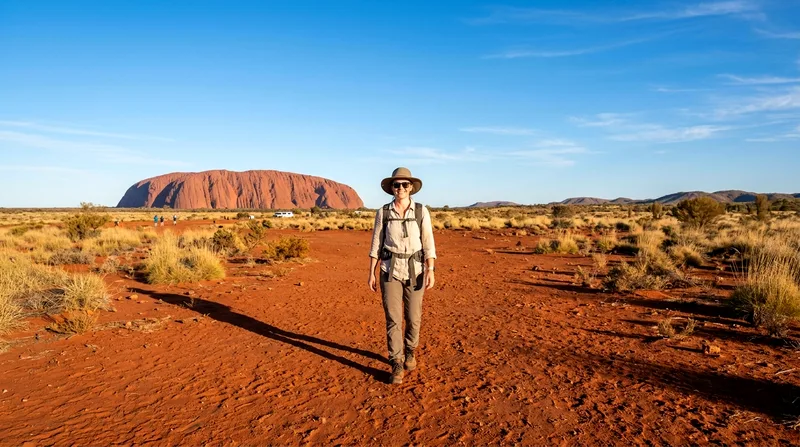
Solo at Uluru: Itinerary & Best Group Tours
Plan your solo trip to Uluru with this 3-day itinerary. Discover social group tours, no single supplements, and tips for solo travellers.
9 min read · 9 Oct 2026
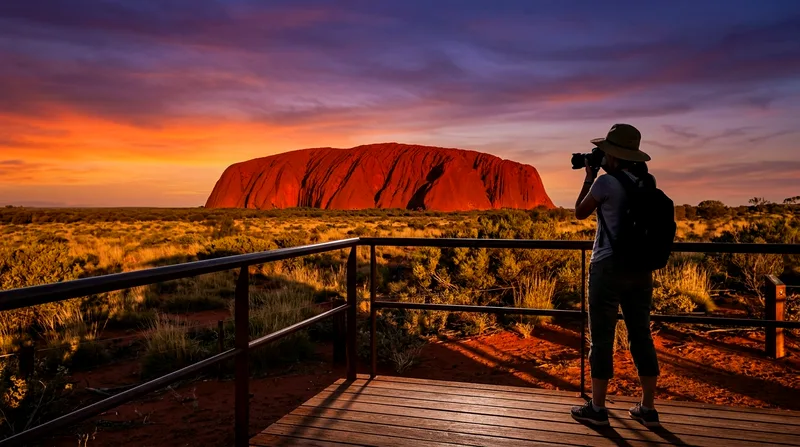
Itineraries
Plan your Uluru trip with decision-first itineraries for 1, 2, 3, and 5 days. Match your travel style, budget, and interests to the right plan.
6 guides
Choose your ideal Uluru itinerary based on time, budget, and what you want to experience in Australia's Red Centre. This guide splits things out by traveler type, because a backpacker stretching a budget and a family with young kids need very different Uluru travel plans, even if they're looking at the same rock.
If you're a budget backpacker moving through the Northern Territory on a broader route, the 2-day itinerary is probably your ceiling — it covers sunrise, sunset, and the Uluru base walk without burning through accommodation nights at Yulara, which isn't cheap. Families with children generally do best with 3 days: it spreads out the early starts and long walks, and leaves room for a pool afternoon at Ayers Rock Resort when the kids hit a wall. Adventure seekers and hikers should look at the 5-day plan, since it's the only one that properly fits in Kings Canyon's rim walk alongside Uluru and Kata Tjuta. Cultural explorers — people specifically chasing Aboriginal-led experiences — need at minimum 3 days to book a dedicated cultural guide tour without rushing it between other activities.
Couples and senior travelers tend to sit in the middle: 3 days gives a comfortable pace with built-in rest, while still catching both sunrise and sunset viewing more than once. European and other long-haul travelers, given the flight time involved in reaching the Red Centre at all, should lean toward 3 days minimum — anything shorter makes the travel-to-experience ratio feel lopsided.

One day at Uluru is possible but tight, and I'd only recommend it if you're genuinely constrained — a long layover en route between Alice Springs and Darwin, say, or a tacked-on stop during a broader Northern Territory road trip. You will see Uluru. You won't see much else, and you'll be choosing between sunrise or sunset, not both, because the drive back to Yulara and the pace of the day doesn't comfortably allow for a second early start.
Start at sunrise — arrive at one of the designated viewing areas (Talinguru Nyakunytjaku is the main one) by around 6:00am in cooler months, earlier in summer. After sunrise, head straight into the Uluru base walk, a flat 10.6km loop around the rock that takes 3 to 3.5 hours at a steady pace. Start it early; by 10am in summer the heat makes the full loop uncomfortable, and park rangers sometimes close sections of track above 36°C. If you don't have time or stamina for the whole loop, the Mala Walk (a 2km return section) covers some of the most significant cultural sites and rock art in under an hour. Grab lunch back in Yulara — the Town Square food court has reasonable options — and rest through the hottest part of the afternoon.
With only one day, skip Kata Tjuta entirely rather than rush it — a drive-by glimpse does the formation no favors. Instead, head to a sunset viewing area for Uluru itself around 5:30-6pm depending on season. This is the one experience worth prebooking even on a single-day visit: a guided sunset viewing with canapés or wine is the typical version, and spots fill up in peak season (June to August). Compare current prices before you book, since operators and inclusions change seasonally.
Two days is the realistic minimum for seeing both of the Red Centre's major formations without feeling like you're sprinting through them. This is the itinerary I'd suggest for most solo travelers and couples on a tighter schedule — it balances Uluru and Kata Tjuta properly while still being bookable as a long weekend from Alice Springs.
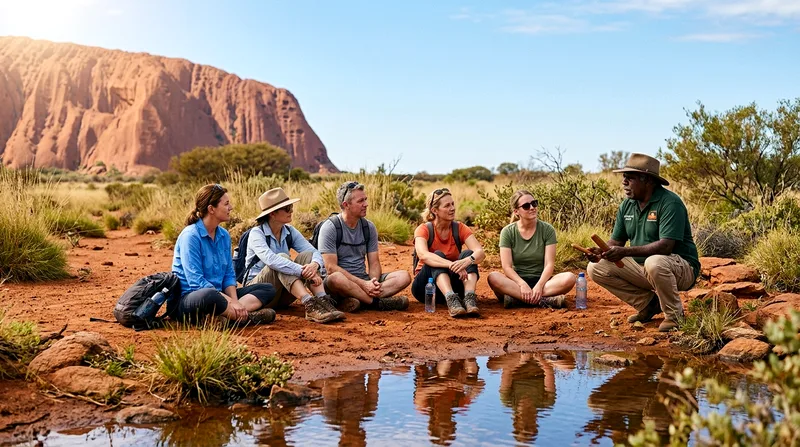
Morning: sunrise at Uluru, followed by the full base walk (10.6km, 3+ hours) or a shorter cultural walk with an Aboriginal guide if you'd rather understand the significance of sites like Mutitjulu Waterhole rather than just walk past them. Afternoon: rest at Yulara through the heat, visit the free Cultural Centre near the base (worth 45-60 minutes, covers Anangu history and land rights). Evening: sunset viewing at Uluru — this is your one must-book slot for the day, and a Field of Light visit (the Bruce Munro light installation) pairs well with sunset if it's running during your visit.
Morning: drive to Kata Tjuta (about 40 minutes from Yulara) for sunrise or early light, then walk the Valley of the Winds track — 7.4km, roughly 3-4 hours, and genuinely more strenuous than the Uluru base walk with steeper, rockier sections. If you're short on energy, the Walpa Gorge walk is a 2.6km return alternative that takes under an hour. Afternoon: head back to Yulara, swim, pack. Evening: a second sunset at Uluru from a different viewing point (Talinguru Nyakunytjaku offers a different angle than the main car-based viewing area), or an alternative like a camel tour at dusk if you want something other than a repeat sunset.
Three days is, in my opinion, the sweet spot — it's the most-booked length for good reason. You get Uluru and Kata Tjuta without rushing, plus a buffer day for weather, fatigue, or a genuinely unhurried cultural experience rather than a bolted-on add-on.
Two days covers Uluru and Kata Tjuta properly, but only five days fits in Kings Canyon without an exhausting round trip.
Uluru itinerary comparison: days needed, highlights, and who each plan suits
| Itinerary | Days Needed | Key Activities | Best For |
|---|---|---|---|
| 1-Day | 1 | Sunrise or sunset (not both), Uluru base walk | Layovers, tight budgets |
| 2-Day | 2 | Uluru base walk, Kata Tjuta Valley of the Winds, 2 sunsets | Solo travelers, couples, short trips |
| 3-Day | 3 | Uluru + Kata Tjuta walks, cultural guide, Field of Light | Families, first-timers, most travelers |
| 5-Day | 5 | Uluru, Kata Tjuta, Kings Canyon Rim Walk, Karrke cultural stop | Hikers, adventure seekers, long-haul travelers |
Timings are typical; actual pace depends on season, heat, and fitness level.
Arrive, settle into Yulara accommodation, and ease in rather than front-loading the day. Afternoon: Cultural Centre visit and a short orientation walk near the base. Evening: sunset viewing at Uluru — book this one ahead, especially June through August when Yulara fills with tour groups and viewing areas get busy.
Morning: sunrise plus the full 10.6km Uluru base walk — with a full day ahead, there's no need to rush it, and pairing it with an Aboriginal-led guided walk here (rather than on day one) gives you context you'll carry through the rest of the trip. Afternoon: rest, pool time. Evening: Field of Light or a sounds-of-silence dinner under the stars — this is the experience worth prebooking on a 3-day trip, since both have limited capacity and sell out in peak months.
Morning: Kata Tjuta sunrise and the Valley of the Winds walk (7.4km, 3-4 hours). Afternoon: drive back to Yulara, relax or shop for Aboriginal art at the Cultural Centre galleries. Evening: final sunset, ideally from a viewing spot you haven't used yet — Kata Tjuta Dune Viewing area gives you Uluru and Kata Tjuta in the same frame, which neither of the main Uluru-only viewing areas offers.
Five days is for travelers who want the full Red Centre picture, not just the two headline rock formations. This is the only itinerary length that comfortably includes Kings Canyon, which sits roughly 3 to 3.5 hours' drive from Yulara via Watarrka National Park — too far for a day trip from Uluru without an exhausting 7+ hour round-trip drive on top of hiking.
Same as the 3-day plan's opening: arrive, Cultural Centre, orientation walk, sunset viewing at Uluru. Keep this day light — you've got four more to come.
Sunrise and full Uluru base walk in the morning, guided Aboriginal cultural walk woven in. Afternoon rest. Evening: Field of Light or sounds-of-silence dinner.
Kata Tjuta sunrise and Valley of the Winds walk. Afternoon drive or rest. Evening: sunset from the Dune Viewing area.
Early departure (6am) for Kings Canyon via Watarrka National Park. Tackle the Rim Walk — 6km, about 3-4 hours, with a steep initial climb nicknamed "Heart Attack Hill" that's genuinely tough in heat. The Karrke Aboriginal Cultural Experience, a short stop near the Kings Canyon turnoff, is worth the detour for a different cultural perspective than what you'll get around Uluru. Overnight near Kings Canyon or drive back to Yulara in the evening, depending on your accommodation booking.
Morning: drive back toward Yulara or onward to Alice Springs (Kings Canyon to Alice Springs is roughly 4 hours, making this a logical exit route rather than backtracking). Afternoon: flexible — a second look at Uluru, shopping, or extra downtime. Evening: departure or final sunset if your flight schedule allows it.
Yulara functions as the only real base, and everything — Uluru, Kata Tjuta, the airport (Ayers Rock Airport, code AYQ) — radiates out from it. Uluru itself is about 20 minutes' drive from Yulara; Kata Tjuta is roughly 40-50 minutes. There's no public transport loop connecting the sights on a timetable useful for independent travelers, so you're choosing between self-drive and guided tours.
Self-driving gives you control over timing, which matters enormously for sunrise and sunset — arrive 10 minutes late to a viewing area and you've lost the moment. Rental cars are available at the airport and in Yulara, and the roads themselves are sealed and straightforward; this isn't outback 4WD territory. The catch is cost and fatigue — fuel and rental prices in Yulara run higher than in major cities, and after a full day of walking in heat, driving yourself to a sunset slot is less appealing than being dropped off.
Guided tours solve the fatigue problem and usually include a driver-guide who explains geology and Anangu culture along the way, which self-driving obviously doesn't. The trade-off is fixed scheduling — you're on their timeline, not yours. For first-time visitors without 4WD experience or confidence driving in Australia, I'd lean toward booking at least the sunrise/sunset transfers and doing the walks independently, splitting the difference.
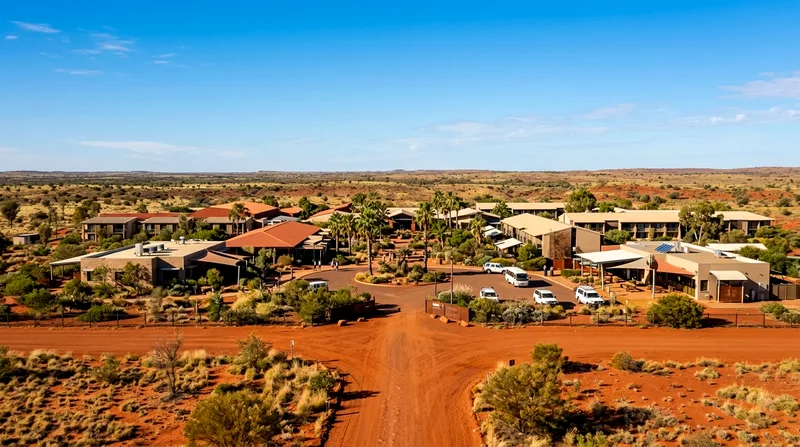
Yulara isn't a town so much as a purpose-built resort hub — Ayers Rock Resort — and it's genuinely the only accommodation base within reasonable range of Uluru. Options span from the Ayers Rock Campground (powered sites from roughly AUD $45-50/night) through mid-range hotel rooms to the luxury end at Longitude 131°, which sits right on the dune line with direct Uluru views from private tents.
Don't expect budget flexibility here the way you'd find in Alice Springs — Yulara has a near-monopoly on proximity, and prices reflect that. Some travelers choose to base in Alice Springs instead and day-trip or tour out to Uluru, but that's a 450km, roughly 4.5-5 hour drive each way, which only makes sense as part of a multi-stop Red Centre road trip through the MacDonnell Ranges rather than a dedicated Uluru visit. Coober Pedy, the underground opal-mining town in South Australia, sometimes gets mentioned as a Red Centre stop, but it's over 700km from Uluru — a separate trip, not a base for it.
Book Yulara accommodation well ahead for the June-August peak season; rooms and even campsites sell out weeks in advance.
A handful of experiences across any Uluru itinerary are worth reserving ahead rather than winging it on arrival, because capacity is genuinely limited and demand is highest exactly when you'd want to visit — cooler months, April through September.
Sunset viewing with a guided component (canapés, wine, sometimes a didgeridoo performance) is the most commonly booked slot, and it's worth it mainly for the logistics — transport and a reserved spot — rather than novelty. The Field of Light installation, over 50,000 solar-powered stems across a desert field near Uluru, requires a timed ticket and sells out specific sunset sessions in peak months. An Aboriginal-guided base walk or dot-painting workshop through Anangu-run operators gives context that a self-guided walk simply can't — this is the one experience I'd prioritize booking if you only reserve one thing, because it's the difference between seeing a rock and understanding a living cultural landscape. For the 5-day itinerary, a Kings Canyon Rim Walk tour (versus self-driving and hiking independently) is worth it mainly if you want a guide explaining the geology of the Watarrka sandstone formations rather than walking it cold.
Compare current prices and availability before you book — schedules shift seasonally, and the best Field of Light and cultural tour slots go first.
Two days is the practical minimum if you want to see both Uluru and Kata Tjuta properly, with sunrise and sunset at each. Three days is more comfortable and lets you add a genuine Aboriginal cultural experience without rushing. If Kings Canyon is on your list, budget five days total.
Yes, but you'll have to choose between sunrise or sunset, not both, and you won't have time for Kata Tjuta. A one-day visit typically means sunrise, the full or partial base walk, rest through the afternoon heat, then a single sunset viewing before departure.
Most guided Uluru tours include transport from Yulara, a driver-guide who covers geology and Anangu cultural context, and entry coordination for Uluru-Kata Tjuta National Park. Sunset tours often add light refreshments. Multi-day packages sometimes bundle accommodation and meals — check what's included before comparing prices, since inclusions vary a lot between operators.
Self-driving gives you precise control over sunrise and sunset timing and costs less if you're already renting a car for a wider Northern Territory trip. Guided tours remove the fatigue of driving after long desert walks and add cultural context you won't get alone. Many travelers do both — self-drive for walks, book transfers for sunrise/sunset.
May to September (the dry season) brings cooler days, typically 20-25°C, and comfortable hiking conditions — it's also peak season, so book accommodation and Field of Light tickets well ahead. December to February is extreme heat, often above 38°C, with some walking tracks closing by mid-morning for safety.
Plan your solo trip to Uluru with this 3-day itinerary. Discover social group tours, no single supplements, and tips for solo travellers.
9 min read · 9 Oct 2026
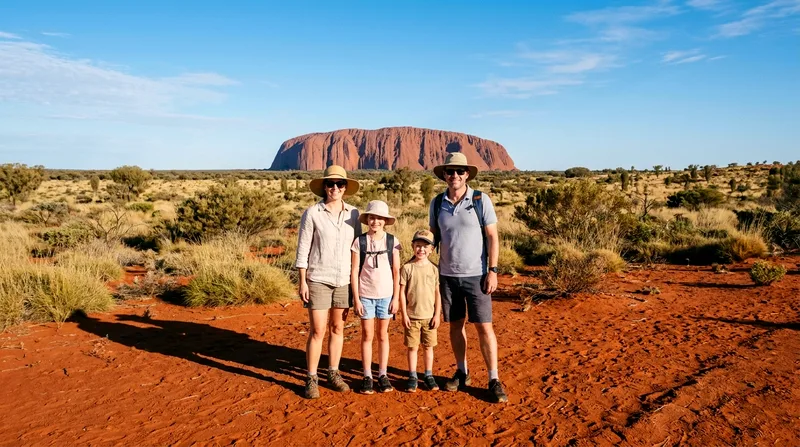
A practical Uluru itinerary for families with kids — pram-friendly walks, shaded activities, and age-appropriate cultural tours over three days.
11 min read · 9 Oct 2026
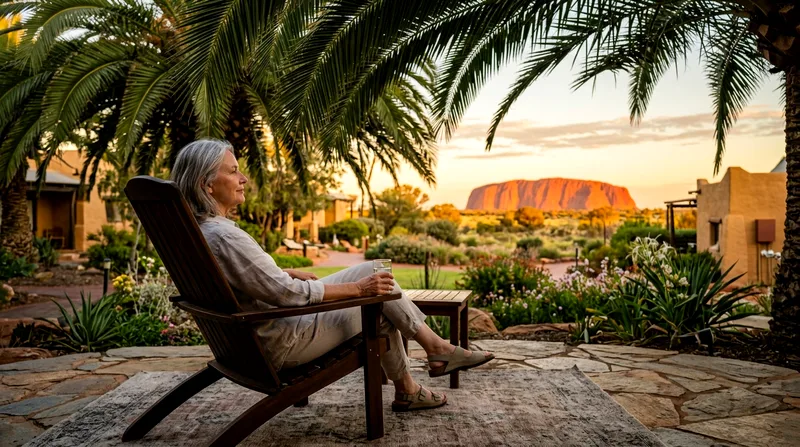
Gentle-paced Uluru itinerary for older travellers. Accessible walks, coach tours, seated sunsets & comfort-focused experiences over 3 days.
8 min read · 9 Oct 2026
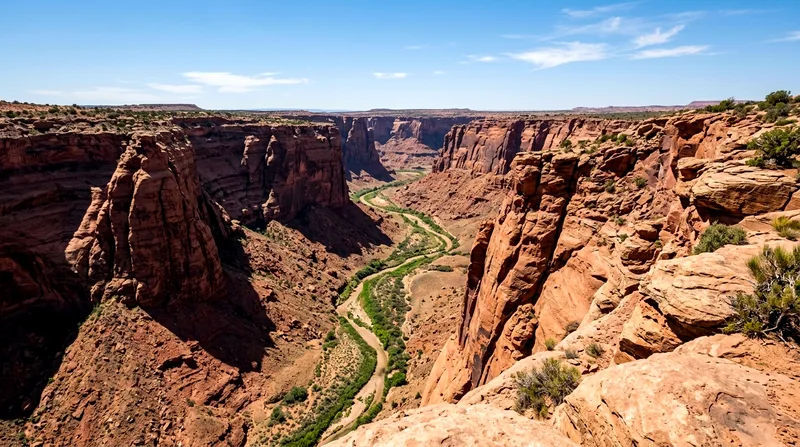
Plan your 3-day Uluru itinerary with Kings Canyon. Daily breakdown, tour options, and where to stay near Uluru and Kata Tjuta.
9 min read · 9 Oct 2026
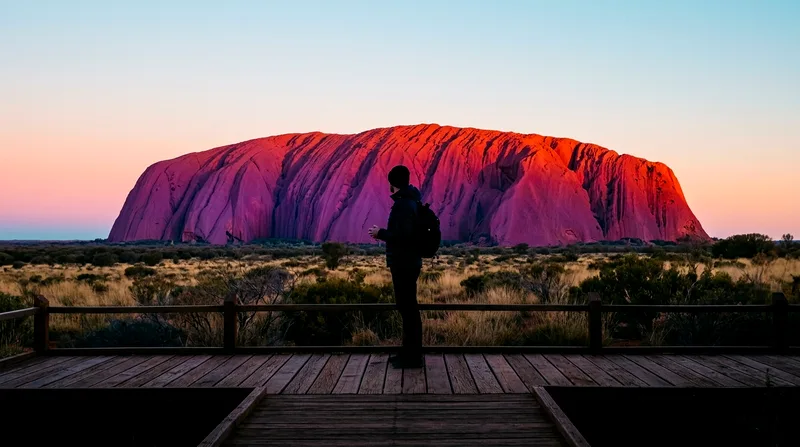
Plan your 2-day Uluru itinerary with sunrise, base walk, Kata Tjuta hike, and sunset dinner. Balanced schedule without rushing.
9 min read · 9 Oct 2026
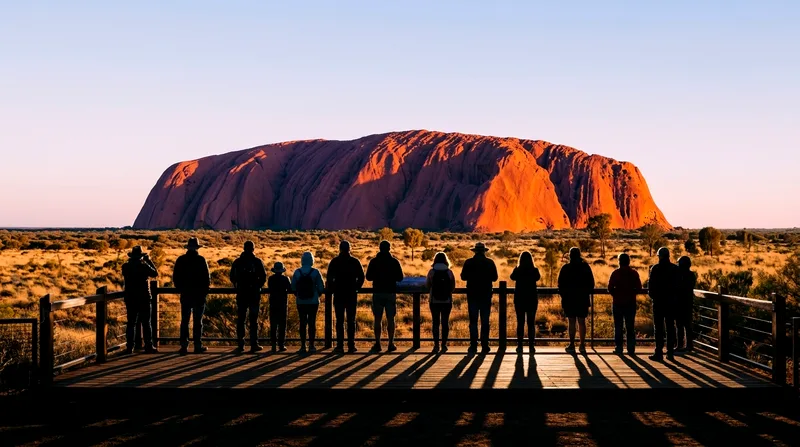
Maximise your single day at Uluru with this hour-by-hour itinerary. Sunrise, guided tours, and sunset viewing—all in one day.
8 min read · 9 Oct 2026