Are Uluru Tours Worth It? Budget vs Luxury Compared
Are Uluru tours worth it? Compare budget, mid-range and luxury options by cost, crowds, views and effort to find the best value for your trip.
9 min read · 9 Oct 2026
Save money
Save on Uluru tours with combo passes, shoulder-season timing, early bookings & free trails. Practical budget tips for every type of traveller.
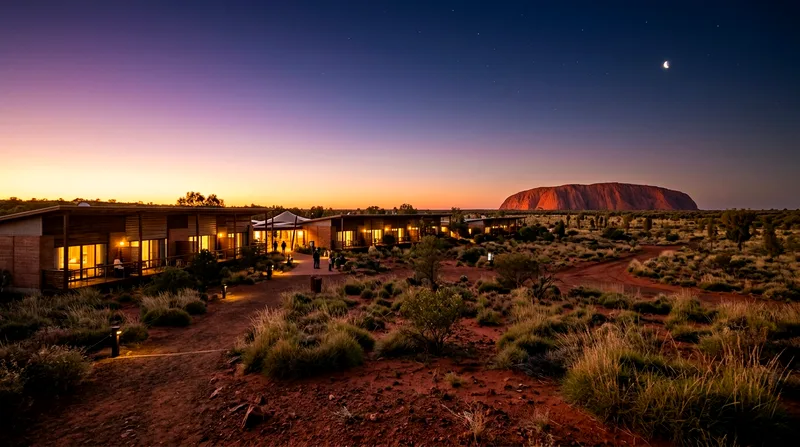
Before you look for ways to save on Uluru tours, it helps to know what you're actually paying for. Three cost blocks make up almost every visitor's budget: the park entry pass, transport or tour costs to get around once you're there, and accommodation at or near Ayers Rock Resort in Yulara — the only town servicing the park. Flights into Alice Springs or Ayers Rock Airport sit outside this, and they're worth comparing separately since prices swing a lot by season.
Most people underestimate the accommodation line and overestimate the entry fee. Yulara has no competing town nearby — it's a government-planned service hub built specifically for Uluru-Kata Tjuta National Park — so room rates don't face the downward pressure you'd see in a place with multiple nearby towns. Compare that to Alice Springs, roughly 450 km away, where budget motels and backpacker hostels are considerably cheaper, but then you're adding a 5-6 hour drive or a flight.
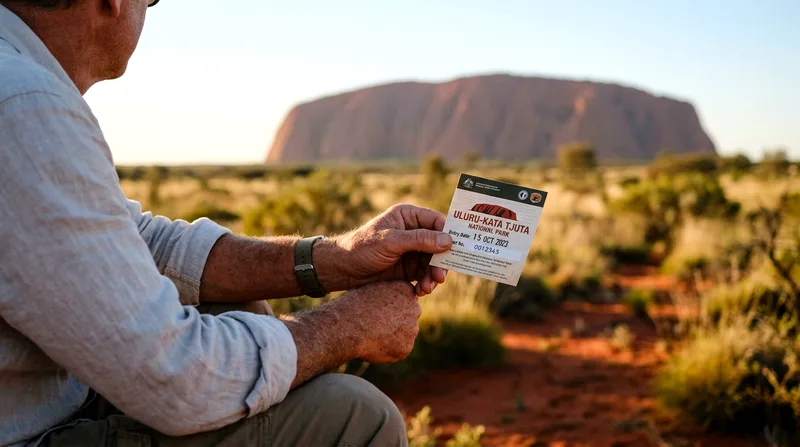
Parks Australia sells the Uluru-Kata Tjuta National Park pass as a 3-day entry, typically priced in the AU$30-45 range per adult, with reduced rates for children and family passes. This single pass covers both Uluru and Kata Tjuta — there's no separate ticket for the Valley of the Winds or Walpa Gorge walks at Kata Tjuta. Annual passes exist too, aimed at Northern Territory residents and repeat visitors, and they're a poor choice for a one-off trip. The pass is checked at the park entry station, so buy it online in advance or budget extra time to queue at the gate during peak morning hours.
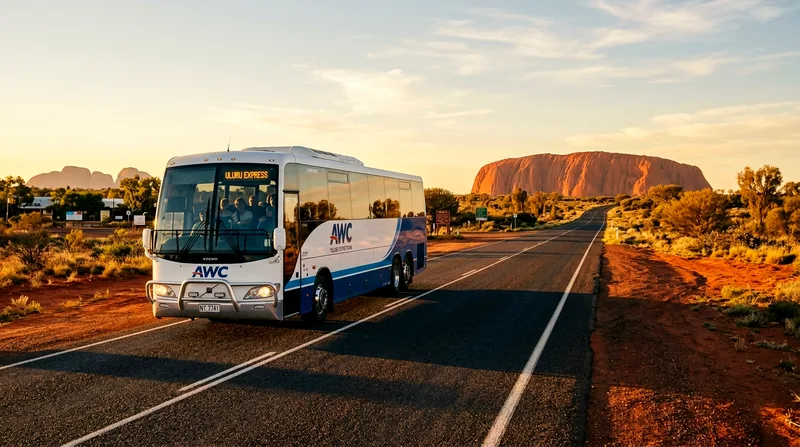
Guided tours — sunrise coach trips, Aboriginal-led cultural walks, Segway tours around the base, or multi-day Red Centre circuits taking in Kings Canyon — sit on top of the park pass and vary enormously by length and inclusions. A half-day base walk with a guide costs more than doing it yourself with a map, obviously, but a multi-day Uluru–Kings Canyon–Alice Springs package can actually work out cheaper per day than booking three separate day trips, because transport and accommodation get bundled. Always check whether the park entry pass is included in the tour price or billed separately — this is the single most common hidden extra.
There's no hidden Uluru discount pass or secret code that cuts your bill in half. The savings that actually work are structural: buy the right ticket length, travel in the right month, book ahead rather than at the gate, and fill your itinerary with the free stuff that's genuinely worth doing. None of this is glamorous advice, but it's the difference between a trip that costs what it should and one padded with avoidable extras.
A 3-day park pass is almost always better value than paying for single-day entry twice.
Uluru pass and ticket options compared for cost and flexibility
| Option | Typical Cost (AUD) | Validity | Best For |
|---|---|---|---|
| 3-day park pass | approx. $30-45 | 3 consecutive days | Most visitors, sunrise + sunset in one trip |
| Annual park pass | approx. $65-75 | 12 months | NT residents, repeat visitors only |
| Self-guided base walk | Pass cost only | Within pass dates | Budget travelers, fit walkers |
| Half-day guided tour | approx. $80-150 pp | Single session | First-time visitors wanting context |
| Multi-day Red Centre package | approx. $400-900 pp | 3-5 days | Combining Uluru, Kata Tjuta, Kings Canyon |
Figures are typical ranges and change with season and operator; confirm current prices when booking.
The 3-day park pass is the backbone of cheap Uluru tickets — it covers sunrise at Uluru, an afternoon at Kata Tjuta, and a sunset viewing without paying twice. If your itinerary includes Kings Canyon in Watarrka National Park, that's a separate reserve with its own entry arrangement, so don't assume one pass covers everything in the Red Centre. Tour operators sometimes bundle park entry, transport between Uluru and Kings Canyon, and a night's accommodation into one multi-day package — these bundles are usually the cheapest way to see all three if you're not driving yourself.
Peak season runs through the cooler months, roughly May to September, when daytime temperatures are pleasant and accommodation at Yulara fills up fast — rates climb accordingly. April and October, the shoulder months, give you warm but manageable days, thinner crowds at sunrise viewing areas, and noticeably better room availability. Summer (December-February) is the cheapest time to book accommodation, but daytime temperatures regularly exceed 40°C, and several walking trails close early or entirely on extreme heat days. If you're heat-tolerant and flexible, summer saves money; if not, shoulder season is the smarter trade-off.
Accommodation at Ayers Rock Resort operates like airline pricing — rooms get more expensive as dates fill, especially around school holidays and the cooler peak months. Booking three to six months ahead typically locks in noticeably lower rates than booking a few weeks out. The same logic applies to popular sunrise tours and camel or Segway experiences, which have limited daily capacity and sell out during peak season. Waiting for a last-minute deal at Uluru rarely pays off the way it might in a city with dozens of competing hotels — there simply aren't enough alternatives in Yulara to create that kind of price competition.
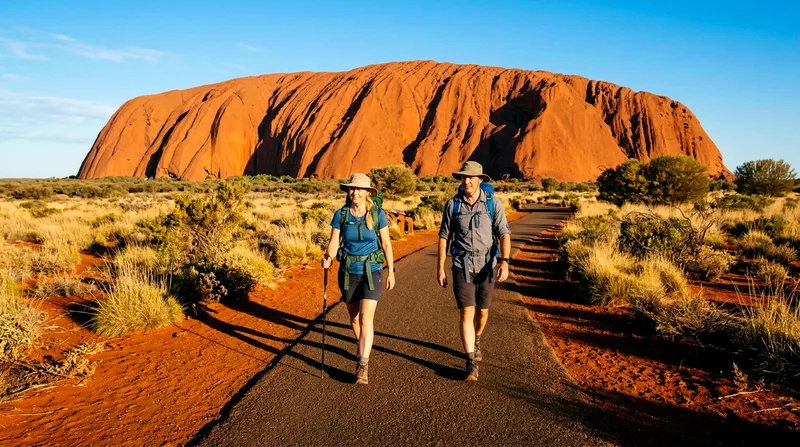
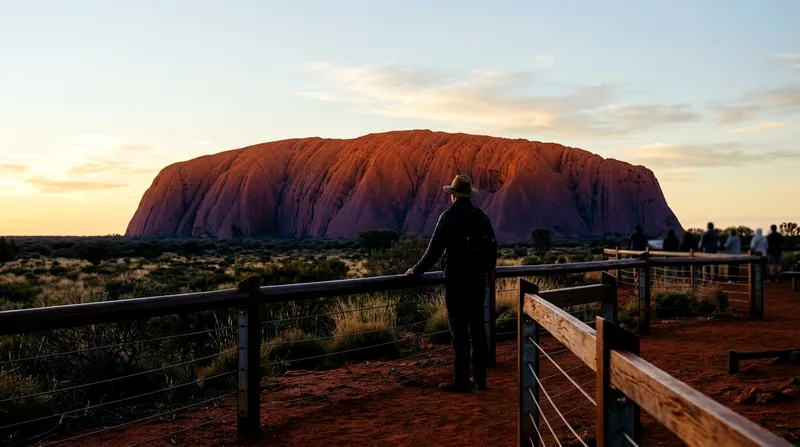
Once you've paid the park pass, several of the best experiences cost nothing extra. The Uluru base walk — a flat 10.6 km loop — is free to walk unguided and takes most people 3-4 hours. The Mala Walk and Kuniya Walk are shorter, interpretive sections of that same loop with signage explaining Anangu culture, and they're free too. At Kata Tjuta, the Valley of the Winds walk (7.4 km loop, 3-4 hours) and the shorter Walpa Gorge walk are both self-guided and included in your park pass — no extra charge, no booking required. The free Cultural Centre near the base has displays on Tjukurpa (traditional law) and Anangu history, and it's a smarter use of an hour than many paid add-ons.
Cutting corners at Uluru can backfire, and not just financially. There are two places where paying full price is the right call, and I'd actively discourage anyone from trying to save money there.
Skipping a guide to save $100 means missing most of what makes Uluru significant. The rock itself is sacred to the Anangu people, and climbing it has been banned since 2019 — a self-guided walk around the base tells you almost nothing about Tjukurpa, the stories, or why certain sites can't be photographed. A half-day tour with an Aboriginal guide, or a ranger-led walk through Parks Australia, costs more than going solo, but it's the difference between seeing a big red rock and understanding one of the oldest continuous cultures on earth. This is also where safety matters: heat exhaustion is the most common reason visitors need assistance in the park, and guides carry extra water, know the real-time trail closures, and pace the walk sensibly.
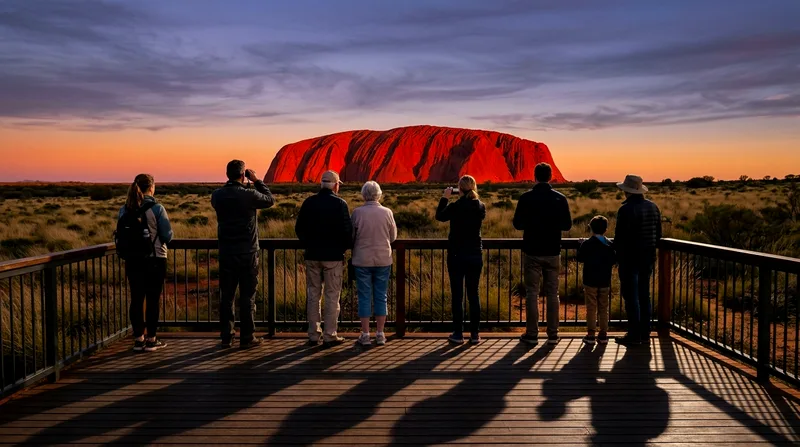
Don't book the cheapest possible viewing spot without checking what you're actually getting. The free public viewing areas for sunrise and sunset are perfectly good and cost nothing beyond park entry, but some budget tours cram large groups into less scenic car parks to save on permit fees. If you're paying for a sunset experience — especially one with a glass of wine or canapés — check it's at a designated platform with an unobstructed view, not a generic pull-off. This is one spot where paying a little more for a reputable operator, rather than the rock-bottom option, genuinely changes the experience.
Before you commit money to flights, accommodation, or tours, run through a short sequence. It stops you from buying things in the wrong order — the most common and expensive mistake with Uluru trip planning.
Start with dates, not bookings. Decide whether you're prioritising cooler weather (May-September, pricier) or lower accommodation costs (December-February, hotter). Next, buy the 3-day Parks Australia pass online rather than at the gate — it's the same price but saves queuing time. Then book Yulara accommodation three to six months out if traveling in shoulder or peak season; last-minute bookings in low season can still find reasonable rates. Decide early whether Kings Canyon and Alice Springs fit your trip — if so, a multi-day bundled package booked as one unit is usually cheaper than three separate bookings. Finally, reserve any capacity-limited experiences (sunrise coach tours, Segway, camel rides) as soon as your dates are fixed, since these sell out weeks ahead in peak months. Compare current Uluru tour and ticket prices before you book — rates shift by month, and the booking tool will show what's actually available for your dates.
Drive or join a budget coach transfer from Alice Springs, stay in a campground or budget room at Yulara rather than a resort-style room, buy the 3-day park pass once, and do the Uluru base walk and Kata Tjuta's Valley of the Winds walk unguided — both are included in the park pass with no extra fee. Skipping paid add-ons like Segway or camel tours cuts the biggest optional costs.
Yes. The 10.6 km Uluru base walk, the shorter Mala and Kuniya walks, Kata Tjuta's Valley of the Winds and Walpa Gorge walks, and the Cultural Centre are all free once you've paid the park entry pass. Sunrise and sunset viewing from the public platforms also cost nothing beyond that pass.
Shoulder months — April and October — balance decent weather with lower accommodation demand than the May-September peak. Summer (December-February) typically has the cheapest room rates, but extreme heat closes some trails by mid-morning, so factor that trade-off in rather than assuming lower price always means better value.
There's no "single entry" ticket at Uluru-Kata Tjuta National Park — the standard pass already covers three days and both Uluru and Kata Tjuta. The real saving comes from using all three days fully (sunrise one day, Kata Tjuta the next, sunset on your last) rather than buying a pass and only using it once.
Book Yulara accommodation and any capacity-limited tours (sunrise coaches, Segway, camel rides) three to six months ahead for peak season (May-September) or school holidays. In quieter months, booking four to six weeks out is usually fine and still secures reasonable rates.
Are Uluru tours worth it? Compare budget, mid-range and luxury options by cost, crowds, views and effort to find the best value for your trip.
9 min read · 9 Oct 2026
Plan your Uluru trip cost with a detailed budget breakdown covering flights, park passes, tours, and accommodation across budget, mid-range, and luxury tiers.
9 min read · 9 Oct 2026
Compare Uluru tour combo deals and bundle packages. See typical savings vs. booking separately, what's included, and how to pick the right bundle.
10 min read · 9 Oct 2026
Discover free things to do at Uluru: sunrise viewing, Cultural Centre entry, ranger talks and walking trails. Plan a budget-smart visit.
8 min read · 9 Oct 2026