Compare Uluru tour combo deals and bundle packages. See typical savings vs. booking separately, what's included, and how to pick the right bundle.
Who Should Book a Combo Tour
Uluru tour combo deals bundle several activities — typically a sunrise viewing, a base walk, a Kata Tjuta visit, and sometimes a cultural centre session or sunset dinner — into one booking, usually at a lower combined cost than purchasing each separately. The pitch is straightforward: one pickup, one guide relationship, one payment, and a discount versus piecing together four or five individual tours yourself.
That pitch doesn't suit everyone. If you've got a single afternoon at Uluru-Kata Tjuta National Park on a tight Red Centre itinerary, a combo built around multiple sunrises and a full-day Kata Tjuta add-on is wasted money — you'll pay for inclusions you physically can't use. Combos earn their keep when you've got two to four days in the area and intend to see most of the major sights anyway: Uluru at sunrise, the base walk, Kata Tjuta's Valley of the Winds, maybe a cultural experience with Aboriginal guides at the cultural centre.
I'd push back on the idea that combos are automatically the budget option. Some bundles pad out the itinerary with filler inclusions — a scenic drive, a second sunset at a different lookout — that exist mainly to justify the package price, not because they add much. Read the hour-by-hour itinerary before assuming more inclusions means more value.
Time-limited visitors
If you're flying into Ayers Rock Airport (Connellan) for a one- or two-night stay, a combo that stacks sunrise, base walk, and Kata Tjuta into a single compressed itinerary is genuinely useful — it removes the planning burden of sequencing separate bookings around narrow daylight windows. A typical two-day combo might run sunrise viewing and base walk on day one, then a half-day Kata Tjuta excursion with Valley of the Winds walk on day two. That's an efficient use of 36–48 hours. Where it falls down is flexibility: if weather or heat closes a walking track (common in summer when trails shut by mid-morning), you can't simply reschedule a single component without affecting the whole package.
Budget-conscious travelers
Combo pricing generally undercuts booking each tour individually by a modest margin — often in the range of 10-20% off the sum of standalone prices, though this varies by operator and season, so treat it as a rough guide rather than a guarantee. The saving comes from shared transport and guide time, not from a genuine discount on each activity. If you're traveling solo or as a couple and only want two activities (say, sunrise plus base walk, skipping Kata Tjuta), check whether a two-part combo exists before being upsold into a three- or four-day bundle that no longer saves you anything per activity.
Main Combo Categories Compared
Uluru combination tours fall into three broad categories, and they don't overlap as much as marketing pages suggest. Understanding the differences up front saves you from booking the wrong one and discovering the gap once you're in Alice Springs with no easy way to switch.
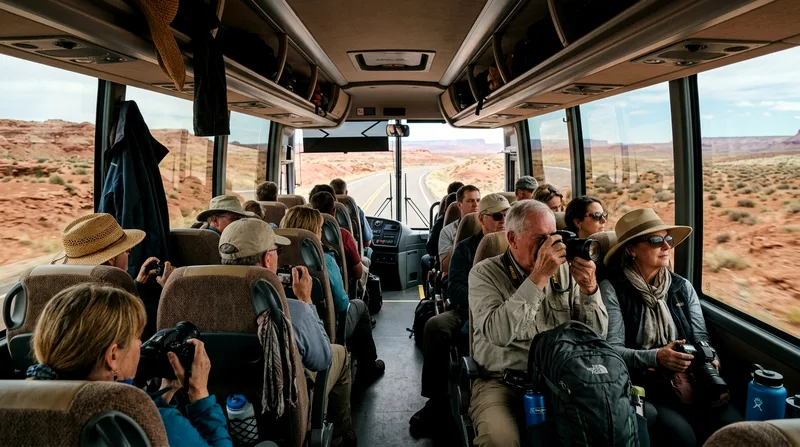
Sunrise-and-base-walk combos suit short stays, while multi-day cultural packages suit travelers with three or more days who also want Kata Tjuta and Aboriginal cultural content.
Uluru tour combo categories compared: duration, group size, and inclusions
| Combo Type | Typical Duration | Group Size | Core Inclusions | Best For |
|---|---|---|---|---|
| Sunrise & Base Walk | 4-6 hours | 15-25 (group) | Sunrise viewing, guided base walk section or full 10.6km loop | First-timers, short stays |
| Sunrise + Kata Tjuta Day | 1 day | 15-25 (group) | Sunrise, base walk, Valley of the Winds walk at Kata Tjuta | Couples, families with 1 day |
| Multi-Day Cultural Package | 2-4 days | 15-25 (group) | Uluru + Kata Tjuta, cultural centre visit, sunset dinner option | Travelers with 3+ days |
| Red Centre Extended Combo | 4-6 days | 15-25 (group) | Uluru, Kata Tjuta, Kings Canyon, sometimes Alice Springs transfer | Road-trippers, no rental car |
| Private Group Combo | 4 hours-4 days | 4-10 (private) | Customisable mix of above, flexible start times | Families, mobility needs, special requests |
Figures are typical industry ranges, not fixed prices; confirm exact group size caps and inclusions with the operator before booking.
Sunrise and base walk bundles
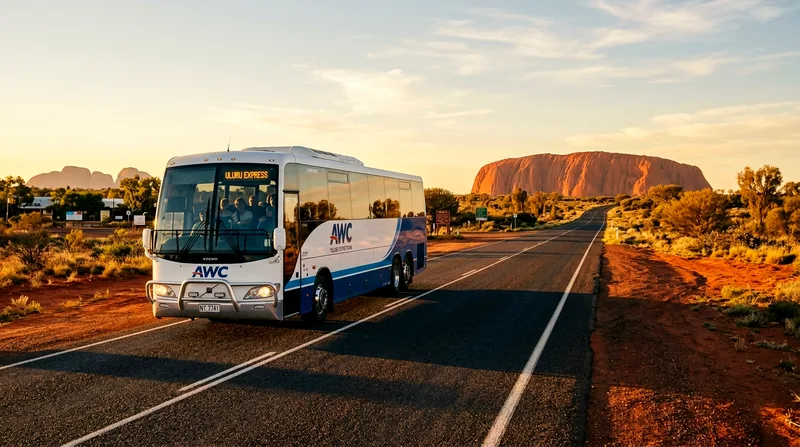
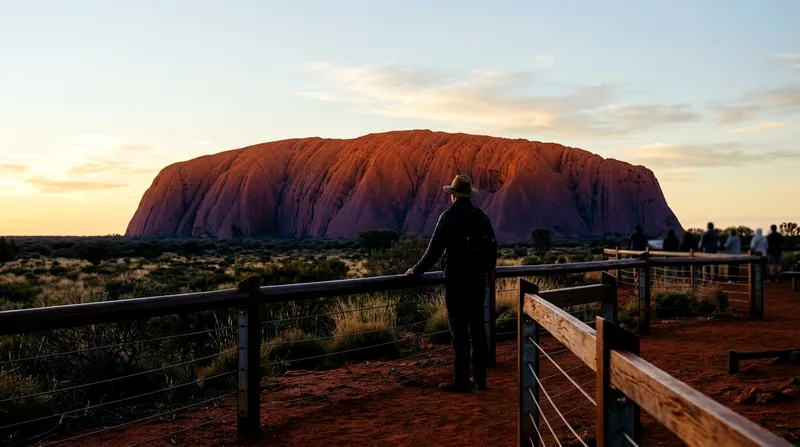
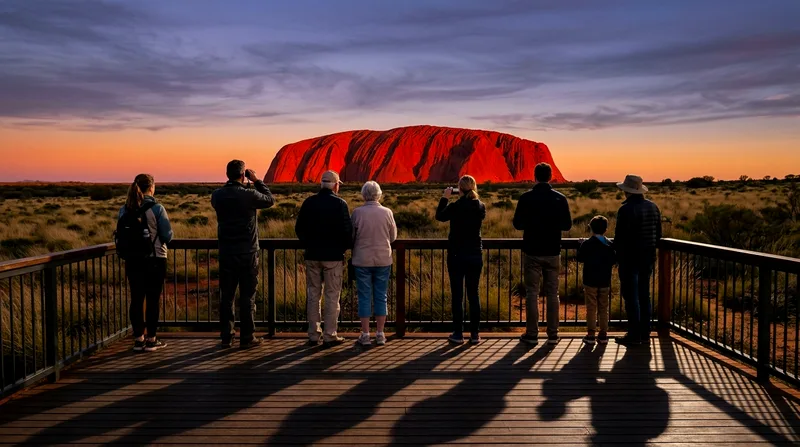
This is the entry-level combo and the one most first-time visitors book: a pre-dawn pickup, sunrise viewing from a dedicated platform, then a guided or self-paced walk along some or all of the 10.6 km Uluru base circuit. Duration is usually four to six hours door-to-door. It suits almost everyone — families with children old enough to walk 3-5 km, couples, solo travelers, seniors who want a shorter option (many operators offer a partial base walk rather than the full loop). The trade-off: these bundles rarely include Kata Tjuta, so if that's on your list, you'll need a second booking or a bigger package. I'd avoid any sunrise bundle that promises "Uluru base walk" without specifying distance — some only cover 1-2 km near the Mutitjulu Waterhole, not the full circuit.
Multi-day cultural packages
These run two to four days and typically combine Uluru sunrise/sunset viewing, the base walk, a half-day or full-day Kata Tjuta excursion, and a dedicated cultural segment — often a visit to the Uluru-Kata Tjuta Cultural Centre with input from Aboriginal guides on Anangu history and the significance of the rock to its traditional owners. Some extend further to include Kings Canyon or a Watarrka National Park rim walk, effectively becoming a Red Centre loop rather than an Uluru-only package. These suit travelers with three-plus days, especially those also weighing up whether to add Kings Canyon or the MacDonnell Ranges near Alice Springs to their trip. The downside is pacing — a four-day combo with early starts every morning is tiring, particularly for senior travelers or families with young kids, and there's often little room to simply rest at the resort.
Private vs. group combos
Group combos put you on a coach or 4WD with roughly 15-25 other travelers and run to a fixed schedule; private combos use a smaller vehicle (often capped at 4-10 people) with a flexible start time built around your preferences. Private packages cost noticeably more — frequently double or more per person — but you control pacing, can request a slower walk, and get more direct guide access, which matters if you want detailed questions answered rather than a scripted group talk. Families with very young children or travelers with mobility limitations often find private combos worth the premium. Large groups of friends or solo travelers on a budget are usually better served by standard group bundles — you'll meet other travelers, which is part of the appeal for solo visitors, and the saving compared to private combos is substantial.
What to Look for When Booking
The word "combo" gets applied loosely, so the inclusions list matters more than the category name. Two packages both labeled "Uluru highlights combo" can differ by a full day of content.
Inclusions and exclusions
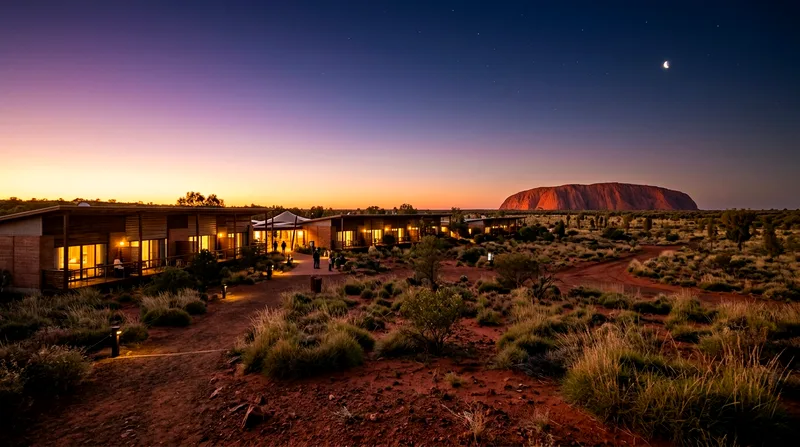
Check specifically whether the Uluru-Kata Tjuta National Park entry fee is included — it's a separate government charge (valid for three consecutive days) that some combos bundle in and others list as "additional, payable on arrival." Also confirm whether park entry even covers your full stay if you're combining it with a separate day pass purchase elsewhere. Meals are inconsistent across packages: some sunrise combos include a light breakfast or billy tea and damper; multi-day cultural packages sometimes include a sunset dinner with bush tucker elements, others just drop you at a viewing area with nothing provided. Transport between your accommodation and Ayers Rock Resort (Yulara) is almost always included, but transfers from Alice Springs (a 4.5-hour drive, roughly 450 km) usually are not and get sold as a separate add-on or a different package entirely.
Group size and cancellation policy
Ask for the maximum group size before booking, not just the category ("small group" can mean 12 or 24 depending on the operator). Smaller caps generally mean better guide access and easier photo opportunities at crowded viewing platforms. On cancellations, most group combos allow free cancellation up to 24-48 hours before departure, but weather-related cancellations (common during summer heat closures of the base walk) are handled inconsistently — some offer rebooking, others a partial credit only. Read this clause closely if you're traveling in December through February, when temperatures above 36°C regularly force trail closures by mid-morning.
When to Book Your Combo Deal
Timing affects both price and availability more than most travelers expect, particularly because Uluru's accommodation base (Yulara) is small and fills up around Australian school holidays.
Advance booking discounts
Booking four to eight weeks ahead typically gives you the best combination of price and choice — early enough to avoid sold-out sunrise slots, late enough to still catch early-bird pricing some operators apply. Booking combos less than a week out is risky during peak season (June through August, plus Easter and Christmas school holidays) because sunrise tours have hard capacity limits tied to viewing platform space. If you're flexible, booking two to three months ahead rarely saves much more than the six-week mark — the bigger jump in savings usually comes from avoiding peak season altogether, not from booking earlier within it.
Seasonal pricing patterns
Winter (June-August) is peak season at Uluru — cooler daytime temperatures around 20-23°C make walking comfortable, so demand and prices both rise. Shoulder months (April-May, September-October) offer a reasonable compromise: still walkable temperatures, somewhat lower combo pricing, smaller crowds at sunrise platforms. Summer (December-February) sees the steepest discounts on combo packages, but you're trading savings for genuine heat risk — daytime temperatures regularly exceed 38°C, and park rangers close walking tracks by 11am on the hottest days, which can gut the "base walk" component of your combo entirely. I wouldn't recommend chasing summer discounts unless your itinerary has flexibility to shift the walk to the very start of the morning.
Maximizing Your Savings
The honest way to judge an Uluru multi-tour discount is to price out each component separately first, then compare that total against the combo price. Skipping this step is how people end up overpaying for convenience.
Comparing per-activity costs
Look up standalone prices for a sunrise viewing tour, a guided base walk, and a Kata Tjuta half-day trip individually, add them up, and compare that figure to the advertised combo rate. In many cases the saving is real but modest — often in the 10-20% range mentioned earlier — rather than the dramatic "half price" framing some marketing implies. If a combo's savings look unusually large compared to that benchmark, check the itinerary closely: it may be offering shorter versions of each activity (a partial base walk instead of the full loop, a shared viewing platform instead of a premium one) rather than cutting the price on equivalent content.
Hidden fees and add-ons
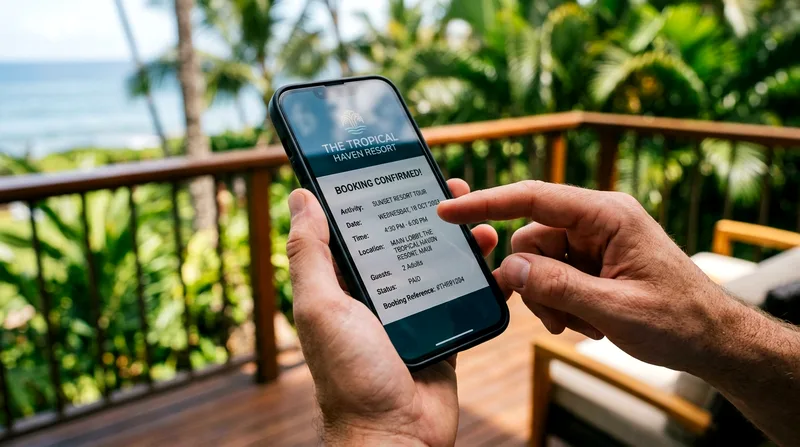
Watch for park entry fees billed separately, optional "premium viewing" upgrades at sunrise/sunset locations that cost extra on top of the base combo price, and gear rental (headlamps, walking poles) that some operators charge for rather than include. Dietary-specific meals on multi-day packages sometimes carry a surcharge too. None of these are dealbreakers, but they can turn an apparently cheaper combo into the pricier option once added up — always ask for an all-in total before comparing two packages against each other, and compare current prices and reviews for each combo option before you book.
Frequently asked questions
What's typically included in an Uluru combo tour?
Most combos include return transport from Yulara accommodation, a sunrise or sunset viewing session, and a guided base walk of some length. Multi-day packages add a Kata Tjuta excursion (usually the Valley of the Winds walk) and often a cultural centre visit with Aboriginal guides. National park entry fees, meals, and transfers from Alice Springs are inconsistently included — confirm each one individually rather than assuming they're bundled.
How much do you save booking a combo versus separate tours?
Savings typically fall in the 10-20% range compared to booking each activity individually, though this varies by operator and season. The saving comes from shared transport and guide costs, not a markdown on each component, so don't expect half-price deals — if you see one, check whether the activities have been shortened to match.
What's the difference between group and private combo deals?
Group combos run with roughly 15-25 travelers on a fixed schedule and cost less per person. Private combos cap at around 4-10 people, let you set your own start time, and typically cost double or more per person. Choose private if you have mobility needs, young children, or want unscripted time with your guide; choose group if budget matters more than flexibility.
How far in advance should I book a combo package?
Four to eight weeks ahead is the sweet spot for most travelers — early enough to secure sunrise slots (which have fixed platform capacity), late enough to catch early-bird pricing where offered. During peak season (June-August, school holidays), book at least six weeks out; last-minute bookings inside a week often find sunrise components sold out.
Are meals and accommodation included in combo packages?
Rarely, beyond light extras. Some sunrise combos include a basic breakfast or billy tea and damper; some multi-day cultural packages include one sunset dinner. Accommodation is almost never bundled — combos assume you're already staying at Yulara (Ayers Rock Resort) or arriving via a separate Alice Springs transfer, which is typically sold as its own add-on.