Are Uluru tours worth it? Compare budget, mid-range and luxury options by cost, crowds, views and effort to find the best value for your trip.
Uluru Tours at a Glance
Ask ten people if Uluru tours are worth it and you'll get ten different answers, because "Uluru tour" covers everything from a AUD 60 sunset minibus to a multi-day private fly-in package running well past AUD 2,000 per person. The honest answer: some are worth every dollar, some are overpriced convenience, and a few are genuinely bad value regardless of budget.
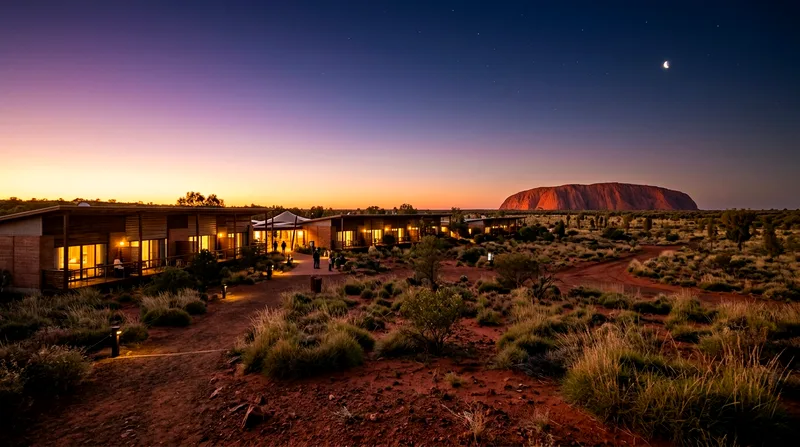
Nearly everyone flies into Ayers Rock Airport at Yulara, or drives the roughly 450 km from Alice Springs — a five-hour haul through flat scrub that's scenic for about the first hour. From Yulara, Uluru-Kata Tjuta National Park is a 20 to 30 minute shuttle or drive away. The park entry fee (around AUD 38 per adult, valid three days) is separate from any tour price, and almost no tour includes it in the headline figure — a common source of "surprise" costs travelers complain about afterward.
What separates a worthwhile tour from a wasted one usually isn't the price tag — it's whether it includes time at the right moment of day (sunrise or sunset, not midday glare) and whether there's an actual guide doing interpretation, not just driving.
Common tour types explained
Four tour formats dominate: sunrise or sunset viewing tours (2-4 hours, often combined with sparkling wine and canapés at the mid-range tier), base walks around Uluru (the full loop is 10.6 km, 3-4 hours, flat but shadeless), combined Uluru-Kata Tjuta day tours (8-10 hours covering both sites plus the Valley of the Winds walk), and multi-day packages bundling Kings Canyon or Alice Springs and the MacDonnell Ranges into a 3-5 day loop. Segway tours and camel tours around the base exist too, trading walking effort for a premium of roughly 30-50% over a standard walking tour. None of these formats is objectively "best" — a family with a six-year-old has different needs than a solo hiker who did Kings Canyon's Rim Walk the day before.
What's included and what isn't
Budget and mid-range tours typically include transport from Yulara accommodation, a guide, and sometimes light snacks or water. They almost never include the national park entry fee, meals beyond a snack, or hotel transfers from Alice Springs. Luxury tours usually fold in park fees, a proper breakfast or dinner, sometimes a Aboriginal-led cultural talk with bush tucker tasting, and private vehicle transport for 4-10 people instead of a 20-seat coach. Read the inclusions line by line before comparing prices — a AUD 90 tour and a AUD 150 tour can cover the exact same ground if the cheaper one just excludes the park pass you'd pay anyway.
Budget vs Mid-Range vs Luxury
The three-tier split at Uluru is sharper than at most destinations, mainly because there's one access point and one resort town controlling nearly all accommodation and tour departures — Yulara essentially functions as a monopoly village, which keeps prices higher across the board than you'd expect for a remote desert location.
Budget tours: what you get
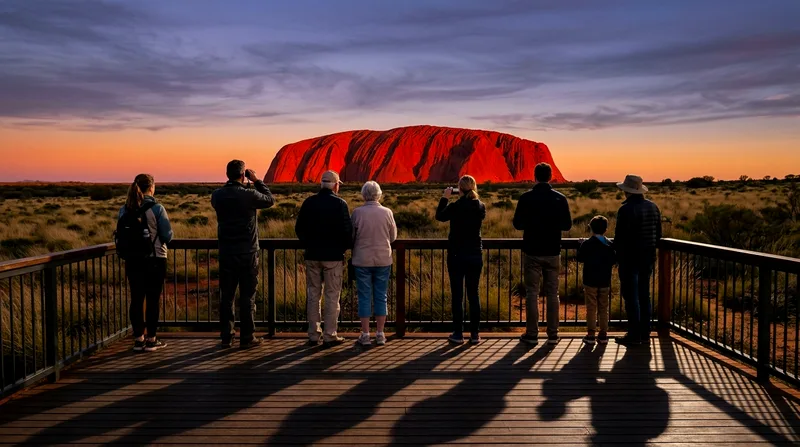
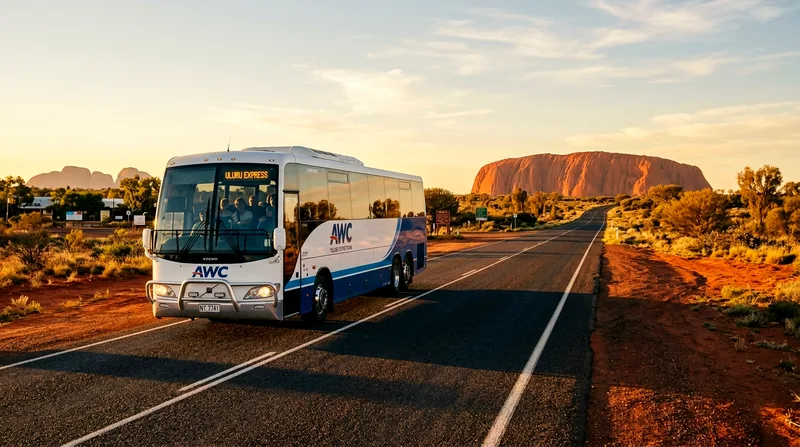
Budget sunrise or sunset tours run roughly AUD 50-90 per person and use large coaches (20-40 seats). You get transport, a viewing spot, and minimal commentary — sometimes just a driver pointing out facts over a microphone. Crowds are the real cost here: you'll be sharing the viewing platform with four or five other coachloads at the same popular sunset car park. If photography matters to you, arrive early even on a group tour and claim a spot at the platform's edge before the bus empties. I wouldn't recommend the cheapest hop-on base walks that skip a guide entirely — you can do that self-drive for less and read the interpretive signage yourself.
Mid-range tours: the sweet spot
Mid-range options, typically AUD 150-280 per person for a half or full day, use smaller vehicles (12-24 seats) and usually include a genuine guided walk — sometimes led by or developed with Aboriginal guides who explain Tjukurpa (creation stories) at specific sites around the base. This tier is where value peaks: you're paying for interpretation and smaller groups, not for champagne. The combined Uluru-Kata Tjuta day tour in this bracket is, in my view, the single best-value booking available here — you get both landmarks, a proper walk through the Valley of the Winds, and a guide who actually answers questions.
Luxury tours: premium experience
Luxury and private tours run from around AUD 400 up to AUD 2,000+ for multi-day packages, often including scenic flights, private dining under the stars, and vehicles capped at 4-10 guests. The comfort gain is real — no waiting on other travelers, flexible timing, better vantage points. But a lot of the premium goes toward exclusivity and presentation rather than deeper access to the rock itself; you're seeing the same Uluru as the budget coach passengers, just with a tablecloth. For couples or senior travelers prioritizing comfort over savings, it's defensible. For anyone comparing pure information-per-dollar, it's the weakest value tier.
Head-to-Head: Time, Cost, Effort, Views, Crowds
Numbers make this decision easier than vague marketing copy does. Below is how the three tiers — plus a DIY self-drive option, since many travelers do price that against guided tours — actually stack up.
Mid-range small-group tours offer the strongest balance of cost, access and interpretation among all Uluru tour options.
Uluru tour comparison by cost, group size, effort and crowds
| Tour Type | Price per person (AUD) | Typical Group Size | Physical Effort | Crowd Level | Best For |
|---|---|---|---|---|---|
| Budget coach tour | 50-90 | 20-40 | Low-moderate | High | Tight budgets, short stopovers |
| Mid-range small group | 150-280 | 12-24 | Moderate | Medium | Most travelers, best overall value |
| Luxury/private tour | 400-2,000+ | 2-10 | Low-moderate | Low | Couples, comfort-focused senior travelers |
| Self-drive (no tour) | ~38 (park pass only) | N/A | Variable | Variable | Confident independent drivers |
Figures are typical ranges; always check current prices and inclusions before booking, since fuel costs and season shift rates.
Duration and scheduling
Sunrise tours start absurdly early — pickup around 4:30-5:30am depending on season, since sunrise shifts roughly two hours across the year. Sunset tours are easier, departing mid-afternoon. Full combined Uluru-Kata Tjuta days run 8-10 hours door to door. Self-drive gives total flexibility but means navigating unfamiliar dirt-adjacent car parks before dawn, which some visitors — especially first-time European travelers unused to driving on the left — find more stressful than it's worth.
Price per person breakdown
Roughly: budget AUD 50-90, mid-range AUD 150-280, luxury AUD 400-2,000+, self-drive near-zero beyond the AUD 38 park pass and car rental. Always check current prices when booking, since fuel surcharges and seasonal demand (May-September peak) push rates up 15-20% over the quieter summer wet season.
Physical demands and accessibility
The full base walk is flat but 10.6 km with no shade — tough in summer heat exceeding 40°C. Mid-range and luxury tours often offer shorter sections (2-4 km) for those with mobility limits, and the Kata Tjuta Walpa Gorge walk (2.6 km return) is steeper with loose rock, unsuitable for wheelchairs. If accessibility is a concern, ask specifically about step-free viewing platforms — Yulara's main sunset viewing area is accessible, but some remote lookouts near Kings Canyon or the MacDonnell Ranges are not.
Quality of views and photo ops
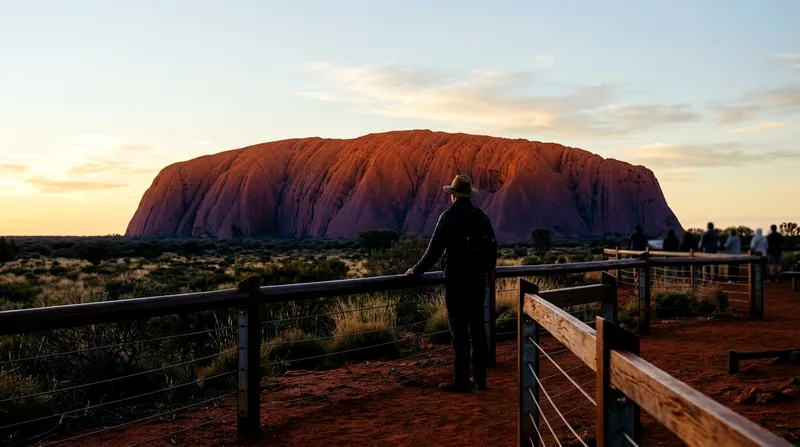
Every tier sees the same rock, but position matters more than price. Budget coaches park in designated zones that can be 100-200 meters from the prime viewing spot during peak season crowding. Private and luxury tours sometimes access slightly less crowded platforms or time arrival to beat the coaches by 15-20 minutes — a meaningful edge for photographers wanting a clean foreground.
Crowd levels and group size
Group size is the most underrated value factor. A 40-person coach means long waits for the bathroom, slow boarding, and a guide who can't take real questions. A 10-person van changes the entire feel of the walk. If crowds bother you more than cost, pay for the smaller group — it matters more than the luxury extras.
Who Should Pick Which Tour
There's no universal "best" Uluru tour — only the best one for your specific constraints of money, time, and physical capacity.
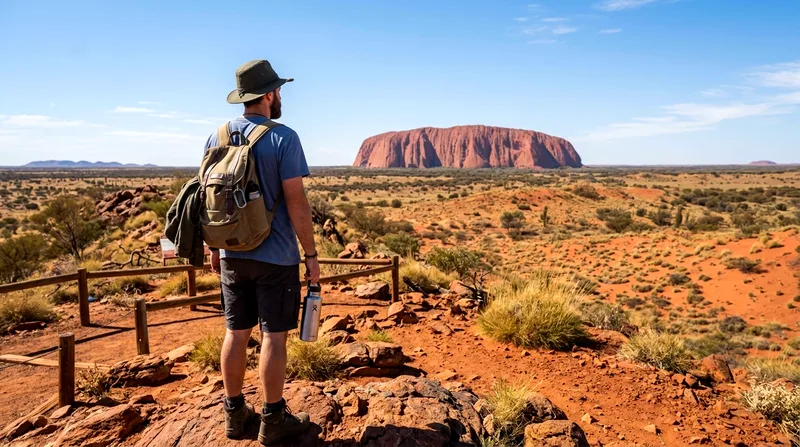
Best for budget travelers
If you're backpacking through Alice Springs and the Red Centre on a tight budget, a basic sunset coach tour (AUD 50-90) plus a self-guided daytime base walk covers the essentials without the premium markup. Skip the paid sunrise breakfast add-ons — a thermos of coffee from your hostel does the same job for a tenth of the cost. Budget travelers should still pay for the national park pass properly; rangers do check, and the fine for skipping it far exceeds the AUD 38 fee.
Best for comfort seekers
Senior travelers or anyone with mobility concerns should lean toward mid-range or luxury tours offering shorter walk segments and air-conditioned smaller vehicles. The extra AUD 100-150 over a budget coach buys real comfort: assigned seating, fewer early-morning scrambles, and guides accustomed to adjusting pace. Avoid tours advertising the full 10.6 km base walk as mandatory — ask the operator if a shorter loop option exists before booking.
Best for experience maximizers
If cultural depth matters more than convenience, prioritize tours explicitly featuring Aboriginal guides or developed with Anangu input over generic commentary. These tend to sit in the mid-to-upper mid-range (AUD 200-300) and deliver more insight per dollar than most luxury packages, which often spend the premium on catering rather than content. Pair it with a day trip to Kata Tjuta's Valley of the Winds rather than treating Uluru in isolation — the geological contrast between the two sites is part of what makes the park worth the flight out.
The Verdict: Best Value by Traveller Type
So, are Uluru tours worth it? Yes, for most people — but not any tour, and not at any price. The single worst-value booking is a luxury tour with no cultural walk component; you're paying top dollar for a view a budget coach gets you just as well. The best-value booking for most travelers is a mid-range combined Uluru-Kata Tjuta tour with a guided walk — typically AUD 150-280, including real interpretation and a smaller group.
Families with children under eight should weigh a shorter sunset tour over the full base walk — kids struggle with 10+ km of shadeless flat terrain, and a cranky four-year-old ruins sunset photos fast. Couples on a once-in-a-lifetime trip can justify the luxury tier if budget allows, particularly for a private sunrise with breakfast — the quiet and flexibility genuinely add something a coach can't. Solo travelers and world travelers stacking Uluru into a broader Australia itinerary (Darwin, Kakadu, Coober Pedy) generally get the best cost-per-experience from mid-range group tours, since you'll meet other travelers and split nothing extra. Senior travelers should prioritize vehicle comfort and shorter walks over price savings — the AUD 100 difference matters less than arriving unexhausted.
Frequently asked questions
Are Uluru tours worth the price?
Mid-range tours (AUD 150-280) generally are, because they include a guided walk and smaller groups that genuinely improve the experience. Budget coach tours are worth it only for sunrise/sunset viewing, not for deep interpretation. Luxury tours above AUD 400 are worth it mainly for comfort and privacy, not extra access to the rock itself.
What's the difference between budget and luxury Uluru tours?
Budget tours use large coaches (20-40 people), minimal commentary, and exclude park fees and meals. Luxury tours use small private vehicles (2-10 people), often include the park pass, proper meals, and sometimes scenic flights or private dining, at three to ten times the price for the same core views.
How long does a typical Uluru tour take?
Sunrise or sunset-only tours run 2-4 hours. A combined Uluru and Kata Tjuta day tour runs 8-10 hours including the Valley of the Winds walk. Multi-day packages extending to Kings Canyon or Alice Springs run 3-5 days.
Which Uluru tour is best for photography?
Smaller-group mid-range or luxury tours that arrive 15-20 minutes before the main coach crowds give cleaner, less obstructed shots. Sunrise tours generally produce better color than sunset for the rock's eastern viewing platforms, though sunset is more popular and more crowded.
Do I need to be fit to do an Uluru tour?
No — the full base walk (10.6 km) is flat, and most tours offer shorter 2-4 km sections. Kata Tjuta's Walpa Gorge walk is steeper and less accessible. Heat is the bigger factor than fitness; avoid midday walking in summer when temperatures exceed 40°C.