Plan your Uluru trip cost with a detailed budget breakdown covering flights, park passes, tours, and accommodation across budget, mid-range, and luxury tiers.
How Much Does a Trip to Uluru Really Cost?
Understanding the full Uluru trip cost means looking past the headline flight price and into what actually adds up once you land. Uluru sits in a remote part of the Northern Territory, and the nearest settlement — Yulara, a purpose-built resort town — controls almost all accommodation and dining near the rock. That lack of competition shapes your budget more than anything else.
A realistic three-day trip, door to door from a major Australian city, runs somewhere between AUD 800 for a bare-bones solo traveler camping and self-catering, up to AUD 3,500 or more per person for a couple staying in a well-appointed room with guided tours included. Families and senior travelers wanting comfort and minimal logistics should expect the middle to upper end. European and other international visitors need to add long-haul flights to Australia plus the domestic leg, which changes the calculation considerably. Below, I'll break down each cost category — flights, park entry, accommodation, tours, food — then stack them into three practical budget tiers so you can see where your money actually goes.
Flights to Uluru
There's no way around it: flying is almost always the biggest line item in any Uluru trip cost calculation, and it's also the most variable. Ayers Rock Airport (code AYQ) sits right next to Yulara, so once you land, you're a 10-minute shuttle from your accommodation. That convenience comes at a price — domestic flights here are not cheap, because only a couple of airlines service the route and demand spikes hard around school holidays.
I'd avoid assuming you can fly in from any state capital for the same price. Sydney and Melbourne routes are typically pricier than Alice Springs connections, simply due to distance and lower frequency. If your itinerary includes Alice Springs anyway — many travelers combine it with the MacDonnell Ranges — flying into Alice Springs and driving the roughly 450km (around 5 hours) to Yulara can sometimes work out cheaper than a direct flight, though you'll need to factor in a rental car and fuel.
Domestic flights from major cities
Return domestic flights to Ayers Rock Airport from Sydney, Melbourne, or Brisbane typically range from AUD 350 to AUD 900, depending on season and how far ahead you book. Flights from Alice Springs are shorter and generally cheaper, often AUD 150 to AUD 350 return, which makes the Alice Springs–Uluru combination appealing if you're already exploring the Red Centre. Darwin connections exist too, usually routed via Alice Springs, and work well if you're pairing Uluru with a Kakadu National Park trip further north — though that adds a full extra day of travel either way.
Booking strategies and timing
Book at least 8–10 weeks ahead if you're traveling during the cooler months (May to September), which is peak season because daytime temperatures are manageable for walking. Prices climb noticeably around Australian school holidays — early July and late September are the worst times to book late. If your dates are flexible, shoulder months like April or October often land you 20–30% cheaper fares and still offer reasonable weather, though midday heat starts becoming a factor by October.
Uluru National Park Entry
Every visitor needs a park pass to enter Uluru-Kata Tjuta National Park, and this is one of the more predictable costs in your budget — no surge pricing, no seasonal markup. The pass covers access to both Uluru and Kata Tjuta (The Olgas), which sit about 40km apart inside the same park boundary, so you don't pay twice to see both.
3-day pass pricing
The standard 3-day pass costs around AUD 38 for adults, with children under 18 entering free. This is genuinely good value compared to national park fees in many other countries — three days is enough time to do the Uluru base walk, visit Kata Tjuta's Valley of the Winds, and catch both a sunrise and sunset viewing without feeling rushed. If you need longer, annual passes are available for around AUD 65, which make sense if you're combining Uluru with a longer Northern Territory road trip that loops back through.
What's included in park access
The pass gets you into the park and its official viewing areas, walking tracks, and the Uluru-Kata Tjuta Cultural Centre, which is worth the stop and costs nothing extra. It does not include guided tours, the Field of Light installation (a separate paid experience), or transport — you still need your own vehicle or a booked tour to actually get around once inside. Don't assume the park pass is an all-access ticket; it's strictly entry, nothing more.
Accommodation Options
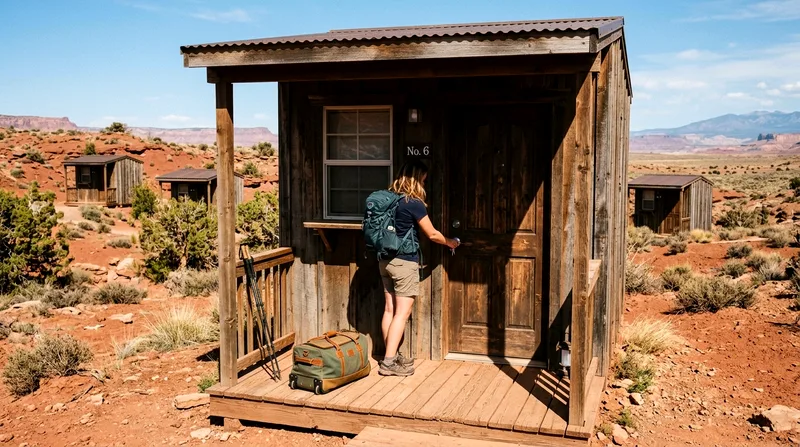
This is where Uluru accommodation cost surprises most first-time visitors. Yulara is the only place to stay near the rock — there's no scattered network of guesthouses or budget hostels outside it, unlike somewhere like Alice Springs or Coober Pedy, which both have more varied, competitively priced lodging. Because one company effectively manages all the accommodation in Yulara, prices sit higher than you'd expect for the room quality, especially at the budget end.
Accommodation is the single biggest variable in your Uluru trip cost, ranging from AUD 45 campsites to AUD 1,500+ luxury rooms per night.
Uluru accommodation cost compared across budget tiers
| Accommodation Type | Price per night (AUD) | Best for | Distance to park entry |
|---|---|---|---|
| Yulara campground | 45–55 | Budget travelers, families with gear | Approx. 20 min drive |
| Yulara shared dorm | 45–60 per person | Solo travelers, backpackers | Approx. 20 min drive |
| Yulara mid-range hotel | 250–450 | Couples, families wanting comfort | Approx. 20 min drive |
| Yulara luxury resort | 700–1,500+ | Couples, honeymooners, special occasions | Approx. 20 min drive |
| Alice Springs hotel (day-trip base) | 150–220 | Budget-conscious travelers combining destinations | Approx. 5 hr drive |
Prices are typical ranges and fluctuate with season and demand; check current rates before booking.
Budget lodging near Uluru
The campground at Yulara offers powered and unpowered sites from roughly AUD 45–55 per night for two people, and dorm beds in shared lodges run about AUD 45–60 per person. It's basic but clean, and the campground has a pool, which is genuinely useful after a hot day of walking. If you're traveling solo or as a couple on a tight budget, this is realistically your only low-cost option within the park area — there's nothing cheaper closer than Alice Springs, a 5-hour drive away.
Mid-range and luxury stays
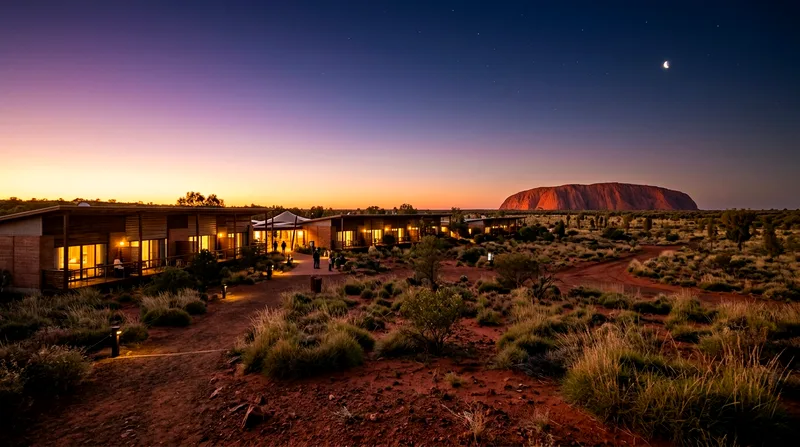
Mid-range hotel rooms in Yulara typically cost AUD 250–450 per night, offering private bathrooms, air conditioning, and often a pool. Luxury properties — including rooms with direct Uluru views — run AUD 700 to over AUD 1,500 per night in peak season. Compare that to Alice Springs, where a comparable mid-range room might cost AUD 150–220, and you can see why some travelers choose to base themselves there and day-trip, accepting the long drive as a trade-off for lower accommodation costs.
Tours and Activities
Uluru tour prices vary enormously depending on whether you want a basic shuttle-and-guide package or a full multi-day Red Centre circuit. Because the park prohibits climbing Uluru (the climb was permanently closed in 2019 out of respect for Anangu traditional owners), the main paid experiences now center on guided walks, cultural tours, sunrise/sunset viewing, and add-ons like the Field of Light art installation.
Guided sunrise and sunset tours
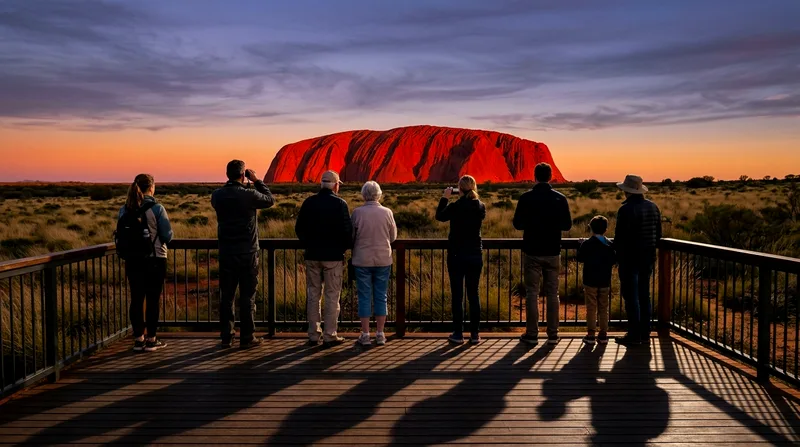
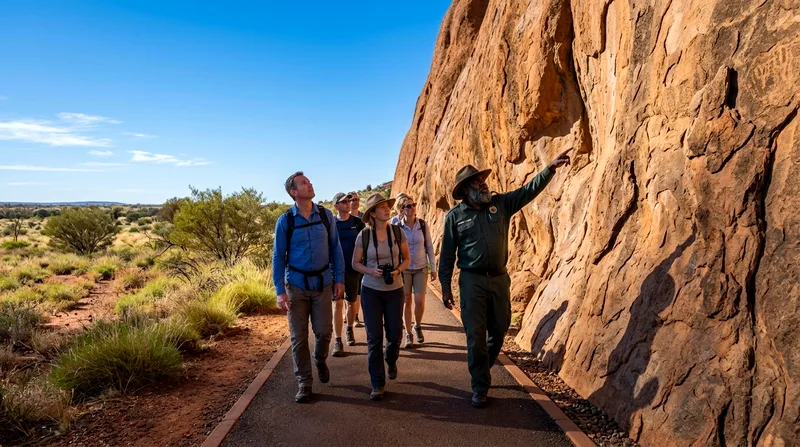
A half-day guided sunrise or sunset tour, often including a short base walk and light refreshments, typically costs AUD 80–150 per person. Full-day tours combining Uluru and Kata Tjuta, with a guide explaining Anangu culture and the geology, usually run AUD 180–280. These are worth it if you want context — the base walk alone, done without a guide, won't tell you much about the rock's cultural significance, and the Cultural Centre only covers so much.
Self-drive and optional experiences
If you rent a car — roughly AUD 60–100 per day from Ayers Rock Airport — you can skip guided transport entirely and do the Uluru base walk (10.6km, about 3.5 hours) and Kata Tjuta's Valley of the Winds walk (7.4km, about 3–4 hours) on your own schedule, paying only the park entry fee. The Field of Light installation costs roughly AUD 45–50 extra per person for evening access. I'd skip the camel tours unless you specifically want that novelty — they're expensive (around AUD 130–160) for a short, slow ride that doesn't add much over a walk or scenic drive.
Food and Dining Costs
Food is the quiet budget-killer at Uluru. Because Yulara is isolated and everything is trucked in, restaurant and café prices run noticeably higher than in Alice Springs or Darwin. This is one area where self-catering makes a real difference to your total Uluru trip cost.
On-site dining and cafes
Expect to pay AUD 20–25 for a casual lunch, AUD 35–60 for a mid-range dinner, and upwards of AUD 100 per person for the fine-dining "dinner under the stars" style experiences that some resorts offer. A basic coffee and pastry at a Yulara café runs AUD 10–15, which is steep compared to Alice Springs prices. These experiences can be worthwhile once — a bush-tucker-inspired dinner with Uluru visible in the distance is genuinely memorable — but doing it nightly will blow out a mid-range budget fast.
Picnic and self-catering options
There's a supermarket in Yulara where a few days of groceries for self-catering typically costs AUD 15–25 per person per day — still pricier than a city supermarket, but far cheaper than eating out for every meal. If you're driving in from Alice Springs, stock up there first; prices are noticeably lower and the selection is better. Campground kitchens and some lodge rooms have basic cooking facilities, so bringing a cooler and doing your own breakfasts and lunches, saving restaurant budget for one or two dinners, is the most effective way to cut costs without sacrificing the experience.
Budget Breakdown by Tier
Putting it all together for a typical three-day, two-night trip helps answer the real question: how much should you actually set aside? These figures are per person, assuming travel from a major Australian city, and exclude international airfare to Australia itself.
Budget traveler estimate
A frugal solo traveler camping at Yulara, self-catering most meals, renting a car with others to split costs, and skipping guided tours in favor of independent walks can realistically spend AUD 750–950 for three days. That covers a domestic flight (around AUD 400), campground fees (around AUD 100), park pass (AUD 38), groceries (around AUD 60), and a shared rental car contribution (around AUD 100–150).
Mid-range and luxury totals
A mid-range couple staying in a comfortable Yulara hotel room, booking one guided sunset tour, eating out for dinners, and renting a car, should budget around AUD 1,800–2,400 per person for three days. Luxury travelers — premium rooms, private guided experiences, the Field of Light, and fine dining — can expect AUD 3,000–4,000+ per person. Seniors and families prioritizing comfort and fewer logistics typically land in the mid-range to luxury bracket, since the extra cost buys back the hassle of self-driving and cooking in a remote location.
Frequently asked questions
How much does a 3-day Uluru trip cost?
For one person, a budget three-day trip costs roughly AUD 750–950 including flights, camping, a park pass, and self-catering. Mid-range travelers should expect AUD 1,800–2,400 per person, while luxury trips with premium accommodation and private tours can exceed AUD 3,500. The biggest swing factor is accommodation choice, followed by flight timing.
What is the cheapest way to visit Uluru?
Fly into Alice Springs instead of Ayers Rock Airport when fares are cheaper, rent a car with travel companions to split the cost, camp at the Yulara campground, and self-cater using groceries bought in Alice Springs before the drive. Skip guided tours and do the Uluru base walk and Kata Tjuta's Valley of the Winds independently using only the AUD 38 park pass.
Are there hidden costs when visiting Uluru?
Yes — airport shuttle transfers in Yulara, resort fees at some hotels, paid parking at a few viewing areas during peak times, and the Field of Light installation (around AUD 45–50) catch people off guard. Fuel is also pricier than the national average since everything is trucked into this remote part of the Northern Territory, so budget extra if you're self-driving from Alice Springs.
How much should I budget for food at Uluru?
Plan for AUD 50–80 per person per day if you're eating out for most meals, or AUD 15–25 per day if you self-cater using the Yulara supermarket. A realistic middle ground — self-catering breakfast and lunch, eating out once for dinner — runs about AUD 35–45 per person per day.
Do I need a car to visit Uluru?
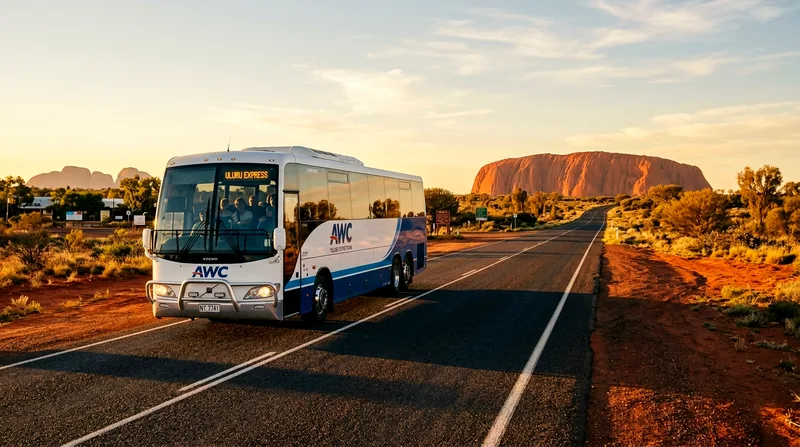
Not strictly — shuttle services and guided tours connect Yulara accommodation to the park and major viewing points. But a rental car, typically AUD 60–100 per day, gives you flexibility for sunrise and sunset timing and lets you skip paying for multiple separate tours. If you're also visiting Kings Canyon or Kata Tjuta independently, a car is worth the cost.