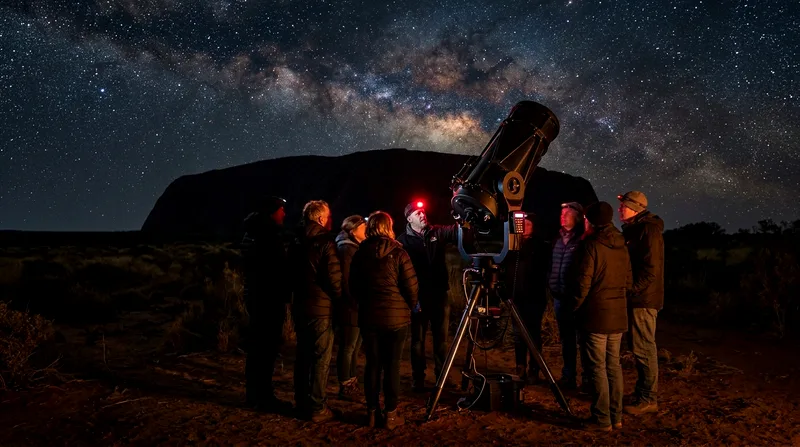
Uluru Stargazing Tours: Guide & Booking
Plan a Uluru stargazing tour: compare telescope and Aboriginal astronomy experiences, best seasons, prices and booking tips for couples and families.
8 min read · 9 Oct 2026
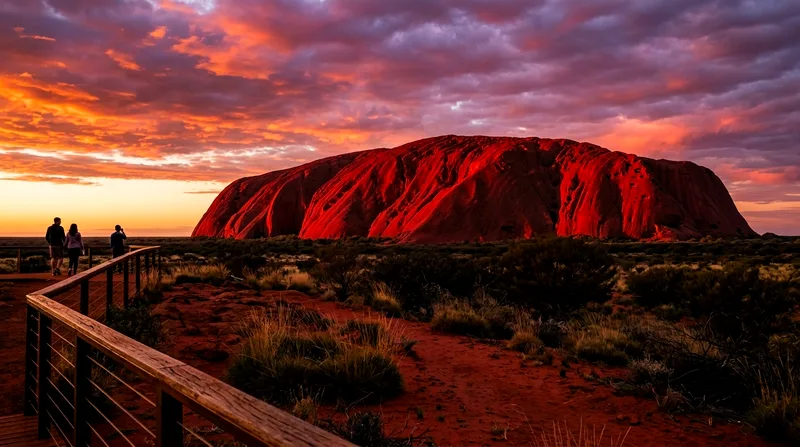
Tours & activities
Compare Uluru sunrise and sunset tour options: free viewing platforms, camel rides, dining experiences, and photography tours for every budget.
An Uluru sunrise sunset tour isn't one product — it's a category covering everything from a free spot on a viewing platform to a white-tablecloth dinner under the stars. The right choice depends less on how much you want to spend and more on how you want to experience the color change. Some travelers want silence and a camera; others want a glass of sparkling wine and canapés while a guide explains Tjukurpa (Anangu creation stories) in the background.
Families with young children generally do better with shorter, simpler sunrise viewings rather than long dining experiences that run past bedtime. Senior travelers often prefer the dining and coach tours because they include transport, seating, and a toilet stop — no standing around on uneven ground for an hour. Solo travelers and backpackers can go it alone with a rental car or shuttle and skip the tour entirely, which is the cheapest route by a wide margin.
Couples celebrating an anniversary or honeymoon are the obvious audience for the premium dinner-under-the-stars style experience — it's priced well above a standard group tour, but it's also the only format that pairs the sunset with a sit-down meal and table service. If that's not your style, you're not missing anything essential; the rock doesn't look different from a tablecloth.
If cost is the deciding factor, skip guided tours altogether and drive or shuttle yourself to one of the free viewing areas inside Uluru-Kata Tjuta National Park — the Talinguru Nyakunytjaku viewing area for sunrise and the designated sunset viewing car park near the western side of the rock. Both are included in the standard national park entry fee, which runs roughly AUD 38 per adult for a three-day pass, valid for sunrise and sunset viewing as many times as you like within that window. A rental car from Alice Springs (about a 4.5-hour drive) or Yulara is the only extra cost. The trade-off: no commentary, no transport logistics handled for you, and you're on your own for timing and parking.
Photographers should prioritize tours or self-drive plans that get them to Talinguru Nyakunytjaku at least 30-40 minutes before official sunrise — the color shift starts well before the sun clears the horizon, and the best shots often happen in that pre-dawn window, not at the moment everyone else packs up. A small-group or photography-focused tour (typically 4-10 people) gives you more flexibility to move between vantage points than a 40-seat coach. Families with children under about seven are usually happier with a shorter sunset viewing paired with dinner back at the resort, rather than a pre-dawn 5 AM pickup that nobody enjoys on four hours' sleep.
Broadly, Uluru sunrise and sunset tours split into four categories: free/independent viewing, group coach tours, small-group or private tours, and premium dining or camel experiences. Each has a distinct rhythm and price tier, and conflating them is how people end up disappointed — booking a basic coach tour expecting a private photography session, for instance, or booking a camel ride expecting it to double as a proper dinner.
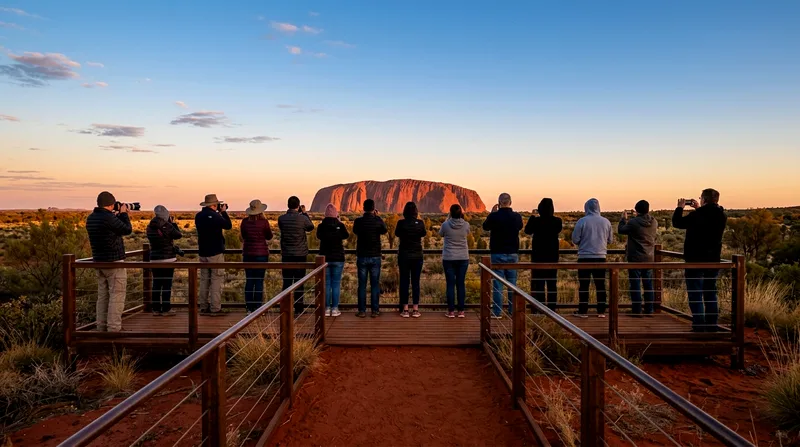
Group coach tours are the backbone of Uluru sunset-viewing commerce. They're run from Yulara (the resort town servicing Ayers Rock) and typically include return transport, a guide's commentary, and sometimes a simple snack or sparkling wine. Group sizes can run from 20 to 40 people, so don't expect intimacy — but you also don't have to drive in the dark or find parking.
Camel ride sunset and sunrise experiences are their own niche: you view the color change from camel-back on a trail near the dunes, with Uluru and often Kata Tjuta visible in the distance. These run shorter, usually 60-90 minutes including the ride itself, and suit travelers who want something more memorable than standing at a railing — though people with back problems or a fear of large animals should skip it.
Group coach tours are the cheapest guided option, while camel rides and dining experiences cost more because they add an activity or meal, not a better view.
Uluru sunrise and sunset tour categories compared by group size, inclusions, and cost
| Tour Category | Typical Group Size | Duration | What's Included | Cost Tier | Best For |
|---|---|---|---|---|---|
| Free/independent viewing | N/A (self-drive) | 1-1.5 hrs | Park entry only | Lowest (park fee only) | Budget travelers, solo travelers |
| Group coach tour | 20-40 people | 1.5-2 hrs | Transport, guide commentary, light snack | Low-Mid | First-timers, seniors |
| Small-group/private tour | 4-12 people | 2-4 hrs | Transport, guide, often a walk included | Mid-High | Photographers, couples |
| Camel ride experience | 6-15 riders | 1-1.5 hrs (incl. ride) | Camel ride, transfer, sometimes drinks | Mid-High | Families, novelty seekers |
| Dining/premium experience | 20-60 people (seated) | 3-4 hrs | Seated dinner, drinks, transport, guide | Highest | Couples, special occasions |
Typical figures based on standard Uluru-Kata Tjuta National Park tour formats; group sizes, durations, and inclusions vary by operator, so check current details before booking.
These are the default option booked by most first-time visitors, and for good reason — they solve the two biggest headaches of independent viewing: transport and timing. A typical coach sunset tour includes hotel pickup from Yulara accommodation, a stop at the viewing area with enough time to set up a tripod, and a guide who'll point out Kata Tjuta on the horizon and explain basic cultural context. Expect to pay a mid-range price, generally less than a private tour and more than doing it yourself. The downside: you're on the bus's schedule, and with 30+ people on board, photographing without strangers wandering into frame takes patience.
Small-group tours (typically capped at 8-12 travelers) or fully private tours cost noticeably more but give you control over positioning, timing, and pace — valuable if you're serious about photography or traveling with an Aboriginal-owned operator offering a more in-depth cultural walk alongside the viewing. Some small-group tours combine sunrise viewing with a base walk around Uluru afterward, which stretches the morning to 3-4 hours total rather than the 60-90 minutes typical of coach tours. Worth it if you want depth; overkill if you just want the photo and breakfast back at the hotel.
Read the inclusions line by line before comparing prices — "sunset viewing tour" can mean a bus ride with a 20-minute stop, or it can mean transport plus canapés plus a guide staying with you for ninety minutes. The words to watch for are "seated dinner" versus "light refreshments," and "small group" versus unspecified group size. If a listing doesn't state the group size, assume it's a full coach.
Check whether National Park entry is included in the tour price or charged separately — many operators list a lower headline price, then add the roughly AUD 38 park pass fee at checkout. That's not a scam, but it catches people comparing prices who didn't read the fine print.
For sunset tours specifically, ask whether the stated price includes the national park fee, bottled water, a snack or substantial food, and hotel pickup versus a meeting point. For camel experiences, confirm the ride duration versus total experience time — a "90-minute sunset camel experience" might include only 20 minutes actually on camel-back, with the rest spent waiting and transferring. None of this is unreasonable, but you should know it going in rather than assume.
Weather in the Red Centre is usually reliable and clear, but dust storms, rare rain, or extreme heat advisories (over 40°C, more common December-February) can disrupt tours. Most reputable operators offer a reschedule or credit if the tour is cancelled for weather, rather than a full refund — read this policy before paying, especially if you're only in the area for one night. Cloud cover doesn't guarantee cancellation; a tour will usually still run even if the "iconic" color change is muted, so manage expectations rather than assuming a refund is automatic.
Sunrise and sunset times shift meaningfully across the year — sunrise can be as early as around 5:30 AM in the Southern Hemisphere summer (December-January) and closer to 7 AM in winter (June-July), with sunset moving correspondingly. This matters for booking because pickup times shift with the seasons; a tour booked assuming a 6 AM departure in July will actually run closer to 7:15 AM.
Peak season for Uluru runs roughly May through September, when daytime temperatures are milder (highs in the low 20s°C) and most European and world travelers schedule their Red Centre trip alongside Alice Springs, Kings Canyon, and the MacDonnell Ranges. Tours sell out further ahead in this window, particularly dining experiences and camel rides, which have hard capacity limits.
Book sunrise and sunset tours at least 2-3 days ahead during shoulder seasons (April, October), and a week or more ahead during peak winter months if you want a specific dining or camel slot. Summer (December-February) sees lower demand because of the heat, so you can often book with 24-48 hours' notice — but check that an early-morning tour isn't cancelled due to extreme heat warnings, which does happen. If your itinerary also includes Kings Canyon or Kata Tjuta's Valley of the Winds walk, book those for the cooler mid-morning or late-afternoon slots and keep sunrise/sunset windows reserved for Uluru itself.
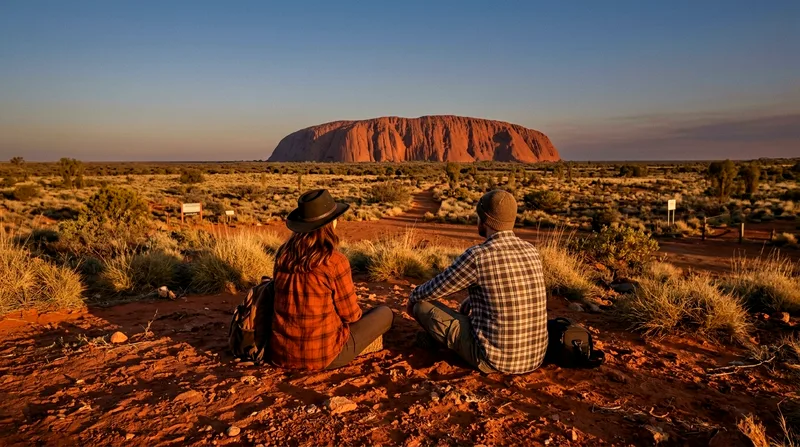
The honest truth: the color change itself — the shift from ochre to deep red to purple-grey — is visible for free to anyone inside the national park with a standard entry ticket. Paid tours add convenience, transport, commentary, food, or a novelty element like a camel. They don't add a better sunset.
Talinguru Nyakunytjaku is the main sunrise viewing area, a short drive from Yulara with multiple elevated platforms and paved paths so you can spread out from the crowds. For sunset, the designated car park on the western side of Uluru is the equivalent free option. Both require your own transport (rental car, or the resort shuttle where available) and your park entry pass, which covers three consecutive days. Arrive 30-45 minutes early in peak season — parking fills up, and latecomers end up walking further than planned.
Paid experiences layer value on top of the free view: a seated outdoor dinner facing Uluru with multi-course food and wine; a camel ride sunset experience through the dunes; or a guided tour where an Aboriginal guide shares Tjukurpa stories you wouldn't get standing alone at a railing. These are worth booking if the add-on itself appeals to you — not because the sunset is somehow better from a reserved seat. Compare current prices and reviews before you book, since availability and seasonal offerings shift throughout the year.
Aim for the 15-20 minutes before official sunrise or after official sunset — the sky and rock color often peak just outside the exact listed time. Winter (June-August) gives later sunrises (around 7 AM) and earlier sunsets, which suits travelers who don't want a 5 AM wake-up. Summer offers warmer evenings for dining experiences but much earlier starts for sunrise viewing.
You can watch for free with a standard Uluru-Kata Tjuta National Park entry pass (around AUD 38 for three days), using the Talinguru Nyakunytjaku platform for sunrise and the western car park for sunset. You only need a tour if you want transport handled, commentary, a meal, or a camel ride — the view itself isn't exclusive to paid tours.
Bring layers — early mornings can be near freezing in winter (June-August) even though afternoons warm up fast — plus water, insect repellent, and a torch or phone light for walking back to the car park in the dark after sunset. A tripod helps for photography but check your tour allows the extra setup time if you're in a group.
Yes, camel experiences typically run at both ends of the day, though sunset camel rides are more commonly booked and sell out faster in peak season (May-September). Expect the camel portion itself to last 20-30 minutes within a longer 60-90 minute overall experience including transfer and setup.
Most operators reschedule you to another sunrise or sunset slot, or issue credit, rather than an automatic refund — check this policy before booking, especially if you're only passing through for one night. Dust storms or extreme heat warnings are the most common disruptions; general cloud cover usually doesn't cancel a tour, it just mutes the color display.
Plan a Uluru stargazing tour: compare telescope and Aboriginal astronomy experiences, best seasons, prices and booking tips for couples and families.
8 min read · 9 Oct 2026
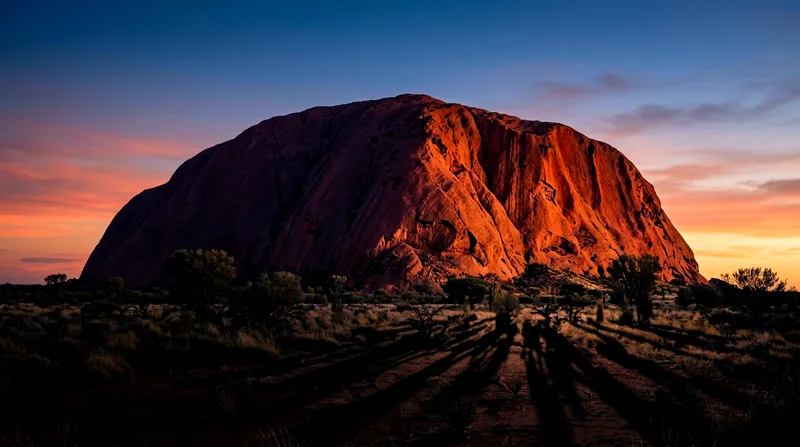
Compare Uluru sunrise vs sunset: colours, crowds, temperatures, and tour logistics — practical guidance to decide which session to book first.
8 min read · 9 Oct 2026
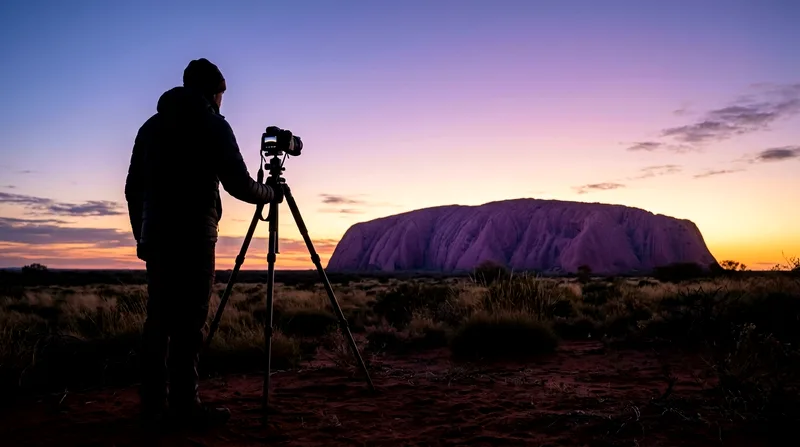
Compare Uluru photography tour types—sunrise, astro, and drone—to find the right fit for your skill level, gear, and travel style before you book.
9 min read · 9 Oct 2026
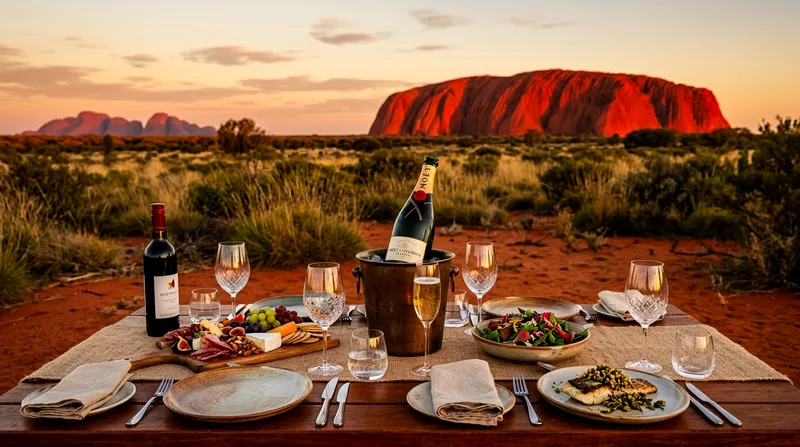
Compare Uluru sunset dinner experiences — Sounds of Silence, Tali Wiru and simpler options — on price, menu, group size and atmosphere.
8 min read · 9 Oct 2026
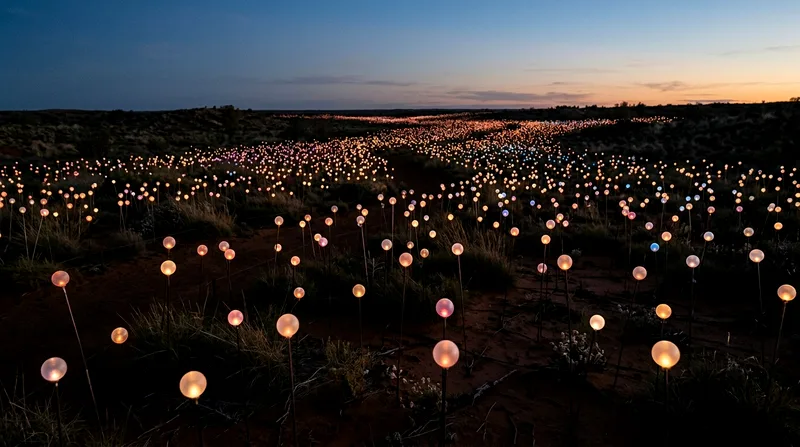
Book Field of Light Uluru tickets online. Compare ticket types, combo deals, best viewing times and insider tips for Bruce Munro's installation.
8 min read · 9 Oct 2026