Compare Uluru sunset dinner experiences — Sounds of Silence, Tali Wiru and simpler options — on price, menu, group size and atmosphere.
Sunset Dinner Options at a Glance

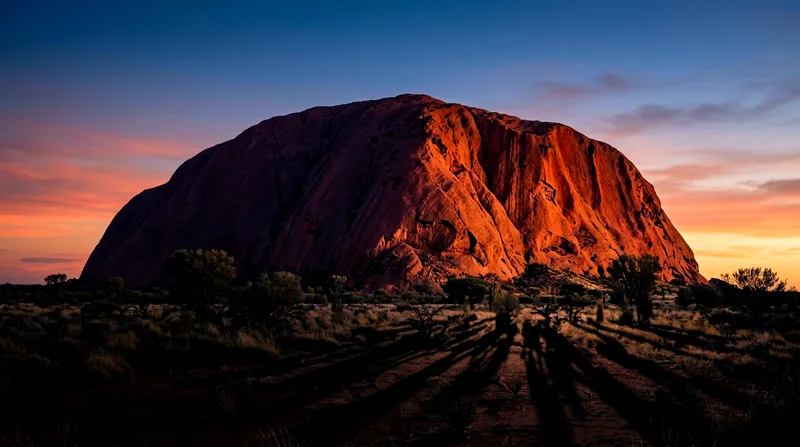
An Uluru sunset dinner is one of the few experiences in the Red Centre that tries to do three jobs at once: feed you well, put you in front of the rock as the light changes, and fold in some genuine Aboriginal culture without turning it into a stage show. The two names you'll hear most are Sounds of Silence and Tali Wiru, both run out of Ayers Rock Resort, but they sit at different price points and serve different sized groups. There are also lower-cost ways to watch the sunset — a self-drive to one of the free viewing areas with a esky of supplies — that get you 80% of the visual experience for a fraction of the cost.
The honest starting point is this: nobody needs to do a formal sunset dinner to see Uluru change colour. You're paying for the setting, the service, and in Tali Wiru's case, genuine exclusivity. If what you want is just the view and a cold drink, the free car park at the designated sunset viewing area does the job. If you want the view plus a proper three-course meal, white tablecloths, and a didgeridoo performance under a telescope-ready sky, that's where these two operators come in.
What each operator offers
Sounds of Silence seats larger groups — typically in the range of 150 to 200 guests per night — at long communal tables set on a dune with an unobstructed view of both Uluru and Kata Tjuta in the distance. Expect a buffet-style spread featuring native Australian ingredients (think kangaroo, barramundi, bush spices), a didgeridoo performance, and a star-talk segment once the sky darkens. Tali Wiru, by contrast, caps numbers much lower — around 20 to 40 guests — and runs a seated, plated degustation-style menu with Aboriginal culture talks and a different, more remote dune location each night. It's smaller, quieter, and markedly more polished.
Who runs them
Both experiences are operated under the Ayers Rock Resort umbrella (Voyages Indigenous Tourism Australia), which also runs the resort's hotels, the Field of Light Star Pass combinations, and various cultural tours around the Red Centre. This matters for logistics: bookings, transfers and check-in for both dinners typically route through the resort's central booking system, so if you're already staying at Sails in the Desert or Desert Gardens, transport is straightforward. If you're staying in Alice Springs and day-tripping in — a roughly 5-hour drive or a short flight — you'll need to factor in a transfer or your own vehicle, since neither dinner is accessible without resort-arranged transport or a private car.
Sounds of Silence vs Tali Wiru vs Others
The real decision isn't "which is better" — it's which atmosphere you actually want. Sounds of Silence feels like a well-run wedding reception: lively, sociable, slightly chaotic when 180 people converge on a buffet line at once. Tali Wiru feels like a small dinner party where everyone happens to be facing the same red rock. Neither is wrong, but they produce very different evenings, and reviewers who complain about Sounds of Silence feeling "crowded" are usually comparing it unfavourably to Tali Wiru without realizing it's a different product entirely at roughly half (sometimes less) the per-person cost.

Menu and dining style
Sounds of Silence runs buffet-style, which means you control portions and can go back for seconds of the barramundi if the kangaroo isn't your thing — useful if you're traveling with a fussy teenager or someone with a limited palate. Tali Wiru's plated, multi-course format is the better pick for food purists; portions are fixed and the courses are paced for discussion and storytelling between them, often from an Aboriginal guide speaking about bush tucker and local lore. If you have dietary restrictions, notify either operator at least 48 hours ahead — Tali Wiru's small-batch kitchen has less flexibility to accommodate last-minute changes than Sounds of Silence's larger buffet setup.
Atmosphere and setting
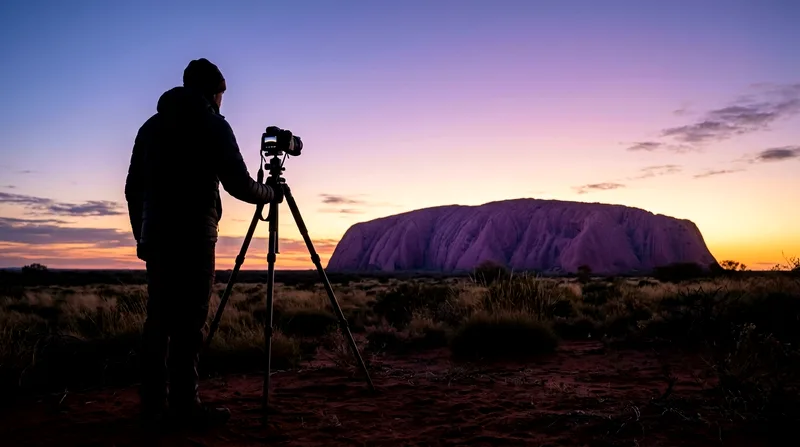
Sounds of Silence sits on a permanent dune with a fixed, reliable view — comfortable, but you're one of many tables in neat rows. Tali Wiru changes its dune location seasonally and limits numbers specifically to preserve a sense of solitude, which is the main reason people pay more for it. If photography matters to you, Tali Wiru's smaller group means less risk of a stranger's silhouette wandering into your sunset shot — a real, recurring complaint about Sounds of Silence from travelers chasing a clean composition.
Key Factors: Price, Time, Effort and Crowds
Price is the first filter most people apply, and it's a wide gap. Sounds of Silence typically runs in the moderate-to-upper range for a dinner experience — broadly comparable to a nice resort dinner with entertainment built in — while Tali Wiru sits considerably higher per person, reflecting its small-group, plated format and more elaborate production. Both are priced per adult, with reduced rates for children where offered (Tali Wiru is generally not set up for young children at all; check the minimum age before booking). Always confirm current pricing when booking, since both experiences are sold through the Ayers Rock Resort platform and rates shift seasonally.
Sounds of Silence offers the view and the culture at a lower cost with a bigger crowd, while Tali Wiru trades scale for intimacy at a significantly higher price.
Uluru sunset dinner experiences compared: price, group size and atmosphere
| Experience | Typical Price (AUD/adult) | Group Size | Dining Style | Best For |
|---|---|---|---|---|
| Sounds of Silence | approx. 200–260 | 150–200 guests | Buffet, communal tables | First-timers, families with older kids, groups |
| Tali Wiru | approx. 350–450+ | 20–40 guests | Plated, multi-course | Couples, special occasions, photographers |
| Free sunset viewing area (self-drive) | Fuel/food only | Unlimited | Bring your own | Budget travelers, solo backpackers |
| Resort restaurant sunset view (Ayers Rock Resort) | approx. 60–120 | Varies | A la carte | Families with young kids, casual evenings |
Prices are broad planning estimates and vary by season and booking date — check current rates before you book.
Cost comparison
As a rough guide for planning purposes: Sounds of Silence sits in the vicinity of AUD 200–260 per adult, while Tali Wiru can run AUD 350–450 or more per adult, depending on season. Compare that to simply packing a car and driving to the free Talinguru Nyakunytjaku sunset viewing area near Uluru — cost of fuel and whatever food you bring, essentially. For budget travelers doing the Red Centre on a backpacker itinerary that also covers Kings Canyon and the MacDonnell Ranges, that price difference is significant — it could be the cost of another full day tour.
Duration and logistics
Both dinners run roughly 3 to 3.5 hours door to door, starting with transfer or self-drive to the dune location before sunset and wrapping up after the star-talk segment. Sounds of Silence operates nightly year-round (weather permitting); Tali Wiru runs on a more limited schedule, often only on select nights across the dry season (roughly April to October), so it requires earlier booking — ideally 2 to 3 months out if you have fixed travel dates. Neither involves significant walking; both are seated, flat-ground experiences, which makes them genuinely accessible for senior travelers or anyone who's already spent the day on the Uluru base walk or a Kata Tjuta valley hike and doesn't want more exertion.
Which Experience Is Right for You?
Match the experience to who's actually at the table with you, not to what looks best on paper. A solo traveler can book either Sounds of Silence or Tali Wiru — both accept single bookings and seat you alongside other guests, which some solo travelers enjoy as a built-in way to meet people. Families with children under about 10 should think twice about either: the format is slow, the courses are spaced out, and a restless kid at a quiet Tali Wiru table will be obvious to everyone within a 10-metre radius. A resort restaurant with an outdoor sunset-facing deck is the better family compromise.
For luxury seekers
If you're already booked into a longer Red Centre itinerary that includes a scenic flight over Kata Tjuta or a private Kings Canyon rim walk, Tali Wiru fits the same tier of spend and delivers proportionally. The smaller group, the plated menu, and the shifting dune location all signal that you're paying for exclusivity rather than just dinner with a view. Book it for an anniversary or a milestone trip — it's the kind of evening that's genuinely hard to replicate with a DIY picnic.
For budget-conscious travelers
If your Red Centre trip already includes cost-conscious choices — camping near Watarrka National Park, driving yourself between Alice Springs and Uluru rather than flying, skipping Coober Pedy's pricier underground stays — then neither formal dinner may be worth it. The Talinguru Nyakunytjaku viewing platform delivers the same sunset over the same rock, and you can pair it with a servo-bought dinner for under AUD 20. Sounds of Silence is the middle path if you want some ceremony without Tali Wiru's price tag.
Final Verdict
For most travelers — couples, first-timers, senior travelers who want comfort without exertion — Sounds of Silence is the better value call. It delivers the iconic Uluru backdrop, a genuine introduction to native ingredients and Aboriginal storytelling, and a reasonably priced evening that doesn't require a second mortgage. Tali Wiru is worth booking specifically when the small-group, plated format matters to you more than the price difference — anniversaries, proposals, or simply travelers who find large buffet dinners impersonal. And if you're weighing this against other Red Centre spending — a half-day at Kings Canyon, a cultural tour through the MacDonnell Ranges, or extra nights in Alice Springs — remember that a free sunset viewing spot gets you most of the visual payoff for nothing at all.

Frequently asked questions
What is included in a Uluru sunset dinner experience?
Both Sounds of Silence and Tali Wiru include return transfers from Ayers Rock Resort accommodation, a sunset viewing period with sparkling wine or juice, a multi-course or buffet dinner featuring native Australian ingredients, a didgeridoo or cultural performance, and a star-talk segment once darkness falls. Tali Wiru adds a more detailed Aboriginal culture presentation given its smaller group size.
How much does Sounds of Silence cost compared to other options?
Sounds of Silence typically runs around AUD 200–260 per adult, roughly half to two-thirds the cost of Tali Wiru, which can exceed AUD 400 per adult in peak season. A resort restaurant dinner with a sunset-facing deck costs closer to AUD 60–120 per person, and a self-drive to a free viewing area costs only what you spend on food and fuel.
Can you do a sunset dinner with a small group or solo?
Yes — both experiences accept solo travelers and small groups and seat you alongside other guests at shared or nearby tables. Solo bookers often find this a natural way to chat with other visitors during the star-talk segment, particularly at Sounds of Silence where the communal tables encourage mixing.
What time do sunset dinners start and how long do they last?
Start times shift with the season to align with actual sunset, typically somewhere between 5:30pm and 7:30pm, with the full evening — transfer, dinner, star talk and return — running about 3 to 3.5 hours. Confirm exact timing when you book, since it changes month to month.
Is a Uluru sunset dinner worth the price?
If you value the ceremony, the native-ingredient menu and the cultural content alongside the view, yes — particularly Sounds of Silence, which offers reasonable value for what's included. If you just want to see Uluru turn red at dusk, a free viewing area does that job for the cost of fuel, and you can put the savings toward a scenic flight or an extra night in Alice Springs instead.