Compare Uluru sunrise vs sunset: colours, crowds, temperatures, and tour logistics — practical guidance to decide which session to book first.
Uluru Sunrise vs Sunset: Which Is Better to Book?
Every visitor to Uluru-Kata Tjuta National Park ends up asking the same question: sunrise or sunset? Both sessions deliver the rock's famous colour change — Uluru shifting through ochre, burnt orange, and deep red as the light angle moves — but the two experiences differ more than most people expect. Crowds, temperature, viewing locations, and even the mood of the place change depending on which end of the day you choose.
This comparison breaks down the practical differences so you can book the session that actually suits your trip, rather than defaulting to whichever one your tour operator pushes hardest. If you have two or three days in the Red Centre, you can realistically do both — but if you're short on time, squeezed between a Kings Canyon transfer or an Alice Springs flight, you'll want to know which one to prioritise.
Sunrise vs Sunset: Quick Comparison
Neither session is objectively "better" — they're different experiences shaped by light direction, visitor behaviour, and logistics. Sunrise faces the rock as the sun rises behind you, lighting Uluru from the east; sunset does the reverse, with the sun dropping behind Kata Tjuta to the west while Uluru catches the last light. That single geographic fact explains most of the differences below.
Sunset is generally easier to book and warmer, while sunrise offers quieter viewing areas and a different colour sequence.
Uluru sunrise vs sunset compared: timing, crowds, temperature and best use
| Session | Typical Start Time | Crowd Level | Temperature | Best For |
|---|---|---|---|---|
| Uluru Sunrise | 5:00–6:30am (season-dependent) | Lower to moderate | Cold, especially winter mornings | Photographers, quiet viewing, early risers |
| Uluru Sunset | 4:30–6:30pm (season-dependent) | Moderate to high | Mild, warm evening air | First-timers, families, easier logistics |
| Kata Tjuta Sunset Viewing | Similar to Uluru sunset | Lower than main Uluru viewing area | Mild | Travellers wanting fewer crowds, alternate backdrop |
| Combined Sunrise + Base Walk | Right after sunrise | Low once walking starts | Cool, rising through the morning | Active travellers, fitness-focused visitors |
Timings shift seasonally by up to two hours; always check the day's official sunrise/sunset times when booking.
Key differences at a glance
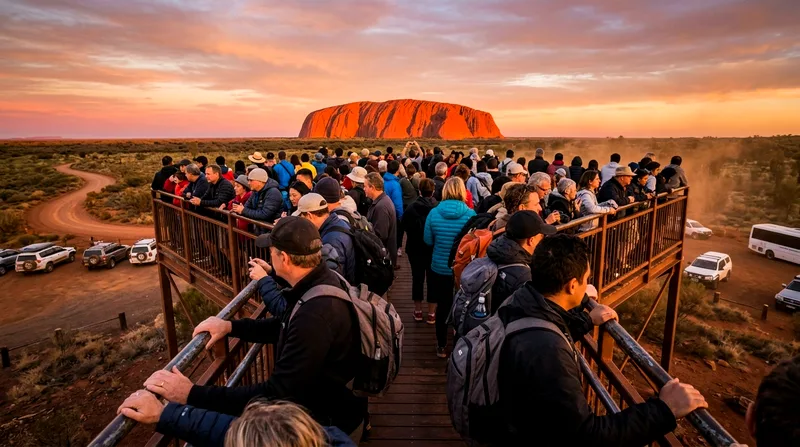
Sunrise typically means a 5:00–5:30am pickup in summer (later, around 6:30am, in winter), roughly 45 minutes before the sun clears the horizon. Sunset tours depart in the afternoon, timed so you arrive at the viewing area 60–90 minutes before dusk, with the whole event wrapped up by early evening. Sunrise tends to be colder — desert mornings can drop to 5°C in winter — while sunset coincides with the day's lingering warmth. Crowds also behave differently: sunset viewing areas fill up more densely because it's an easier commitment after a full day of sightseeing, while sunrise thins out the casual crowd that won't set an alarm.
Why both matter to visitors
If you're building a Red Centre itinerary that also includes Kata Tjuta, Kings Canyon, or the MacDonnell Ranges near Alice Springs, timing matters practically, not just aesthetically. Sunset tours often combine with a Kata Tjuta Dune Walk earlier in the day, while sunrise tours sometimes pair with the Uluru base walk right after, taking advantage of cooler temperatures before the desert heats up. Treat the choice as part of a day's logistics, not an isolated bucket-list moment.
Colours and Light: What You'll Actually See
This is where the decision gets genuinely subjective, and I'll say plainly: the colour difference is real, but it's subtler than marketing photos suggest. Both sessions produce a shift from dull brown-grey to glowing red, but the sequence and duration differ.
Sunrise colour progression
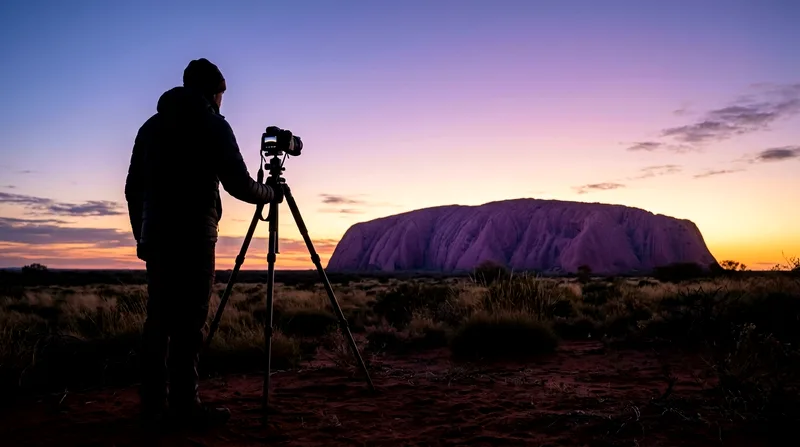
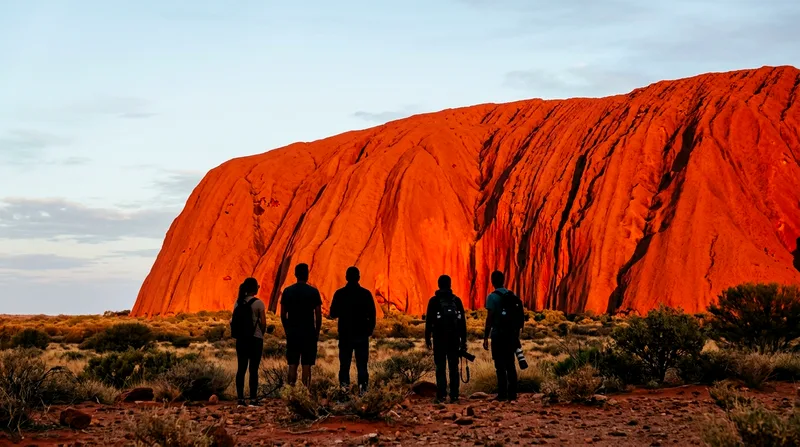
At sunrise, Uluru starts as a flat, almost grey-purple silhouette against a lightening sky. As the sun climbs, the rock brightens through dusky pink into a deep, saturated red-orange, usually peaking for a short window of 10–15 minutes right as the sun clears the horizon. The sky behind you — to the west — often holds soft purple and pink tones simultaneously, which is why photographers frequently prefer sunrise: you get two light shows in opposite directions at once. The trade-off is that the best colour window is shorter and more weather-dependent than sunset's.
Sunset colour progression
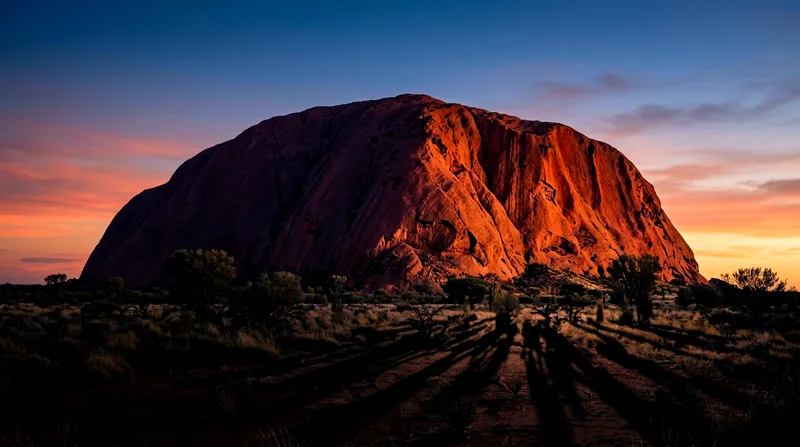
Sunset reverses the sequence and stretches it out. Uluru holds a warm orange-gold glow for longer — often 20–30 minutes — before deepening into a dramatic red and finally fading to dark maroon and silhouette as the light drops. Clear, dry evenings (common in the Australian outback, especially autumn and winter) produce the most intense reds. The longer colour window is the main practical reason sunset photos tend to look more dramatic in tour brochures, even though sunrise can be just as vivid on a clear morning.
Crowds, Temperature, and Comfort Factors
Comfort is the most underrated factor in this decision, and it's where sunrise and sunset diverge sharply.
Visitor numbers and peak times
Sunset viewing areas — particularly the main car-park platform — get busier than sunrise, simply because it doesn't require setting an alarm before dawn. During peak season (June to August, when the Red Centre's cooler daytime temperatures draw the most visitors), sunset platforms can feel genuinely crowded, with coach groups arriving in waves. Sunrise crowds thin out faster: a meaningful share of visitors skip the early start, so the viewing areas — including the dedicated Talinguru Nyakunytjaku lookout — feel noticeably calmer. If uninterrupted photography or a quieter moment matters to you, sunrise wins this round clearly.
Temperature and weather conditions
Winter mornings (June–August) can sit between 3°C and 8°C at sunrise, which surprises visitors expecting desert heat. Bring a jacket — this is not optional, and it's the single most common complaint from underprepared tourists. Sunset, by contrast, happens while the day's heat is still dissipating, so even winter evenings feel milder, often 15–18°C. In summer (December–February), the calculus flips: sunrise is pleasantly cool before the heat builds, while sunset can still feel hot and sticky, with temperatures lingering near 35°C+ into early evening.
Tour Options and Logistics
Logistics tend to tip the decision for travellers without a rental car, since most people rely on a coach transfer from Yulara (the resort town servicing Uluru) or an organised day tour from Alice Springs, roughly a 5-hour drive away.
Sunrise tour structure and timing
Sunrise tours require pickup well before dawn — often 5am in summer — which means a genuinely early wake-up, especially if you're staying outside Yulara. Buses typically allow 30–45 minutes at the viewing platform, then many continue straight into a base walk or field trip to the Cultural Centre while temperatures stay low. This pairing makes sense: the Uluru base walk (10.6km loop) is far more comfortable at 7am than at midday. The downside is the early alarm, which doesn't suit families with young children or travellers who prioritise sleep over photo ops.
Sunset tour structure and timing
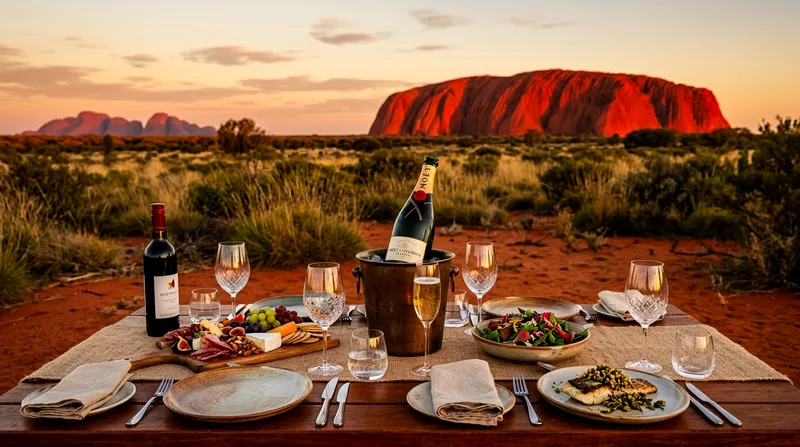
Sunset tours depart mid-to-late afternoon and often bundle in a Kata Tjuta visit beforehand, since Kata Tjuta sits roughly 40km west and makes a natural stop en route. Many operators include a glass of sparkling wine and snacks at the viewing area — a nice touch, though it's also why sunset areas feel more like a social event than sunrise's quieter mood. Return to Yulara typically lands by 8–9pm, leaving evenings free. This is the easier option logistically, particularly for families with children or senior travellers who'd rather not manage a pre-dawn departure.
Who Should Choose Sunrise or Sunset
Neither crowd is wrong — the right choice depends on what you're optimising for: solitude, comfort, or convenience.
Best for sunrise visitors
Choose sunrise if you're a serious photographer chasing the quieter viewing areas and the dual-direction light show, or if you plan to combine it with the base walk before the heat sets in. Solo travellers and couples who don't mind an early alarm tend to rate sunrise higher precisely because fewer buses show up. It's also the better pick in summer, when sunset heat can be uncomfortable for standing around for an hour.
Best for sunset visitors
Choose sunset if you're travelling with children, have mobility concerns, or simply don't want to lose a night's sleep over a rock — however famous it is. Families and senior travellers generally find sunset far more manageable, and the milder evening temperatures in winter make standing at the viewing platform genuinely pleasant rather than something to endure. It's also the more sociable option if you're travelling as a couple wanting a relaxed, drink-in-hand evening rather than a dawn scramble.
The Verdict: Which Should You Book
If you can only book one session, book sunset first — it's lower-risk, warmer, easier to combine with Kata Tjuta, and far more forgiving if you're jet-lagged from a long-haul flight into the Northern Territory. Book sunrise as the add-on once you've settled into Yulara and know you can handle the early start.
Photographers and travellers chasing a quieter, more contemplative outback moment should prioritise sunrise despite the cold and the early alarm — the trade-off is worth it precisely because fewer people make that trade. Families, senior travellers, and anyone pressed for time between Alice Springs and Watarrka National Park (home to Kings Canyon) will get more reliable value from sunset. Either way, avoid treating this as a one-shot decision: with two nights in the area, doing both costs little extra and lets you judge the colours for yourself.
Frequently asked questions
Is Uluru sunrise or sunset better for photography?
Sunrise generally gives photographers more to work with — you get the rock glowing in front of you and a pastel sky behind you simultaneously, plus thinner crowds for clean compositions. Sunset produces a longer, more dramatic colour window but with denser crowds at the main viewing platform, which can clutter foreground shots.
Which session has fewer crowds at Uluru?
Sunrise consistently draws fewer visitors because it requires a pre-dawn pickup, often 5am in summer. Sunset is more popular since it fits naturally at the end of a sightseeing day, so expect denser crowds at the main car-park viewing area, especially during the June–August peak season.
What time do sunrise and sunset tours start?
Sunrise tour pickups run roughly 5:00–6:30am depending on season, arriving at the viewing area about 45 minutes before the sun clears the horizon. Sunset tours depart mid-afternoon, typically 4:30–6:30pm, reaching the viewing platform 60–90 minutes before dusk. Always confirm exact times when booking, since they shift with the season.
Is it too cold for Uluru sunrise in winter?
It's cold, not unbearable — winter mornings (June–August) often sit between 3°C and 8°C at the viewing area. Bring a jacket, gloves, and a beanie; most visitors underestimate how sharp the pre-dawn chill feels in the open desert, and standing still for 30–45 minutes makes it colder than walking would.
Can you see both sunrise and sunset in one day?
Yes, but it makes for a long day — an early 5am pickup followed by a full day of sightseeing (Kata Tjuta, the Cultural Centre, or a base walk) before a late-afternoon sunset tour. Most visitors spread the two sessions across separate days instead, which also allows comparing conditions if the first one is cloudy.