Maximise your single day at Uluru with this hour-by-hour itinerary. Sunrise, guided tours, and sunset viewing—all in one day.
Who This Itinerary Is For
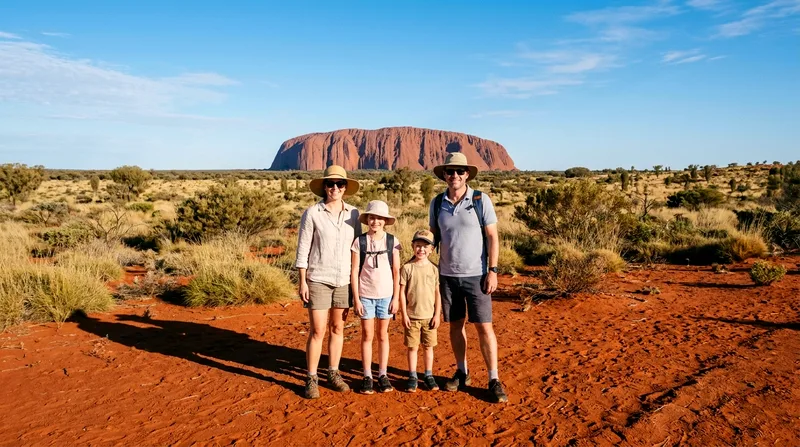
This 1 day Uluru itinerary is built for people who have exactly one day at the rock — not three, not two, one — and want to leave having seen the things that actually matter: sunrise, a walk around the base, and sunset. That's a realistic ask. What isn't realistic is also fitting in a relaxed Kata Tjuta hike, a scenic flight, and a long cultural centre visit without feeling like you spent the day in a car.
If you're flying into Ayers Rock Airport in Yulara for a stopover between Alice Springs and Darwin, or driving through the Red Centre on a longer loop, this plan suits you. It also works for cruise-ship-style day visitors arriving via coach tour, though you'll have less control over timing.
It's not the right plan for families with young children who tire quickly in 35°C+ heat, or for anyone who wants to properly experience both Uluru and Kata Tjuta — that genuinely needs two days minimum. Senior travelers should know the Base Walk is 10.6 km; if full mobility is a concern, plan on doing a shorter section rather than the whole loop. Honestly, if you can stretch this to two days, do it — one day at Uluru is efficient, not comfortable.
Day 1: Hour-by-Hour Plan
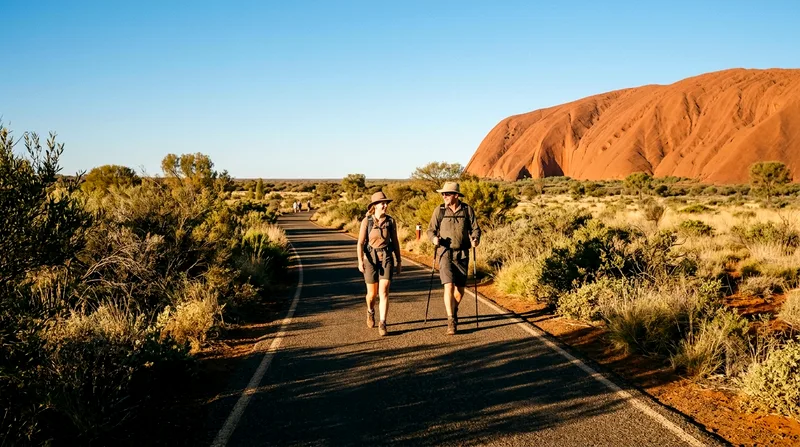
Here's the plan broken into three blocks, timed against sunrise and sunset rather than the clock, because those shift seasonally by well over an hour between summer and winter in the Red Centre.
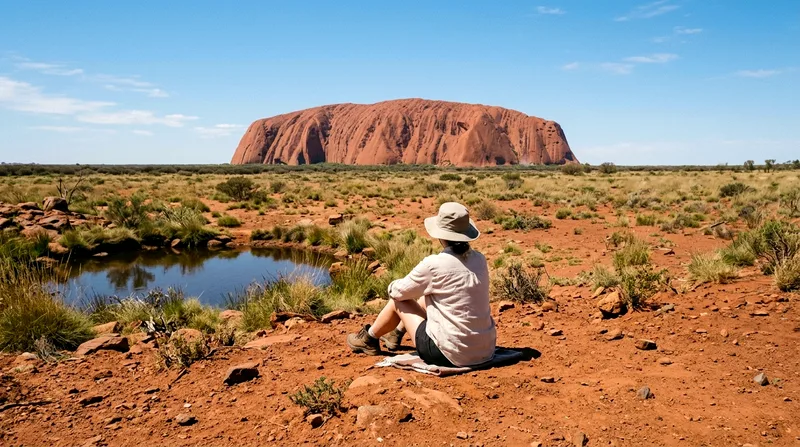
A single day at Uluru splits naturally into sunrise-and-walk, midday rest-and-tour, and sunset blocks, each with its own pace and energy demands.
1 day Uluru itinerary: morning, afternoon and evening at a glance
| Time Block | Main Activity | Duration | Energy Level | Book Ahead? |
|---|---|---|---|---|
| Early morning | Sunrise viewing + Base Walk or Mala Walk | 1–4 hours | High | No, but check sunrise time |
| Midday | Lunch in Yulara + Cultural Centre | 1.5–2 hours | Low | No |
| Afternoon | Guided cultural or walking tour | 2–3 hours | Moderate | Yes |
| Evening | Sunset viewing at designated area | 1–1.5 hours | Low | No, but arrive early for parking |
Timings are approximate and shift with seasonal sunrise/sunset times; confirm exact times locally before planning your day.
Morning: Sunrise and Base Walk
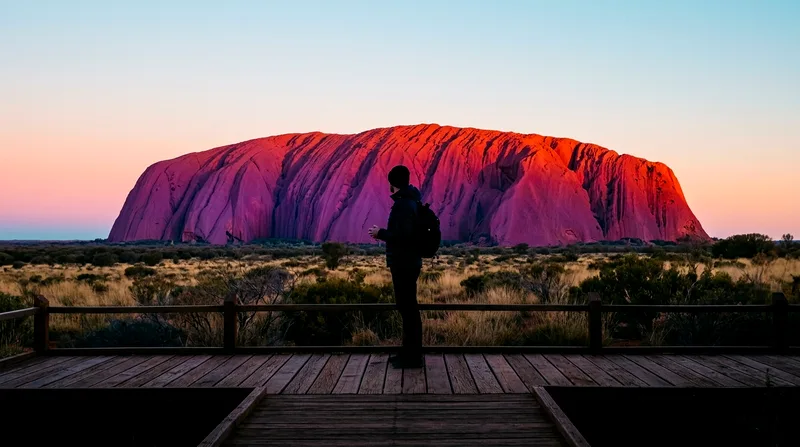
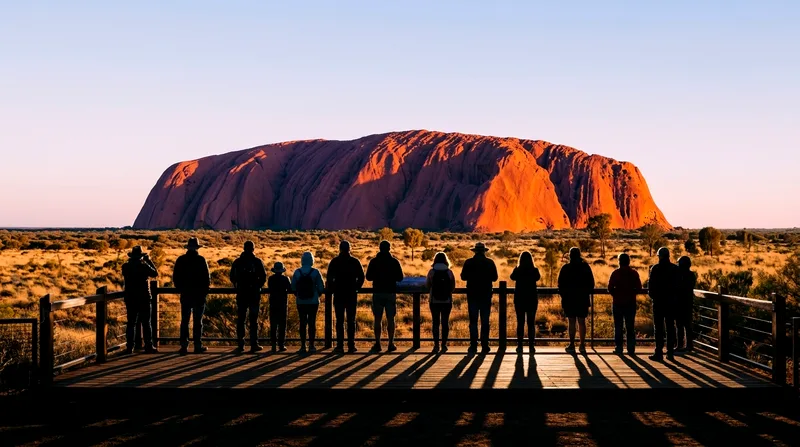
Arrive at a designated sunrise viewing area — Talinguru Nyakunytjaku is the main one, with car parking and raised viewing platforms — at least 30 minutes before official sunrise. Check the posted time at your accommodation or the Cultural Centre the evening before; it ranges from around 5:30am in summer (December–January) to closer to 7:00am in winter (June–July). Bring a headlamp if you're walking any distance in the dark, and dress in layers — desert mornings can sit near 10°C even when the afternoon hits 35°C.
After sunrise, drive or shuttle to the Mala car park and start the Uluru Base Walk. The full loop is 10.6 km and takes 3 to 3.5 hours at an easy pace, with several shaded rest points but limited shade overall. If you're tight on time or energy, the Mala Walk segment (2 km return, about 1 hour) covers rock art sites and a waterhole and gives you a genuine sense of the rock's texture and scale without the full commitment. Carry at least 1 litre of water per hour in warmer months — there's no reliable refill point once you're on the trail.
Afternoon: Guided Tour and Lunch
Head back to Yulara by early afternoon for lunch and to escape the heat — most restaurants and the IGA supermarket in the town square are open through midday. This is also the window to visit the Uluru-Kata Tjuta Cultural Centre, free to enter, near the park's eastern side; budget 45 minutes to an hour to read the Anangu interpretation of Tjukurpa (creation law) before you go further into the park.
This is the slot to book a guided tour in advance — a half-day cultural walking tour covering Mala Walk or the Kuniya walk to Mutitjulu Waterhole, led by an Anangu guide or a licensed operator trained in Aboriginal interpretation. These run seasonally around the cooler parts of the day, so check current departure times when booking rather than assuming a fixed slot. A guided tour genuinely changes what you take from the base walk — without context, it's just a big red rock; with it, you're looking at specific sites tied to ancestral stories.
Evening: Sunset Viewing
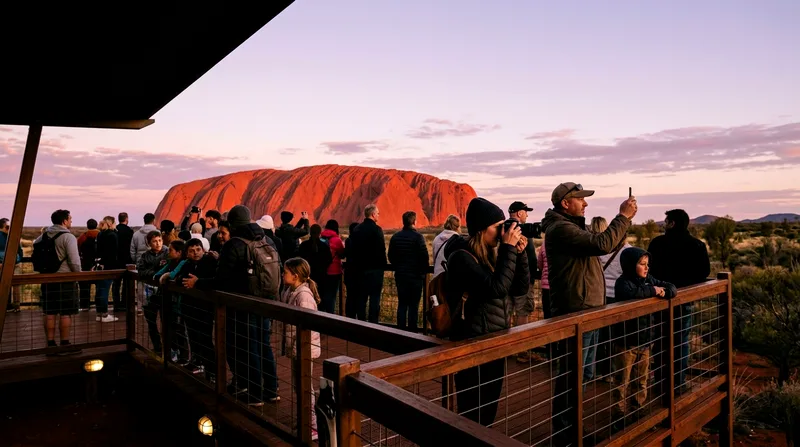
Arrive at a sunset viewing area 45–60 minutes before sunset — the car park at the dedicated Uluru sunset viewing area fills up fast in peak season (June–August) and during school holidays. The colour change is gradual and most dramatic in the final 15 minutes, as the rock shifts from ochre to deep red to almost purple-black. Bring a chair, a drink, and patience; this isn't a five-minute photo stop.
If you want the Kata Tjuta silhouette in your sunset photos too, the dune viewing area offers both formations from one spot, though it's less crowded and slightly further from Yulara. After dark, the drive back to Yulara takes about 20–25 minutes — watch for wildlife on the road, especially kangaroos at dusk.
Getting Around Uluru
Most of this itinerary assumes you have a car, hire vehicle, or have booked a transfer — Uluru-Kata Tjuta National Park is spread out, and the viewing areas, walking trailheads, and Yulara township sit 15–20 minutes apart by road. The park entry fee is charged per person (roughly AU$38 for a 3-day pass, check current pricing when booking), not per vehicle, and the pass covers both Uluru and Kata Tjuta, which is worth knowing if you decide to extend your trip.
If you don't have a car, Yulara runs a free shuttle bus around the resort township, but it doesn't go into the national park itself — you'll need a tour pickup or hire car for that leg. Several operators run hop-on coach services between Yulara and the main viewing areas, useful if you'd rather not navigate unfamiliar roads before dawn.
Cycling is genuinely underrated here: bike hire is available in Yulara, and the road to the Mala car park is flat and quiet in early morning. It won't suit everyone — there's no shade and distances between points run 15–20 km round trip — but for fit solo travelers or couples, it's cheaper than a tour and more flexible than a shuttle. I'd avoid attempting to walk between Yulara and the park entry points; it's roughly 20 km one-way through open desert with no pedestrian path, and heat exhaustion risk is real.
Where to Base Yourself
Yulara is the only real option for an overnight stay near Uluru — it's a purpose-built resort town roughly 20 km from the rock, with accommodation ranging from a campground and budget cabins to mid-range hotels and one luxury property. Compared to basing yourself in Alice Springs, which sits 450 km away (around a 5-hour drive or a short flight), Yulara is the only sensible choice for a one-day itinerary — commuting from Alice Springs would eat your entire day in transit.
If your trip includes more time in the Red Centre, Alice Springs makes sense as a base for exploring the MacDonnell Ranges or as a stopover en route to or from Darwin and Kakadu National Park. Some travelers also route through Coober Pedy if driving the long way from Adelaide, though that adds a full extra day of driving and isn't relevant if you're flying in for a single day at Uluru.
Book Yulara accommodation well ahead, especially for May–September (the cooler, busier season) — rooms sell out weeks in advance during peak periods, and last-minute options are usually the most expensive camping sites left.
Optional Bookable Experiences
If you want to upgrade this day beyond the free viewing areas and self-guided walk, there are a couple of experiences worth reserving ahead rather than trying to book same-day.
Helicopter and scenic flights
A scenic flight over Uluru and Kata Tjuta runs roughly 15–30 minutes and gives you a perspective the ground-level walks simply can't — you see how isolated the rock is against the flat desert, and how Kata Tjuta's 36 domes are arranged compared to Uluru's single mass. These depart from Ayers Rock Airport, typically early morning or late afternoon when light is best and air is calmer. It's not cheap — expect this to be one of the pricier add-ons of your day — and it eats into your base walk time if scheduled mid-morning, so slot it either before sunrise activities or in the late afternoon before sunset.
Aboriginal cultural tours
This is the one experience I'd actively push you to book over the scenic flight if you can only choose one. A guided walk led by Anangu guides or trained interpreters — covering bush tucker, rock art at Mala, or the Kuniya story at Mutitjulu Waterhole — turns a scenic walk into something with actual depth. Sessions typically run 1.5 to 2 hours and are offered in cooler morning or late-afternoon slots. Book at least a few days ahead in peak season (June–August); these fill faster than you'd expect given how few operators run them.
Frequently asked questions
Can you see Uluru in one day?
Yes — you can see sunrise, walk at least part of the Base Walk, visit the Cultural Centre, and watch sunset all in a single day. What you can't do well in one day is also visit Kata Tjuta properly; that needs its own half-day minimum, so most one-day visitors skip it or view it only from a distance.
What time should I arrive for sunrise?
Arrive at the Talinguru Nyakunytjaku viewing area at least 30 minutes before official sunrise, which ranges from around 5:30am in summer (December–January) to near 7:00am in winter (June–July). Check the exact time posted at your Yulara accommodation or the park's Cultural Centre the day before, since it shifts noticeably through the year.
Is a guided tour necessary at Uluru?
Not necessary, but strongly worth it. You can walk the Base Walk and Mala Walk independently using free interpretive signage, but a guided Aboriginal cultural tour adds context — the Tjukurpa stories behind specific rock art and waterhole sites — that signage alone doesn't fully convey.
What's the best way to get around Uluru?
A hire car or pre-booked transfer is the most flexible option, since the park's viewing areas and trailheads sit 15–20 minutes apart and Yulara's free shuttle only covers the township, not the national park. Bike hire works well for fit travelers heading to the Mala car park in early morning when it's cool and the road is quiet.
Can I climb Uluru?
No. Climbing Uluru was permanently closed in October 2019 at the request of the Anangu traditional owners, for whom the rock holds deep cultural and spiritual significance. The Base Walk and shorter segments like the Mala Walk are the recommended ways to experience it up close instead.