Plan your 3-day Uluru itinerary with Kings Canyon. Daily breakdown, tour options, and where to stay near Uluru and Kata Tjuta.
Who This Itinerary Is For
This 3 day Uluru itinerary is built for travelers who want the full Red Centre experience — not just a drive-by photo of the rock — but don't have a week to spend in the Northern Territory. It covers Uluru, Kata Tjuta and a full day trip to Kings Canyon in Watarrka National Park, which sits roughly 300 km (3-3.5 hours) from Yulara by sealed road.
It suits couples and families with a rental car, since self-driving gives you control over sunrise and sunset timing at Uluru — arguably the two best windows of the whole trip. It also works for senior travelers who want a paced itinerary rather than a rushed group tour, and for European or international visitors tacking the Red Centre onto a longer Australia route through Alice Springs or Darwin.
It's less suited to anyone without a car or tour booking who's hoping to improvise — public transport between Yulara and Kings Canyon doesn't really exist, and distances here are deceptive on a map. If you're only flying into Ayers Rock Airport for a quick stopover of a day or two, you'll need to drop Kings Canyon and focus on Uluru and Kata Tjuta instead; trying to squeeze all three into two days means long driving days and tired, rushed walks. Three days is tight but workable; four is more comfortable if your schedule allows it.
Day 2's Kings Canyon leg is the longest drive and hardest walk of the whole 3 day Uluru itinerary, so plan it with an early start.
3 day Uluru itinerary: daily highlights, distance and difficulty compared
| Day | Main Site | Drive from Yulara | Key Walk | Difficulty |
|---|---|---|---|---|
| Day 1 | Uluru | 0 km (in park) | Base Walk (10.6 km loop) | Easy, flat |
| Day 2 | Kings Canyon / Watarrka | approx. 300 km, 3-3.5 hrs | Rim Walk (6 km loop) | Moderate-hard, steep start |
| Day 3 | Kata Tjuta | approx. 45 km, 30-40 min | Valley of the Winds (7.4 km loop) | Moderate, uneven terrain |
Distances and drive times are approximate and depend on road conditions and exact accommodation location in Yulara.
Day 1: Arrival and Uluru Sunset
Most visitors fly into Ayers Rock Airport, which sits just a few minutes from Yulara, the purpose-built resort town that serves as the base for the entire national park. There's no other airport or town anywhere near Uluru, so Yulara is effectively mandatory as your first stop.
Morning and Afternoon
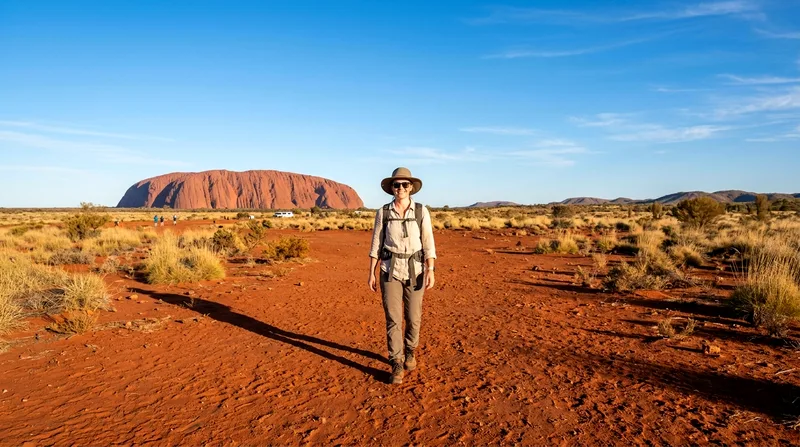
Check in at your accommodation in Yulara by late morning, then head straight into Uluru-Kata Tjuta National Park. Entry costs AUD 38 per adult for a three-day pass (children under 18 enter free), which covers your whole visit including Kata Tjuta. Spend the afternoon on the Uluru base walk or a shorter section of it — the full loop is 10.6 km and takes 3-3.5 hours at an easy pace, but in hot months you can do a partial walk and still see the main features, including the Mutitjulu Waterhole and rock art sites along the Kuniya Walk. Avoid attempting the full loop in the middle of the day during the warmer months (October to March); heat exhaustion is a real risk, and there's limited shade.
Evening
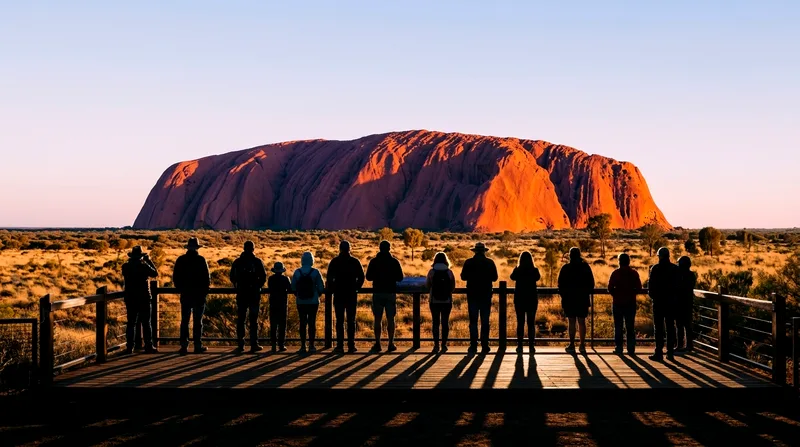
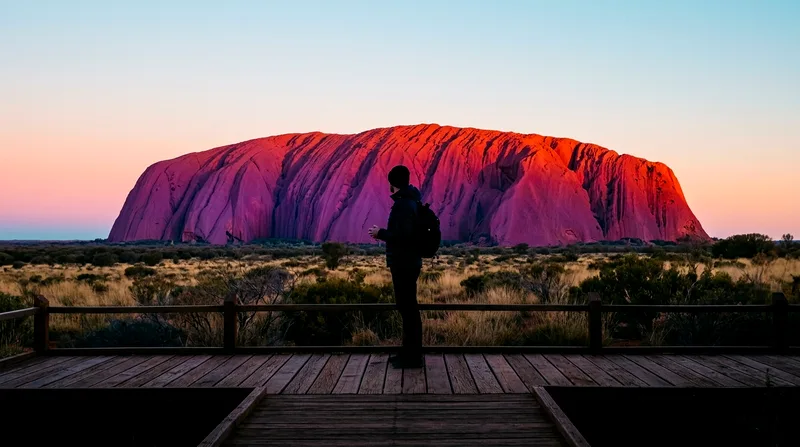
Book a sunset viewing spot for your first evening — this is the one experience worth reserving ahead, whether that's a dedicated sunset viewing area pass, a small-group sunset tour with canapés and sparkling wine, or simply driving yourself to one of the designated sunset car parks 45 minutes before sundown. The rock's color shift from ochre to deep red to purple happens fast, over about 20 minutes, so arrive early and claim your spot. Avoid the main Uluru sunset car park if you dislike crowds; the Talinguru Nyakunytjaku viewing area is larger and slightly less congested.
Day 2: Kings Canyon and Watarrka
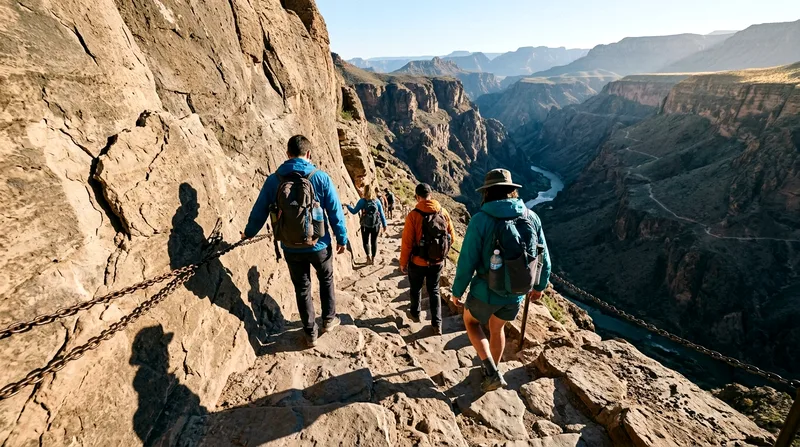
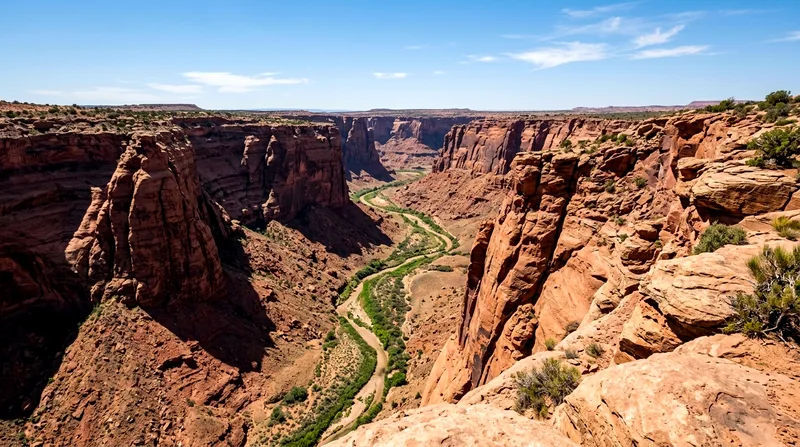
This is the longest and most demanding day of the itinerary, and it's the one most people underestimate. Watarrka National Park, home to Kings Canyon, is about 300 km from Yulara — a 3 to 3.5 hour drive each way on sealed roads via the Lasseter and Luritja Highways. Doing it as a single long day trip means close to 7 hours of driving on top of the walk itself.
Morning and Afternoon
Leave Yulara by 5:30-6:00 AM to reach Kings Canyon in time for a cooler start on the Rim Walk, a 6 km loop that takes 3-4 hours and is rated moderate to difficult — it opens with a steep, uneven staircase nicknamed "Heart Attack Hill" climbing about 100 meters in the first 20 minutes. Gates close to walkers after 9 AM in the hottest months (roughly October to March) for safety reasons, so timing matters more here than almost anywhere else on this itinerary. If the Rim Walk feels too strenuous, the Kings Creek Walk is a flat, shaded 2.6 km return option into the canyon floor, taking about an hour. Compared with the Uluru base walk, the Rim Walk has real elevation and exposed rock scrambling — it's a different kind of day, and not one for anyone with knee or balance issues.
Evening
Drive back to Yulara in the afternoon, arriving by early evening tired but with daylight to spare. If the return drive feels too much, consider breaking the day into an overnight at Kings Canyon Resort near Watarrka instead of a round trip — it adds a night away from Yulara but removes the fatigue of 7 hours of driving in one day. Many guided Uluru Kings Canyon tours run this leg as a structured day tour with a driver-guide, which is worth booking if you'd rather not navigate the highway yourself after an early start.
Day 3: Kata Tjuta and Departure
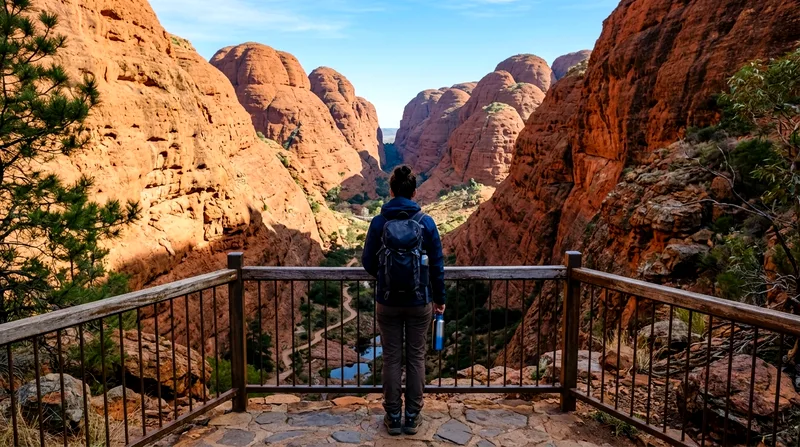
Kata Tjuta, also called The Olgas, sits about 45 km from Yulara — a 30-40 minute drive — and gets a fraction of the visitors Uluru does despite being, in many travelers' opinion, the more striking formation up close.
Morning and Afternoon
Get to Kata Tjuta for sunrise if you can; the car park and viewing area are far less crowded than Uluru's equivalent spots, and the light on the 36 domes is just as dramatic. Walk the Valley of the Winds, a 7.4 km loop through the gorges taking 3-4 hours, rated moderate with some rocky, uneven sections — it's closed past 11 AM when forecast temperatures exceed 36°C, so check conditions before you set out. If you're short on time or energy, the Walpa Gorge walk is a shorter 2.6 km return option, roughly an hour, with a gentler incline between two of the tallest domes.
Afternoon and Evening
Head back to Yulara by early afternoon to pack and rest before your flight, or extend the day with a visit to the Uluru-Kata Tjuta Cultural Centre, which covers Anangu culture and the traditional owners' relationship with the land — it's free to enter and worth 45 minutes to an hour. Most flights out of Ayers Rock Airport depart in the afternoon or evening, which leaves a comfortable buffer. If your itinerary allows a fourth day, this is where to add it — splitting Kata Tjuta and departure across two half-days rather than cramming both into one.
Getting Around Uluru
Self-driving is the most flexible option for this itinerary, and a standard 2WD rental is fine for Uluru, Kata Tjuta and Kings Canyon — all three are reached via sealed roads, so a 4WD isn't necessary unless you're planning extra detours off the highway. Rental cars are available at Ayers Rock Airport, but book ahead; the fleet is small compared with Alice Springs or Darwin, and prices run higher than in major cities.
Guided tours are the alternative, and they make sense particularly for Day 2's Kings Canyon run, where a driver-guide removes the early start and long highway stretch from your plate. Shuttle buses connect Yulara's accommodation precincts to the national park entry points and viewing areas, which helps if you're not renting a car but still want to do Uluru and Kata Tjuta independently — though they won't get you to Kings Canyon. Avoid assuming you can hitch rides or rely on ad hoc transport between towns; distances in the Red Centre are large, services are sparse, and there's no train or regular bus link between Yulara and Watarrka.
Where to Base Yourself
Yulara is the only realistic base near Uluru — it's purpose-built to house every type of visitor, from camping grounds to four-star hotels, all within walking distance of each other. Accommodation ranges from the Ayers Rock Campground (powered sites from roughly AUD 45 a night) through mid-range hotel rooms to upscale options with Uluru views from rooms or restaurants. Book well ahead, especially from May to September when cooler temperatures draw the biggest crowds — rooms sell out weeks in advance in peak season, and Yulara has no overflow town nearby to fall back on.
For Day 2, you have a choice: stay in Yulara for all three nights and do Kings Canyon as a long day trip, or add a one-night stay at Kings Canyon Resort near Watarrka National Park to break up the drive. The latter adds cost and logistics but means you're not spending 7 hours in a car on the same day as a strenuous rim walk. Compare that against basing out of Alice Springs, which some travelers consider — don't. Alice Springs is about 450 km from Uluru (a 4.5-5 hour drive), too far to use as a base for this itinerary; it's better saved as a separate stop with its own day or two, perhaps combined with the MacDonnell Ranges.
Bookable Experiences and Tours
Booking at least two things ahead matters for this itinerary: your Day 1 sunset experience and your Day 2 Kings Canyon transport. Everything else can be done independently with a rental car and the national park entry pass.
Guided Tours and Operators
Rather than naming specific companies, think in categories: small-group sunrise/sunset tours (usually 3-4 hours, often including a light breakfast or sparkling wine), full-day Kings Canyon tours from Yulara (typically 12-13 hours round trip, including the Rim Walk), and cultural walking tours led by Anangu guides or rangers, which run seasonally and cover bush food, tracking and rock art interpretation. Compare current prices and departure times when booking, since schedules shift with daylight hours across the year.
Activity Options by Day
Day 1 is the sunset viewing booking; Day 2 is the Kings Canyon day tour or transfer; Day 3 is optional — a sunrise tour at Kata Tjuta if you'd rather not self-drive in the dark. Some operators also run astronomy or stargazing sessions in the evenings, worth adding if you're staying a fourth night, since the Red Centre's lack of light pollution makes for some of the clearest night skies you'll see anywhere in Australia.
Frequently asked questions
Can you do Uluru and Kings Canyon in 3 days?
Yes, but Day 2 becomes a long day — about 6-7 hours of driving round trip plus a 3-4 hour walk. It's doable with an early start (5:30-6 AM departure) and works best with a guided day tour or a one-night stay at Kings Canyon Resort to split the drive.
What is the best order to visit Uluru, Kata Tjuta, and Kings Canyon?
Start with Uluru on arrival day since it needs the least driving, tackle Kings Canyon on day two while you're rested, then finish with Kata Tjuta before departure — it's close to Yulara and easy to combine with packing up and catching a flight.
Do you need a 4WD to drive between Uluru and Kings Canyon?
No. The Lasseter and Luritja Highways connecting Yulara to Watarrka National Park are fully sealed, so a standard 2WD rental car is sufficient. A 4WD only matters if you're detouring onto unsealed tracks elsewhere in the Red Centre.
What is the best time of year for a 3-day Uluru trip?
May to September offers the coolest, most comfortable walking temperatures (daytime highs around 20-28°C), which matters most for the Kings Canyon Rim Walk and Valley of the Winds. It's also peak season, so book accommodation and tours well ahead. December to February is hot (often above 38°C), with early-morning-only walking windows.
How much time should you spend at each location?
One afternoon and evening for Uluru on arrival, a full day for Kings Canyon given the drive, and a morning for Kata Tjuta before departure works well. If you can stretch to four days, give Kata Tjuta a full separate day rather than pairing it with travel.