Planning a Uluru camel tour? Compare sunrise and sunset rides, check typical prices, and learn booking tips before visiting the Red Centre.
What Is a Uluru Camel Tour?
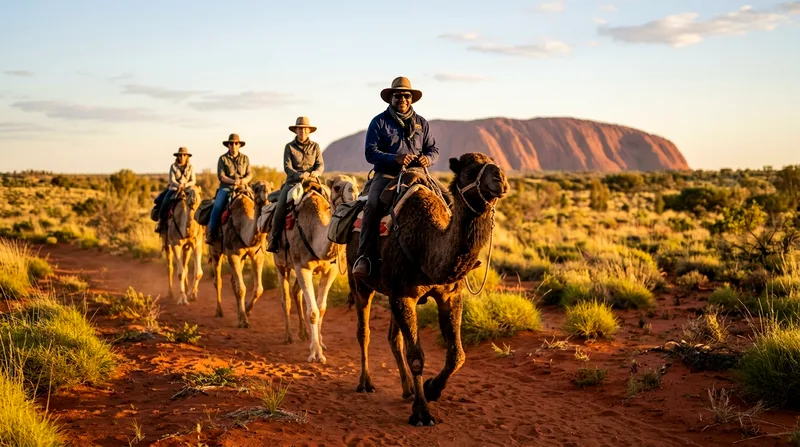
A Uluru camel tour is a guided ride on domesticated camels across the desert plains surrounding Uluru, usually departing from a camel farm a short drive from Ayers Rock Resort. You don't ride up to the base of the rock — camels are kept well back from Uluru itself for cultural and environmental reasons — but you get a wide, open view of the monolith and, on clear days, Kata Tjuta on the horizon too. It's less about proximity and more about perspective: seeing the Red Centre at a camel's eye height and pace, which is slower and quieter than a 4WD tour or coach trip.
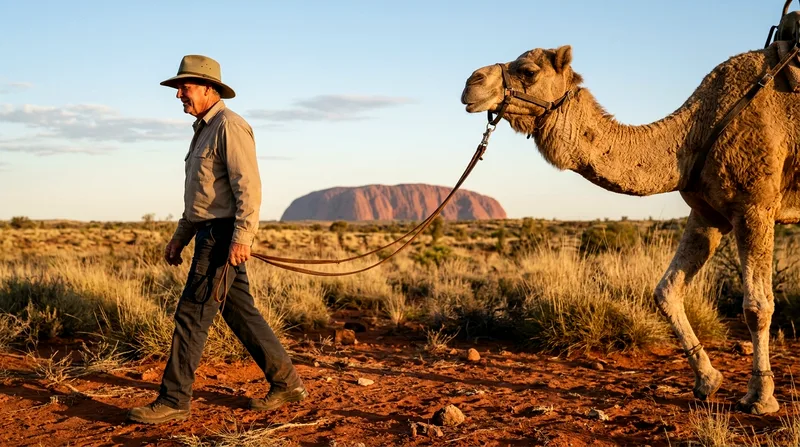
I'd call this an experience activity rather than a sightseeing one. If your main goal is to study Uluru's surface detail, rock art, or waterholes, you're better off doing the Uluru base walk (10.6 km, roughly 3-4 hours on foot) or a guided walking tour with an Aboriginal-led operator. The camel ride gives you context and atmosphere — the scale of the desert, the silhouette of the rock against the sky — more than close-up detail.
Why Camels at Uluru
Camels aren't native to Australia, but they've been part of outback history since the 1840s, imported from India and Afghanistan to help explorers and traders cross the arid interior where horses struggled. Central Australia still has a large feral camel population today, and the camels used in tourist rides are typically trained, domesticated animals rather than wild-caught ones. The novelty draws some visitors in, but there's a genuine historical thread here — camel trains were essential to opening up the Red Centre before rail and road existed, and guides often work this history into the commentary during the ride.
Tour Duration and Distance
Most Uluru camel tours run for about 1 to 1.5 hours total, with the actual riding time closer to 45-60 minutes covering a few kilometers of flat desert track. That's shorter than it sounds once you factor in the briefing, mounting, and dismounting process, which takes a bit of time since camels kneel and rise in stages that can feel abrupt the first time. Don't expect a long trek — this is a scenic loop, not an expedition, and it suits people who want a taste of the experience without committing half a day to it.
Sunrise vs. Sunset: Which Session to Choose
Operators typically run two sessions a day — one timed to catch sunrise, one for sunset — and the choice matters more than you'd think. Both show Uluru changing color as the sun angle shifts, but the experience of sitting on a camel for an hour feels very different depending on which one you pick.
Sunrise sessions suit photographers and cooler conditions, while sunset sessions suit travelers who want a later start and don't mind more warmth.
Uluru camel tour sessions compared: timing, conditions and best use
| Session | Typical Start | Temperature | Best For | Crowd Level |
|---|---|---|---|---|
| Sunrise | Before dawn, ~5-6am | Cool, often low teens °C | Photography, clearer air | Moderate |
| Sunset | Late afternoon | Warmer, especially Oct-Apr | Families, later risers | Higher near dusk |
| Shoulder season (either) | Flexible by month | Mild, 15-25°C range | First-timers wanting comfort | Lower overall |
Typical figures based on Red Centre seasonal averages; exact start times and temperatures vary by month and operator, so confirm when booking.
Sunrise Tours for Photography
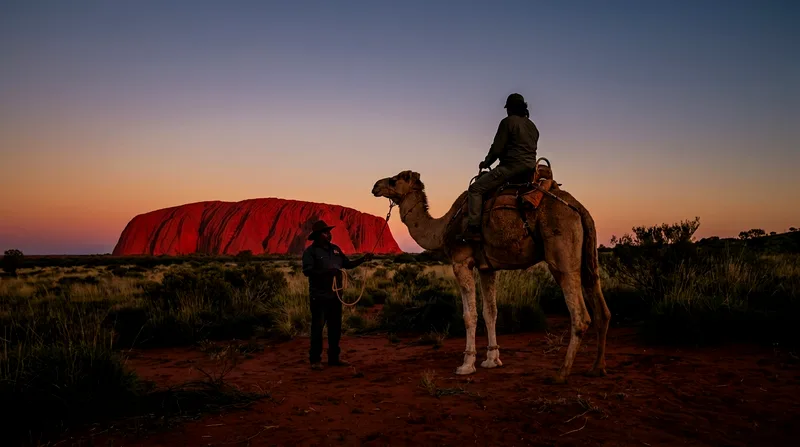
A sunrise camel tour at Uluru means an early start — pickup is often before dawn, sometimes as early as 5am depending on the season — but you're rewarded with cooler temperatures (often in the low-to-mid teens Celsius even in warmer months) and the best light for photography. The rock shifts through shades of deep red, orange, and purple in the first 20-30 minutes after sunrise, and the low sun angle works well for photos that include both the camels and the landscape without harsh shadows. If you're serious about photography, sunrise is the stronger choice — the air is also clearer and less dusty before the day heats up.
Sunset Tours for Comfort
Sunset tours suit people who don't want a pre-dawn wake-up call, and they offer their own version of the color show as the sky turns orange and red behind Uluru. The trade-off is heat — in the warmer months (roughly October to April), afternoon temperatures in the Red Centre can still be high when the tour starts, so you're riding in warmer conditions before it cools down toward dusk. For families with children or older travelers who find early mornings difficult, sunset is usually the more comfortable, practical option, even if the photography window is slightly shorter and more crowded with other tour groups competing for the same angle.
How to Book Your Camel Tour
Camel tours are a popular add-on for anyone staying near Ayers Rock Resort, and that popularity is exactly why you shouldn't leave booking until you land. Sessions have limited capacity — camel strings are usually small groups led by handlers — and sunrise slots in peak season (June to August, when the Red Centre's cooler weather draws the most visitors) can sell out days in advance.
Booking in Advance
Book at least a few days ahead if you're traveling in the cooler, busier months, and ideally a week or more ahead if your trip dates are fixed and you can't be flexible. Shoulder season (April-May, September) is a bit easier to book last-minute, but summer (December-February) sees smaller crowds mainly because of the heat, not because tours are easier to get into — some operators reduce sunset tour frequency in extreme heat for animal welfare reasons. Always check current prices and availability when booking rather than relying on older published figures, since fuel surcharges and seasonal adjustments do shift rates slightly.
Group Sizes and Accessibility
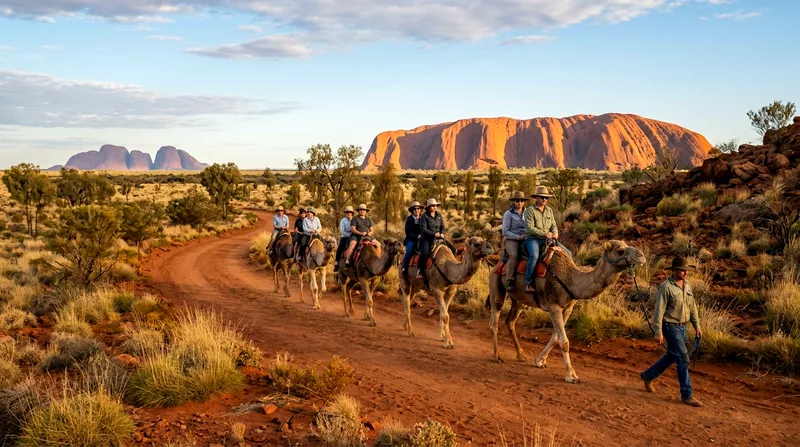
Camel tours typically run in small strings, often fewer than a dozen riders per session, with each camel led by a handler rather than ridden independently — you're not steering. There are weight limits for safety, commonly around 100-120 kg per rider, and minimum age or height requirements that usually rule out very young children (check specifics when booking, as these vary by operator and change periodically). Solo travelers are easily accommodated since camels are paired with handlers, not necessarily with other guests, and couples can usually request to ride near each other but not on a shared camel.
What to Expect on the Day
Expect a short briefing before you mount, covering how camels kneel and rise, basic safety instructions, and a reminder that the handlers control the camel's movement — you're a passenger, not a rider in the equestrian sense. The pace is a slow walk, rocking side to side rather than up and down like a horse, which some people find surprisingly comfortable and others find a bit unsettling for the first five minutes. Guides usually share commentary on the camel history of Central Australia, the surrounding flora, and views of Uluru and Kata Tjuta as you move along the track.
What to Wear and Bring
Dress in layers — desert mornings can sit near 5-10°C in winter (June-August) even though afternoons warm up fast, so a jacket you can remove is more useful than a single heavy layer. Closed-toe shoes are sensible given you're near animals and walking on sandy, sometimes stony ground. Bring a hat, sunscreen, and a water bottle regardless of season; even cool mornings turn sharp once the sun clears the horizon. Leave loose scarves or dangling accessories at the resort — anything that could catch on gear or spook an animal is better left behind. A camera or phone with a wide lens is worth prioritizing over a long zoom, since most of the shots are landscape-scale rather than close detail.
Physical Fitness Requirements
You don't need to be especially fit — this isn't a trek, and most of the physical demand is in mounting and dismounting as the camel kneels and stands in two abrupt stages. That said, people with hip, knee, or back conditions should think carefully, since the jolt when a camel rises can be uncomfortable, and getting on and off isn't always graceful. Pregnant travelers and anyone with significant mobility restrictions should check directly with the operator before booking, since most set clear exclusions for safety rather than leaving it to guest discretion.
Pricing and What's Included
Uluru camel ride prices vary by session length, time of day, and whether you add extras, but as a rough guide, a standard one-hour camel experience commonly falls somewhere in the AUD $100-$160 per adult range, with child pricing usually discounted. These are indicative figures only — always compare current prices and book through the resort's activity desk or official tour booking platforms rather than relying on numbers you've seen elsewhere, since rates shift with season and fuel costs.
Standard Tour Costs
The base camel tour typically includes the ride itself, a handler-guided experience, safety briefing, and sometimes a light refreshment (tea, coffee, or a small snack) at the start or end, particularly on sunrise tours. Transport to and from Ayers Rock Resort accommodation is often included or available as an add-on for a modest extra fee — worth checking, since not every tour bundles transfers by default. I'd flag that the per-minute cost of a camel tour is higher than, say, a half-day Uluru base walk tour, which is usually free if you're self-guided or modestly priced if led — so go in understanding you're paying for the camel experience specifically, not just time near the rock.
Premium and Combo Options
Some operators offer longer or premium sessions — extended rides, smaller group sizes, or combined packages pairing the camel tour with a Field of Light viewing or a sit-down dinner under the stars. These combo packages cost more, often significantly, but can work out better value than booking two separate experiences and two separate transfers on different evenings. If you're short on nights in the Red Centre, a combo booking is worth comparing directly against doing the camel tour and Field of Light as separate bookings — check the total cost both ways before deciding.
Best Time to Visit and Nearby Experiences
The best time of year for a Uluru camel tour is generally the cooler months, April through September, when daytime temperatures are more comfortable and sunrise starts don't feel quite as brutal. Summer (December-February) in the Red Centre regularly pushes past 38°C, and while camel tours still run, the sunset session in particular can feel like a heat endurance test rather than a relaxed ride.
Seasonal Considerations
Winter nights can drop close to freezing, so a sunrise tour in July means rugging up more than you'd expect for a desert destination. Spring and autumn shoulder seasons (March-April, September-October) often hit the sweet spot — mild days, manageable mornings, and slightly thinner crowds than the June-August peak. If your trip also includes Kings Canyon or the MacDonnell Ranges near Alice Springs, note that temperatures there track similarly, so plan outdoor activities for mornings across the whole Red Centre leg of your trip, not just at Uluru.
Combining with Field of Light
Field of Light, the illuminated art installation of solar-powered stem lights spread across a desert field near Uluru, pairs naturally with a camel tour because both work best around dawn or dusk. A common itinerary is a sunset camel ride followed by a Field of Light viewing after dark, or a Field of Light sunrise viewing followed by breakfast and a later camel session. Compare current prices and availability for combo tickets versus booking each separately — combo pricing isn't always cheaper, but it does simplify transfers on a tight schedule. If you have extra days, round out the Red Centre itinerary with a day trip to Kata Tjuta's Valley of the Winds walk or a longer excursion out to Kings Canyon, both offering a different kind of desert landscape than the flat plains around the camel farm.
Frequently asked questions
How long is a typical Uluru camel tour?
Most sessions run 1 to 1.5 hours door-to-door, with actual riding time around 45-60 minutes over a few kilometers of flat desert track. Factor in time for the safety briefing and mounting/dismounting, which adds 15-20 minutes on either end. It's a short, scenic activity rather than a long trek — don't book it expecting half a day of riding.
What is the best time of day for camel tours at Uluru?
Sunrise is best for photography and cooler temperatures, with light hitting Uluru in shifting reds and oranges in the first half hour after dawn. Sunset suits travelers who prefer a later start and don't mind warmer conditions, especially outside the June-August cooler months. Both run year-round, so pick based on your tolerance for early mornings versus heat.
Can I combine a camel tour with Field of Light?
Yes — many visitors pair a sunset camel ride with a Field of Light viewing the same evening, or do a Field of Light sunrise session followed by a later camel tour. Some operators sell combo packages bundling both plus transfers, which can simplify logistics even if it's not always cheaper than booking separately. Compare total costs both ways before deciding.
What should I wear on a camel tour?
Dress in layers, since Red Centre mornings can sit near 5-10°C in winter before warming quickly once the sun's up. Wear closed-toe shoes, bring a hat and sunscreen regardless of season, and avoid loose scarves or dangling jewelry that could catch on gear. A water bottle is worth carrying even on short rides.
Are camel tours suitable for children and elderly visitors?
Generally yes, but check the operator's minimum age, height, and weight requirements before booking, since these vary and typically rule out very young children. Elderly visitors without significant mobility or back issues usually manage fine, since the pace is slow and handlers control the camel. Anyone with hip, knee, or back conditions should ask directly about the mounting and dismounting process first.