Compare an Uluru tour from Alice Springs by duration, price range, and inclusions. Day trips vs multi-day packages, explained for every traveler type.
Who Each Tour Type Suits Best
An Uluru tour from Alice Springs isn't a single product — it's a category that ranges from a 13-hour bus day with two hours at the rock, to five-day Red Centre circuits that take in Kings Canyon and Kata Tjuta as well. The right choice depends less on how much you love Uluru and more on how much time and money you're actually willing to spend getting there and back.
Alice Springs sits about 450 km (roughly 280 miles) from Uluru by road, a drive of 5 to 5.5 hours each way on a sealed highway. That number alone should shape your decision. A day tour means close to 10-11 hours on a coach or in a 4WD for a visit that might only leave 3-4 hours at the actual site. Families with young children often find that math brutal; retirees and couples on a slower schedule frequently feel the same.
Multi-day packages spread that driving out, add a night or two at Yulara (the resort township near the rock), and build in time for both sunrise and sunset viewing, a base walk, and sometimes Kata Tjuta or Kings Canyon as well. They cost more and demand more vacation days, but they're the only realistic way to see Uluru properly rather than in a rushed pass-through.
Budget-conscious travelers
If cost is the deciding factor, a one-day coach tour from Alice Springs is typically the cheapest way to see Uluru, usually running a few hundred Australian dollars per person including transport, a guide, and sometimes a boxed lunch. That's a real saving over a 2-day package, which adds accommodation and extra meals. But understand the trade-off: you're paying for a long day of driving with a short window at the rock, often timed around a single sunset rather than both sunrise and sunset. Backpackers and solo travelers on tight budgets can make this work by pairing the day tour with a cheap dorm stay in Alice Springs rather than overnighting at Yulara, where accommodation runs notably higher. Watch for operators that pad the itinerary with roadhouse stops that eat into your time at Uluru itself — check the stated hours "at the rock" before booking, not just total tour duration.
Adventure seekers and photographers
Photographers chasing the color-change moment at sunrise or sunset need more than a single evening stop. A 2 or 3-day package that includes both a sunrise viewing (ideally from a dedicated viewing area, not a crowded car park) and a separate sunset session gives you two chances at different light and weather. Add the Valley of the Winds walk at Kata Tjuta, roughly 7.4 km and 3-4 hours, and you've got a trip worth the extra gear weight. Serious adventure travelers should also look at itineraries that extend to Kings Canyon and its Rim Walk, a 6 km loop with a steep initial climb that rewards with some of the Red Centre's best canyon views. Single-day tours almost never include Kings Canyon because of the extra distance — if that's on your list, you need at least a 3-day itinerary or a separate trip from Alice Springs.
Day Tours vs Multi-Day Packages
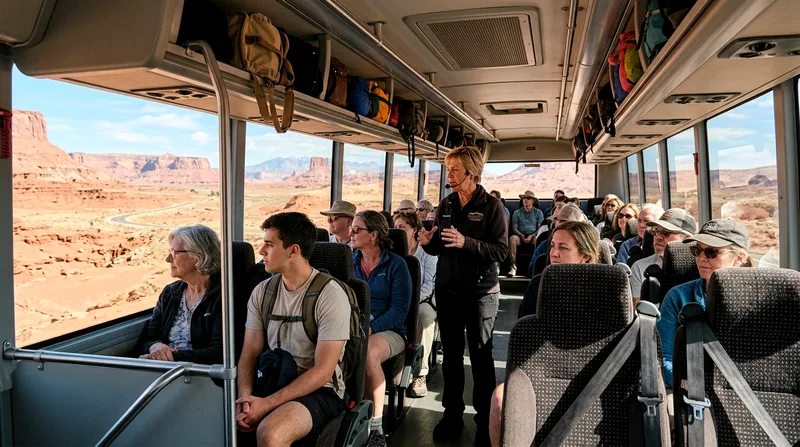
The core decision for anyone booking an Uluru day tour from Alice Springs versus a multi-day package comes down to three things: how much driving you can tolerate in one day, whether you want both sunrise and sunset, and whether Kata Tjuta matters to you as much as Uluru itself. Day trips solve the time problem by cutting almost everything except the headline sight. Multi-day trips solve the experience problem by giving you breathing room, but they cost more in both dollars and days off work.
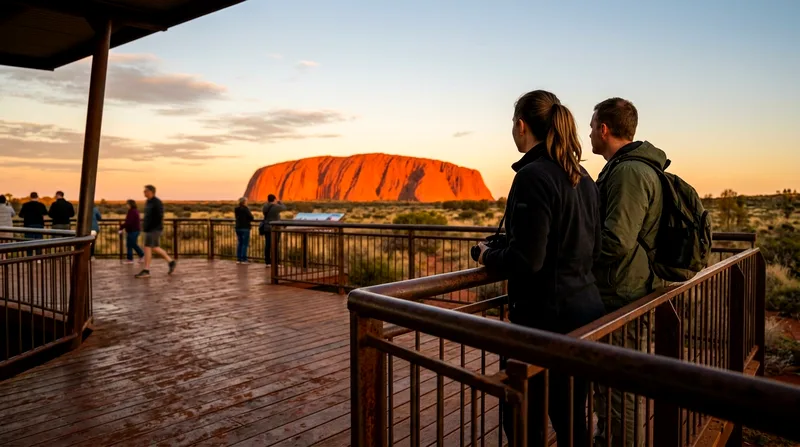
I'd steer most first-time visitors away from the single-day option unless their schedule genuinely has no flexibility — a stopover of one night in Sydney or Melbourne before flying home, for example. The sheer amount of bus time relative to rock time makes day tours feel more like a logistics exercise than a visit to one of the most significant natural and cultural sites in the Northern Territory.
One-day itineraries and logistics
A typical one-day Alice Springs to Uluru day trip departs before dawn — often around 5:00-6:00 am — to make the most of daylight, and returns to Alice Springs around 9:00-10:00 pm. Expect roughly 9-10 hours of that day spent in transit, leaving 3-5 hours at Uluru itself, usually split between a short guided walk segment at the base, free time, and a single sunset viewing with sparkling wine or juice (a near-universal inclusion across operators). Some day tours fly one-way into Ayers Rock Airport (Connellan) and bus the other direction, cutting total travel time to around 4-5 hours total — worth checking for, since it significantly changes the day's pace, though it adds cost. If you book a pure road day trip, be honest with yourself about fatigue: a 19-hour day including a 4 am wake-up is tough for seniors, young kids, and anyone recovering from jet lag after a long-haul flight into Australia.
Two- and three-day experiences
Two-day tours generally overnight at Yulara, either in budget cabin-style accommodation or a permanent tent camp, and split the Uluru and Kata Tjuta activities across two mornings or evenings — meaning you get both a sunrise and a sunset instead of just one. Three-day itineraries typically add Kings Canyon and the Watarrka National Park region, turning the trip into a genuine Red Centre tour covering three of the Northern Territory's signature landscapes rather than one. Expect more walking across these itineraries — the Uluru base walk is about 10.6 km if done in full, though most tours do shorter guided segments. The extra nights mean extra cost, naturally, and camping-style multi-day tours (swag under the stars, shared cooking duties) suit adventure travelers and backpackers far more than they suit couples wanting a quiet, comfortable trip — if that's you, look specifically for packages that use hotel or glamping-style accommodation at Yulara instead.
Key Booking Factors to Compare
Beyond duration, the details buried in the fine print separate a good Uluru tour from a disappointing one. Group size, meal inclusions, and cancellation terms matter more than the headline itinerary, because two tours with an identical day-by-day plan can feel completely different depending on how many people you're sharing a guide and a viewing platform with.
Inclusions and meal options
Alice Springs Uluru tour inclusions vary a lot more than operators' marketing suggests. National park entry — currently required for all visitors and valid for three consecutive days — is included in most packaged tours, but always confirm this rather than assume it, since paying it twice (once in your tour price, once at the gate) is a common complaint. Meals range from a basic packed lunch and billy tea to full bush-tucker-inspired dinners with Aboriginal guides explaining Tjukurpa (creation stories) around a campfire — the latter is worth seeking out specifically, since cultural interpretation is what separates a transport service from an actual cultural experience. Budget tours often include breakfast and a light lunch but leave dinner as an extra cost; check this before assuming "all-inclusive" means all three meals.
Group size and cancellation policies
Small-group tours, often capped around 10-20 passengers in a mid-sized coach or 4WD, give you more flexibility at stops and a better chance of actually hearing your guide at the base walk. Large coach tours, sometimes 40-plus passengers, are usually cheaper but mean queuing at toilet stops and crowding at sunset viewing areas — a real downside if photography matters to you. On cancellations, look for operators offering full refunds up to 24-48 hours before departure, since Red Centre weather (extreme heat closures in summer, occasional flooding after rare rain) can force itinerary changes with little notice. Always read what happens if the tour is cancelled due to weather rather than by you — some only offer a credit, not a refund, and that distinction matters if you're on a tight trip schedule through Darwin, Kakadu, or Coober Pedy afterward.
When and How to Book Your Tour
Timing your booking well saves money and avoids disappointment, particularly for sunrise and sunset time slots, which are capped by the national park's viewing area capacity during peak periods.
Best seasons and advance booking
The cooler months from May to September are the most popular time to visit Uluru, with daytime temperatures typically in the low-to-mid 20s°C (70s°F) rather than summer's regular 40°C-plus (104°F+) days that can trigger walking track closures by mid-morning. Book 2-3 months ahead for a May-September trip, especially around the June-July school holiday period when Yulara accommodation fills up and day tour seats go fast. Shoulder months — April and October — offer a reasonable compromise: fewer crowds, still-manageable heat, and more last-minute availability. Summer (December-February) tours are cheaper and easier to book close to departure, but expect early starts to beat the heat and a real chance that afternoon base walks get cancelled on the hottest days.
Direct vs third-party platforms
Booking directly with a tour operator sometimes gets you more flexibility on date changes, while third-party booking platforms often show a wider range of operators side by side, which makes comparing inclusions and group sizes far easier when you're not familiar with the Alice Springs market. Whichever route you take, check recent reviews for mentions of guide quality and whether the "cultural experience" promised in the listing was substantive or just a five-minute mention — Aboriginal-led or Aboriginal-guided experiences specifically (rather than a non-Indigenous guide paraphrasing information) tend to get noticeably better feedback. Compare current prices and reviews on your booking platform before confirming — prices shift with season and fuel surcharges, and the figures quoted in brochures are rarely what you pay in peak July.
Tour Categories Comparison Table
Here's how the main categories stack up against each other on the factors that actually affect your decision — time away from Alice Springs, what's realistically included, and who tends to be happiest with the choice afterward.
A single-day tour is the cheapest way to see Uluru from Alice Springs, but a 2-3 day package is the only way to get both sunrise and sunset plus Kata Tjuta or Kings Canyon.
Uluru tour from Alice Springs: categories compared by duration, inclusions, and fit
| Tour Type | Typical Duration | Sunrise & Sunset | Typical Inclusions | Best For |
|---|---|---|---|---|
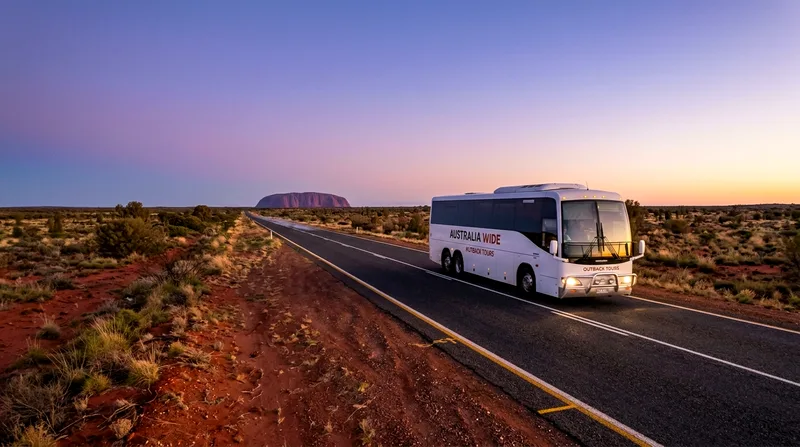
| One-day coach tour | 10-19 hrs round trip (same day) | One only (usually sunset) | Transport, guide, national park entry, light meal | Tight budgets, single free day |
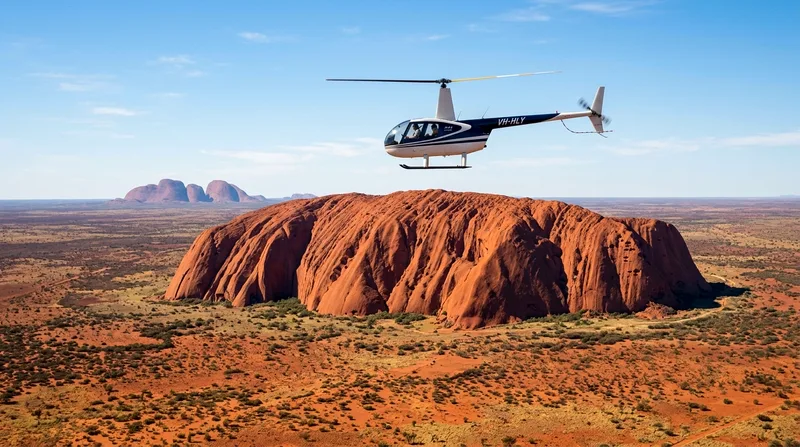
| One-day fly/drive combo | 4-9 hrs travel, longer at site | One, sometimes both | Flight or one-way transfer, guide, meals vary | Travelers short on time, higher budget |
| 2-day package | 1 night at Yulara | Both sunrise and sunset | Accommodation, some meals, Uluru + Kata Tjuta | Couples, families, first-timers |
| 3-day Red Centre tour | 2 nights, Uluru + Kata Tjuta + Kings Canyon | Both, often twice | Accommodation, most meals, multiple guided walks | Adventure travelers, photographers |
| Private/small-group tour | Flexible, 1-5+ days | Customizable | Varies widely, often premium inclusions | Seniors, solo travelers wanting flexibility, special occasions |
Figures are typical ranges based on standard itineraries; always confirm exact timings, inclusions, and current prices when booking.
Frequently asked questions
How long is the drive from Alice Springs to Uluru?
It's about 450 km (280 miles) one-way on a sealed highway, taking roughly 5 to 5.5 hours by coach or car without stops. Most tours add fuel and toilet breaks, pushing actual travel time closer to 6 hours each way — a key reason day trips feel rushed and multi-day packages feel more relaxed.
What's included in a typical Uluru day tour?
Most day tours include return transport from Alice Springs, a guide, national park entry, and a light meal such as a packed lunch or morning tea. Sunset viewing with a drink (often sparkling wine or juice) is a common inclusion. Dinner, Kata Tjuta extensions, and Kings Canyon are usually not included unless specifically stated.
Are multi-day tours worth the extra cost?
If you want both sunrise and sunset, a proper base walk, and time at Kata Tjuta or Kings Canyon, yes — a 2-3 day package delivers a materially better experience than a single rushed day. If your schedule or budget genuinely can't stretch, a day tour still lets you tick off the essentials, just with less breathing room.
Can you see Uluru sunrise and sunset on a day trip?
Rarely both. Most single-day tours from Alice Springs schedule around one viewing — typically sunset — because the round-trip driving time doesn't allow for an overnight stay near the rock. Tours that combine a one-way flight with a road transfer can sometimes fit both into a longer single day.
What's the difference between group and private tours?
Group tours use shared coaches, often 10-40 passengers, and follow a fixed itinerary and schedule — they're cheaper per person. Private tours use smaller vehicles, offer flexible timing and personalized stops, and suit travelers wanting a quieter pace, but typically cost significantly more per person for the same ground covered.