Planning a Uluru dot painting workshop? Find where to book, class length, pricing guides, what to bring, and what artwork you'll take home.
What Is a Dot Painting Workshop?
A Uluru dot painting workshop is a guided session, usually one to two hours, where visitors learn the technique behind Aboriginal dot art and produce their own small canvas or board to take home. It's not a replica of a ceremonial practice — it's an introductory art class, pitched at travelers with zero painting background, that uses dot technique as a doorway into broader conversation about Anangu culture and Country.
Most sessions near Uluru are run by, or in partnership with, local art centres and Aboriginal-owned enterprises based in Yulara and the surrounding Northern Territory region. That distinction matters. A workshop led by or developed with Anangu artists will talk honestly about what dot painting can and can't communicate to outsiders — some stories and symbols are restricted, tied to specific family lines or ceremonial knowledge, and instructors will say so rather than pretend otherwise. I'd treat that honesty as a quality signal. If a workshop claims to teach you "ancient Dreamtime secrets" in 90 minutes, be skeptical.
Aboriginal art heritage and symbolism
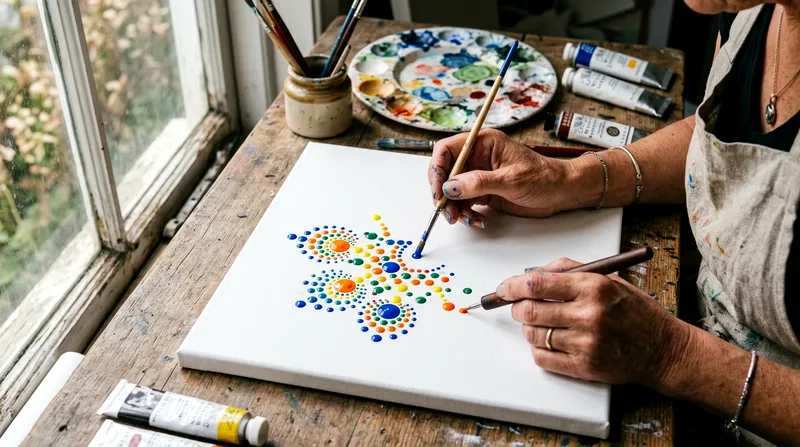
Dot painting as a visible art form is relatively recent — it developed from the 1970s onward, notably around the Papunya community west of Alice Springs, as artists translated sand drawings and body painting designs onto canvas for sale. The dots themselves often served (and still serve) a practical purpose: layering dots over a design could obscure sacred details from eyes that shouldn't see them, while still letting the work circulate publicly. Workshops at Uluru typically explain this history rather than assign specific meanings to symbols, because many motifs are owned by particular artists or communities and aren't meant for casual reproduction. What you'll usually practice is technique — dot spacing, layering, colour building — applied to your own non-sacred design, often inspired by local plants, animals, or landscape shapes rather than restricted iconography.
Why visitors choose this experience
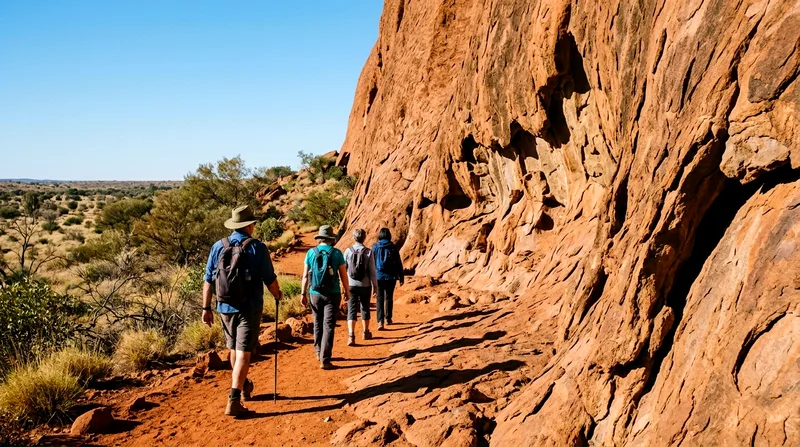
Families like it because it's a sit-down activity after days of walking — useful if you've already done the Uluru base walk or a sunrise camel ride and legs need a rest. Couples and solo travelers often book it as a quieter counterpoint to sunset photography tours, which can feel transactional and crowded. Senior travelers tend to appreciate the pace: unlike a 10km hike around the rock, a painting class involves sitting, talking, and working with your hands for an hour or two, with breaks built in. The honest downside: if you've got limited time in Yulara — say a single overnight stop between Alice Springs and Kings Canyon — a dot painting class competes directly with sunrise/sunset viewing slots, and I'd prioritize the rock itself first.
Where to Book Dot Painting Classes
Two main booking channels exist for a Uluru dot painting workshop: through accommodation-linked activity desks in Yulara, or via the Uluru Cultural Centre near the base of the rock itself. Both are legitimate, but they differ in feel and in how closely tied they are to Anangu-run enterprises.
Resort-based sessions are easier to book on short notice — often same-day or next-day — because they run on a regular schedule tied to the Yulara accommodation precinct. Cultural Centre sessions, where available, tend to book out faster in peak season (roughly May to September) and may require advance reservation through the centre or via the broader Uluru-Kata Tjuta National Park activity network. Always confirm current session times directly rather than assuming a fixed daily slot — schedules shift seasonally and with staffing.
Resort-based classes in Yulara are easiest to book last-minute, while Uluru Cultural Centre sessions offer stronger cultural grounding but less predictable scheduling.
Uluru dot painting workshop options compared: location, booking lead time, and format
| Option | Location | Typical Duration | Booking Lead Time | Best For |
|---|---|---|---|---|
| Yulara resort workshop | Yulara town, on-site at accommodation | 60-90 min | Same-day to next-day | Convenience, short stays |
| Uluru Cultural Centre session | Inside Uluru-Kata Tjuta National Park | 90-120 min | 3-7 days ahead in peak season | Cultural depth, context |
| Private/small group class | Varies by provider, Yulara area | 90-120 min | Advance booking required | Couples, families wanting personal pace |
| Combined bush culture program | Yulara resorts | 2-3 hrs (includes other activities) | 1-2 days ahead | First-time visitors wanting variety |
Typical durations and lead times; confirm current schedules and prices directly when booking, as availability shifts by season.
Yulara resort workshops
Yulara is the small purpose-built town servicing Uluru, about 20km from the rock itself, and it's where almost everyone staying overnight will sleep. Several accommodation properties here run their own art sessions, sometimes under a "bush yarns" or "Anangu culture" program umbrella that also includes didgeridoo demonstrations or boomerang throwing. These are convenient — no transport needed if you're already staying on-site — and usually run in the late afternoon or early evening, avoiding the harsh midday heat. The trade-off: quality and cultural depth vary by provider, so ask directly whether the session is led by an Aboriginal artist or by a general activities host reading from a script. That one question tells you a lot about what you're booking.
Uluru Cultural Centre options
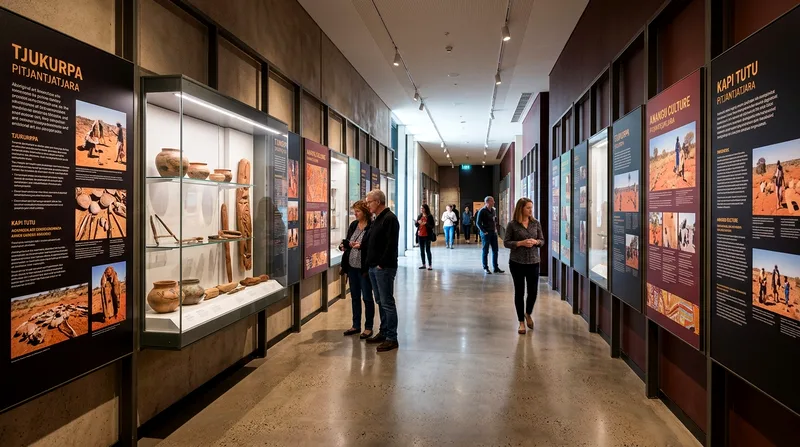
The Uluru Cultural Centre sits just inside the national park, a short drive from the rock, and functions as the educational hub for Anangu culture, with displays on Tjukurpa (law and knowledge) and a gallery selling genuine Aboriginal-made art. Workshops connected to or inspired by the centre tend to carry stronger cultural grounding, since the centre itself exists specifically to represent Anangu perspectives accurately. Entry to the centre is free, but any linked art workshop is a separate paid booking. Check whether sessions are scheduled daily or only on certain days of the week — rotating instructor availability means it's not guaranteed every day, unlike the more reliably scheduled resort classes.
What to Expect: Duration & Format
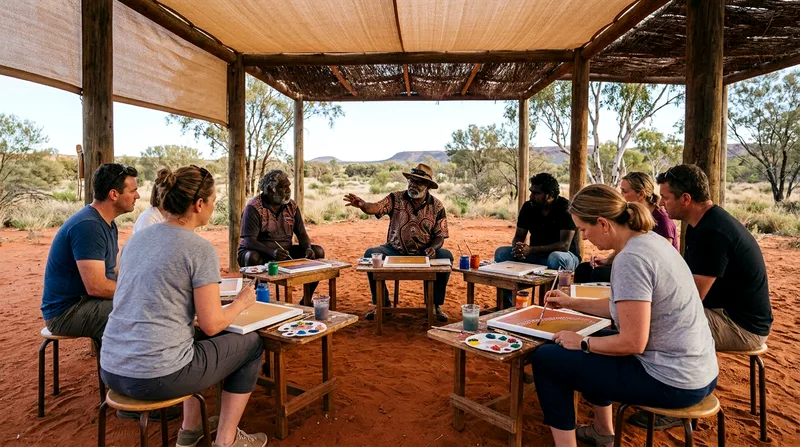
Expect a workshop to run somewhere between 60 and 120 minutes, including a short cultural introduction before painting starts. Groups are usually small — often under 15 people — since instructors need to check in individually as people learn dot spacing and loading a brush or stick with paint. That's noticeably more intimate than a sunset coach tour with 40 strangers on board, and it's one reason I rate the format well for conversation and questions, even if the finished artwork itself is modest.
Class structure and skill level
No prior art experience is assumed or required. Instructors typically start with a demonstration — how to hold the tool, how much paint to load, how dot size changes with pressure — before participants work on their own small canvas, usually 20cm to 30cm square. Designs are often pre-sketched outlines (an animal, a plant, a simple landscape) that you fill in with dot technique, rather than a blank canvas requiring original composition. That's a sensible structure for a one-off tourist class, though if you're after serious artistic challenge, it will feel basic — this is an introduction, not a masterclass.
Materials and instruction style
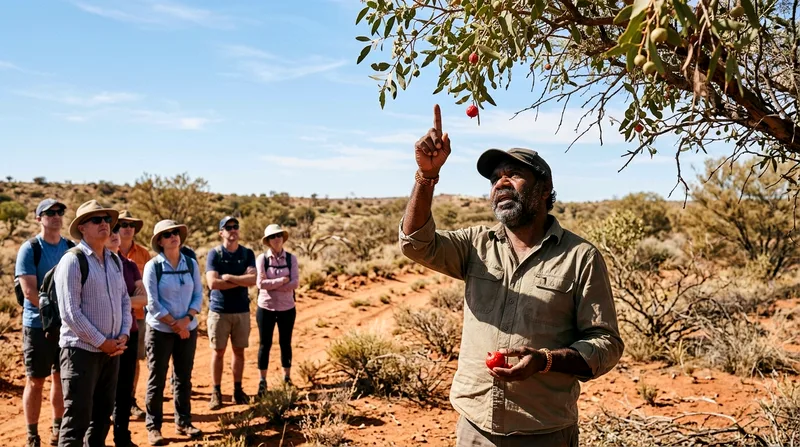
Materials are supplied — acrylic paints, canvas boards, cotton buds or traditional-style sticks for dotting, and aprons or smocks in most cases. Wear clothes you don't mind getting paint on anyway; acrylic dries fast and doesn't always wash out cleanly. Instruction style leans conversational rather than lecture-based: expect stories about Country, bush food, or family art practice woven between technical tips. Ask questions — most instructors expect and welcome them, and it's a better use of the session than silently copying a pattern.
Pricing & What You Take Home
Dot painting workshops at Uluru typically sit in the AU$60–$120 per person range for a standard one-to-two-hour group class, though exact pricing depends on the operator, materials included, and whether it's bundled with another activity like a bush food talk. Private or small-group sessions cost more and need to be arranged directly with the venue in advance. Always check current prices when booking, since rates shift with season and provider — the figures above are a general guide, not a quote.
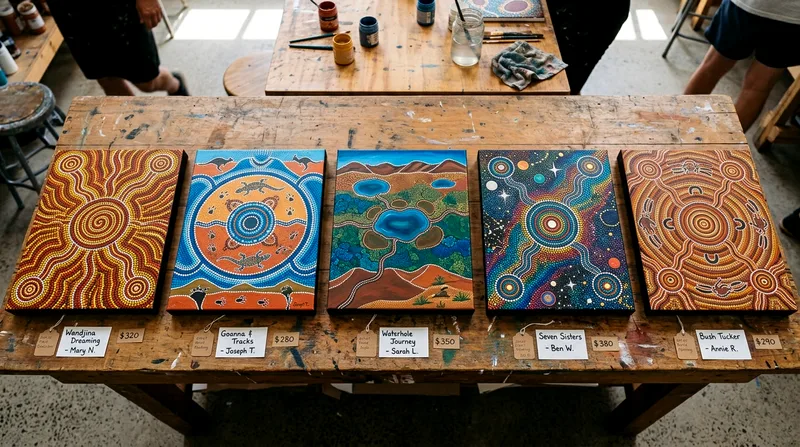
What you take home is your finished canvas or board, generally dry enough to travel with by the time the session ends, though some paints may need another hour or two to fully cure — ask staff for packing advice if you're flying out the same day. Don't expect gallery-quality work; this is a souvenir with a story behind it, not an investment piece. If you want an actual collectible Aboriginal artwork, buy one directly from the Uluru Cultural Centre gallery instead, where sale proceeds generally support the artist and community directly — a meaningfully different transaction from a workshop output.
Best Times to Book & Nearby Add-Ons
Book a dot painting workshop for late afternoon if you can — midday in the Red Centre regularly pushes past 35°C between November and March, and no one paints well while sweating through an un-air-conditioned studio tent. Early evening sessions also let you combine the class with a sunset viewing of Uluru afterward, since many resort venues schedule around that natural break in the day.
Seasonal considerations
Winter months (June through August) bring cooler, more comfortable days — highs often in the low 20s°C — and this is peak tourist season at Uluru, meaning workshops fill faster and should be booked a few days ahead rather than on arrival. Summer (December to February) is quieter and cheaper for accommodation generally, but outdoor-adjacent activities get rescheduled or moved indoors due to heat, so flexibility matters more than strict timing then.
Combining with other Uluru experiences
A dot painting class pairs naturally with a visit to the Uluru Cultural Centre earlier the same day — seeing the exhibits first gives useful context before you pick up a paintbrush. If you're staying longer in the region, it's also worth weighing against other Red Centre experiences competing for your time: a day trip to Kata Tjuta (The Olgas), roughly 40km from Uluru, offers a different cultural and geological story through walking trails rather than a classroom setting, while Kings Canyon in Watarrka National Park is a 3-4 hour drive away and really needs its own overnight stop. Travelers continuing on to Alice Springs or looping through the MacDonnell Ranges sometimes find similar, less touristy art classes run by community art centres there — worth comparing if you have flexible dates, since prices and group sizes vary noticeably between the Yulara tourist circuit and smaller town galleries further afield like those in Alice Springs or even Coober Pedy on a longer Northern Territory–South Australia route.
Frequently asked questions
Do I need art experience to join a dot painting workshop?
No. These are introductory sessions built for complete beginners, including children old enough to manage fine motor control, generally from around age 8 up. Instructors demonstrate technique step by step and most participants are tourists with no painting background at all.
How long does a typical dot painting class last?
Most sessions run 60 to 120 minutes, including a cultural introduction before painting begins. Resort-based classes tend toward the shorter end; Cultural Centre–linked sessions sometimes run longer with more discussion time built in.
Can I book a private or group workshop?
Yes, both formats generally exist. Group classes run on a fixed schedule and cost less per person; private sessions need advance arrangement directly with the venue and suit families or couples wanting a slower, more personal pace.
What happens to the artwork I create?
You take your finished canvas or board home. Acrylic paint is usually dry or near-dry by the session's end, though it's worth asking staff about drying time if you're flying out the same day, since some areas may need another hour to fully set.
Are dot painting workshops available year-round?
Generally yes, but scheduling varies. Winter (June–August) is peak season with more frequent sessions and faster bookouts; summer (December–February) sees fewer outdoor-linked activities due to extreme heat, so classes may move indoors or run on a reduced schedule.