Plan an Uluru bush food tour with native ingredient tastings, Aboriginal-led demonstrations, prices, and family tips before you book.
What Is Bush Food & Why Experience It
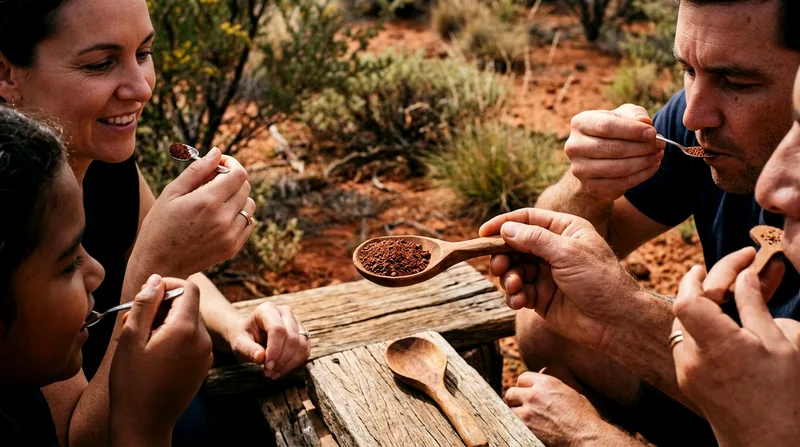
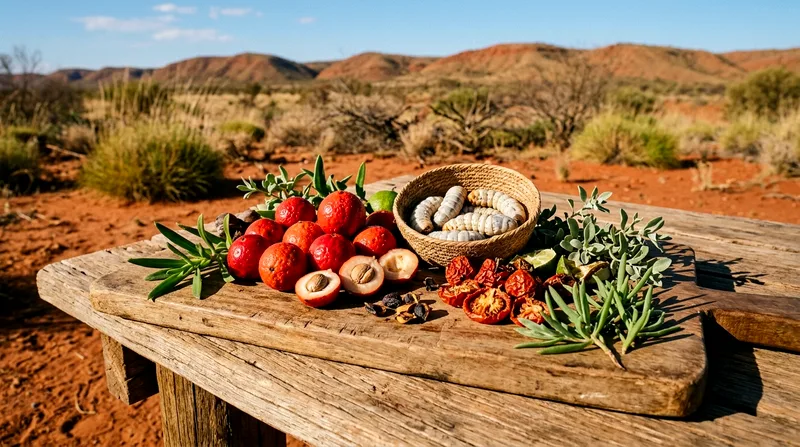
Bush food — often called bush tucker in Australia — refers to native plants, seeds, fruits and sometimes insects that Aboriginal communities have used for food and medicine for tens of thousands of years. Around Uluru and the wider Red Centre, this includes things like quandong (a tart native peach), wattleseed (roasted and ground, tastes faintly of coffee and hazelnut), bush tomato, and witchetty grub, which is harder to find on a tourist menu than you'd think but still comes up in demonstrations.
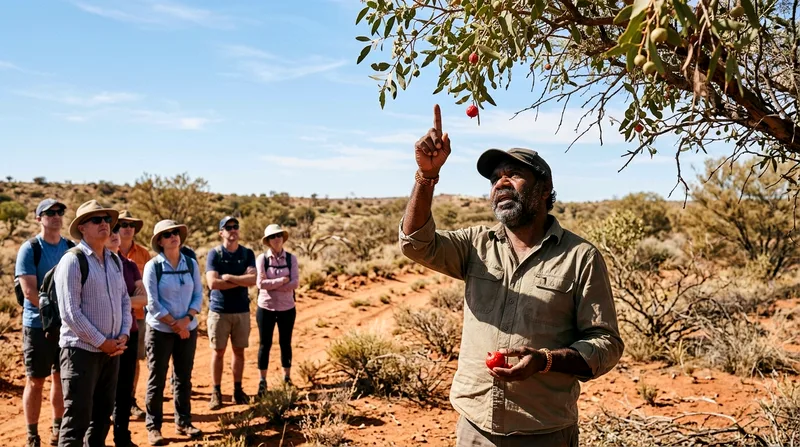
An Uluru bush food tour isn't really about the meal. It's about context — understanding how Anangu people, the traditional owners of the land around Uluru and Kata Tjuta, read the landscape for food sources tied to seasons, rainfall and specific plant cycles. That's a different kind of knowledge than what you'll get from a visitor centre plaque.
Native ingredients and traditional significance
Most tastings center on five or six ingredients repeated across different operators: wattleseed, quandong, bush tomato, lemon myrtle, desert lime and sometimes kangaroo or crocodile as a protein tasting (more common on tours that also reference Kakadu National Park's food traditions, since crocodile isn't a Central Australian desert food). Don't expect a tasting menu with ten courses — most tours offer small portions of three to six items, which is plenty given how intensely flavoured some of these ingredients are. Wattleseed in particular surprises people; it's used in modern Australian cooking well beyond Uluru, including in coffee shops in Alice Springs.
Cultural immersion and hands-on learning
The better tours pair tasting with a short demonstration — grinding seeds with a traditional stone, or explaining how a plant was identified as edible versus medicinal. This is where the "hands-on" claim in marketing actually holds up, or doesn't. If a tour description only promises tasting and no demonstration, you're paying more for less. I'd push back on any tour that frames this purely as a novelty food experience without acknowledging it's tied to a living culture still practiced by Anangu communities today, not a historical reenactment.
Types of Bush Food Tours Available
Bush food experiences at Uluru generally fall into three formats: standalone tasting sessions (45–90 minutes), bush food components folded into a longer cultural walk or sunset tour, and dinner experiences where native ingredients appear as part of a broader outback meal rather than the whole point. The Field of Light Uluru dinner and similar sunset dining events sometimes use native ingredients as a garnish or flavour element rather than the focus — worth knowing if you specifically want a dedicated bush tucker tasting rather than a dinner with a native twist.
Operators based in and around Yulara (the small town servicing Uluru-Kata Tjuta National Park) run most of these, and some — like Outback Pioneers — combine bush food tastings with other activities such as camel tours or sunset viewing, which can be good value if you're short on time.
Guided group tastings and demonstrations
Group tastings are the most common and most affordable format, typically running in groups of 10–30 people with one guide leading a tasting table or walking demonstration. These work well if you're comfortable in a crowd and don't need personal attention — but if you're hoping for a long back-and-forth conversation with the guide, a large group tasting isn't the right pick. Expect a fairly brisk pace: guides usually move through each ingredient in a few minutes before opening up to questions.
Private and family-friendly formats
Smaller or private bush food sessions cost more — sometimes two to three times the group rate — but give you more direct interaction, which matters if you've got kids who ask a lot of questions or want to touch and smell everything before tasting. Some family-oriented tours build in simple hands-on tasks, like grinding seeds or shaping damper (a traditional bread), which holds children's attention far better than a straight lecture format. If you're traveling with young kids, ask specifically whether the tour includes a hands-on component — not all do, despite what the brochure photos suggest.
How to Book & Visit Options
There's no walk-up bush food stand at Uluru — every legitimate tasting experience is run through a booked tour, usually departing from Yulara or combined with pickup from nearby accommodation. Unlike simply driving to the Uluru-Kata Tjuta National Park entry gate (where you pay the park fee and explore independently), bush food tastings require advance booking because they're run as structured sessions with limited guide availability.
Group tastings are the cheapest and most flexible way to try bush tucker at Uluru, while private and dinner-combined formats cost more but offer deeper interaction.
Uluru bush food tour formats compared: duration, group size and cost
| Format | Typical Duration | Group Size | Approx. Price (AUD) | Best For |
|---|---|---|---|---|
| Standalone group tasting | 45–90 min | 10–30 people | $40–$80 | Budget travelers, solo visitors |
| Cultural walk with bush food element | 2–4 hours | 10–25 people | $90–$150 | Travelers wanting broader context |
| Private/family tasting | 45–75 min | 1–8 people | $150–$300+ | Families, small groups, couples |
| Dinner experience with native ingredients | 3–4 hours | 20–60 people | $200–$350+ | Special occasions, sunset dining |
Typical figures based on publicly listed Uluru tour pricing ranges; always confirm current rates and inclusions when booking.
Independent visits vs. guided tours
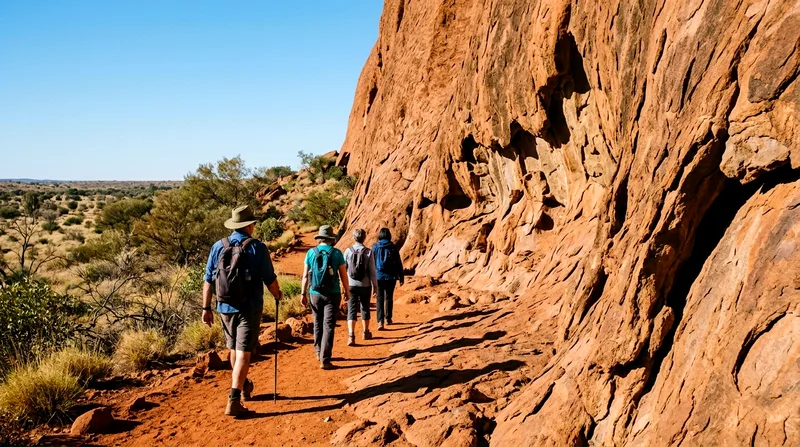
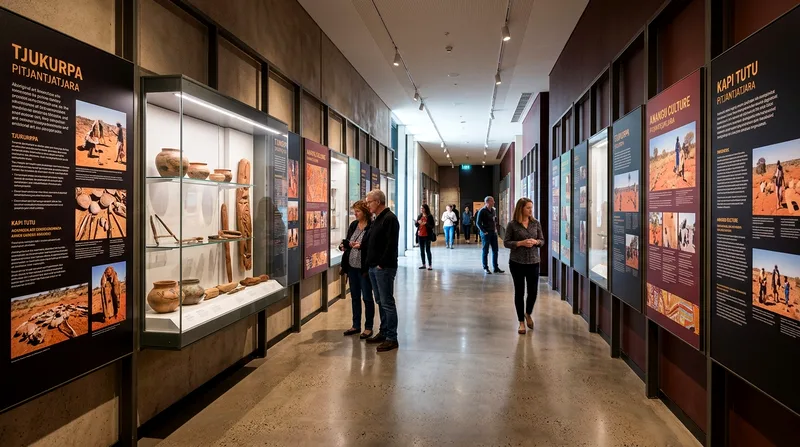
You cannot do a genuine bush food experience independently — , you shouldn't try. Identifying edible versus toxic native plants takes specific knowledge; foraging on your own around Uluru is both legally restricted within the national park and genuinely risky without guidance. The "independent visit" decision here isn't guide vs. no guide, it's which guided format to pick: a dedicated bush food tour, or a broader cultural tour (like a Anangu-led walk around the base of Uluru) that touches on bush food as one element among several, including rock art and Tjukurpa (traditional law and stories).
Booking platforms and tour operators
Most visitors book through their accommodation desk in Yulara, through the Ayers Rock Resort activity booking office, or via online tour marketplaces that list Uluru-based operators. Book at least 2–3 days ahead in shoulder season (April–May, September–October) and a week or more ahead during peak season (June–August), when tour buses fill quickly. Compare current bush food tours and prices before you book, since availability shifts seasonally and some operators pause tastings during extreme heat months.
Tickets, Pricing & What's Included
Bush food tastings are separate from the Uluru-Kata Tjuta National Park entry fee, which runs around AUD $38 per adult for a three-day pass and is not included in most tour prices unless stated. Always check whether the park fee is bundled in — some full-day tours include it, standalone bush food sessions usually don't.
Entry fees and package options
Standalone tasting sessions sit at the lower end of the pricing scale, while anything bundled with sunset viewing, camel riding, or a multi-course dinner climbs quickly. If budget matters, a group tasting at $40–$80 gives you the core experience — the native ingredients, the explanation, the hands-on moment — without paying for extras like transport or a three-course dinner you may not need. I'd avoid the higher-end dinner packages if bush food is your main interest; the tasting portion is often a small part of a much longer, more expensive evening built around the meal and the view, not the ingredients.
What to expect in tastings
Expect small portions — a teaspoon of wattleseed paste, a slice of quandong, maybe a cracker with bush tomato chutney — served on a shared platter or individual tasting boards. Sessions usually run 45 minutes to an hour for the tasting itself, with guides explaining harvesting seasons, preparation methods and sometimes the plant's medicinal use alongside its food use. It's not a meal replacement; eat beforehand if you're doing a standalone tasting around lunchtime.
Best Time to Visit & Family Tips
Timing a bush food tour around Uluru's climate matters more than most visitors expect. Many tastings run outdoors or in semi-shaded areas, so comfort depends heavily on season.
Seasonal considerations and weather
May through September (the Southern Hemisphere's dry season) brings cooler days averaging 20–23°C and is the most comfortable stretch for an outdoor tasting, though mornings can drop close to freezing, so bring a jacket for early sessions. December through February pushes daytime temperatures past 38°C regularly, and some operators shift tastings to early morning or late afternoon slots to avoid the worst heat. If you're also planning stops at Kings Canyon or Kata Tjuta on the same trip, the same seasonal logic applies — book outdoor activities for morning or late afternoon in summer, no exceptions.
Accessibility for children and groups
Children generally handle bush food tastings well since portions are small and guides tend to frame it as a tasting game rather than a formal meal — but very young kids (under 4) may balk at unfamiliar flavours like bush tomato, which has a sharper, more bitter profile than most Western produce. Ask ahead about allergy accommodations; wattleseed and native nuts occasionally trigger reactions in people with tree nut sensitivities, and not every operator has a clear substitution plan. Senior travelers should check whether the format involves standing for the full session — some group tastings are stand-around-a-table format with limited seating.
Frequently asked questions
What is bush tucker and what ingredients are sampled?
Bush tucker refers to native Australian plants and foods traditionally used by Aboriginal communities. At Uluru, typical tasting ingredients include wattleseed (roasted, coffee-like flavour), quandong (tart native peach), bush tomato, desert lime and lemon myrtle. Some tours also discuss witchetty grub and kangaroo, though these appear less often in standard tastings than in demonstrations or broader cultural talks.
Are bush food tours suitable for children and families?
Yes, most are designed for mixed-age groups, with small tasting portions and simple explanations. Look specifically for tours advertising a hands-on element — grinding seeds or shaping damper — since these hold children's attention better than a lecture-style tasting. Check allergy policies beforehand, particularly around native nuts and seeds.
How long do bush food tours typically last?
Standalone tastings run 45–90 minutes. If bush food is folded into a longer cultural walk or sunset dinner experience, total time stretches to 2–4 hours, though the tasting portion itself is usually a small segment of that longer program.
Can you do a bush food experience independently or only with a guide?
Guided only. Foraging independently within Uluru-Kata Tjuta National Park is restricted, and correctly identifying edible native plants requires specific knowledge most visitors don't have. Every legitimate tasting is run as a booked, guided session.
What should you wear and bring to a bush food tour?
Closed shoes, sun hat and sunscreen for outdoor sessions, plus a light jacket for early morning or evening tastings in the cooler months (May–September). Bring water, since many sessions take place outdoors with limited shade, and mention any food allergies when booking rather than on arrival.