Everything on the Uluru National Park pass: coverage, validity periods, approximate cost, and how to buy online or at the gate before you visit.
What Is the Uluru National Park Pass?
The Uluru National Park pass is the entry ticket required to set foot inside Uluru-Kata Tjuta National Park, the protected area in the Northern Territory that contains both Uluru (Ayers Rock) and the domed formations of Kata Tjuta. Without it, you cannot drive past the entry station, walk the base trails, or access any of the lookout car parks — rangers check passes at the gate and periodically within the park itself.
This isn't a park run by a state tourism board selling tickets to pad a budget. Uluru-Kata Tjuta National Park is jointly managed by Parks Australia and the Anangu, the Aboriginal traditional owners of the land, under a lease arrangement that's been in place since the 1980s. Revenue from pass sales goes toward park operations, track maintenance, and cultural programs — a detail worth knowing if you're wondering why a seemingly empty desert landscape charges admission at all.
I'd put this in the same category as entry fees at Kakadu National Park near Darwin — a comparable amount of red tape for a comparable payoff in access to genuinely significant land. If you've been to Kings Canyon in Watarrka National Park, you'll notice that park doesn't charge a separate entry fee at all, which sometimes confuses travelers into assuming Uluru should be free too. It isn't, and the fee structure here is more formal than almost anywhere else in the Red Centre.
Why the pass is mandatory
The pass isn't a soft suggestion like a donation box at a lookout — it's enforced. Rangers conduct spot checks on the access road and at trailheads, and driving in without one risks a fine. Part of the reasoning is practical (funding maintenance of a park that gets serious visitor numbers through the dry season), and part is about managing the cultural sensitivity of the site: controlled access helps Parks Australia and Anangu rangers monitor use of sacred areas, including sections near Uluru where photography is restricted out of respect for Tjukurpa (traditional law and creation stories).
Who manages the park
Parks Australia runs day-to-day operations, rangers, and visitor services, but management decisions are made jointly with the Anangu through a board of management with an Anangu majority. This dual structure shapes practical things you'll notice on the ground — signage that explains Aboriginal cultural context at sites like the Kuniya Walk, ranger-led talks that center Anangu knowledge, and the long-standing climbing ban on Uluru itself, which took effect in 2019 after decades of requests from traditional owners.
What's Included and Excluded
A common mistake is assuming the park pass is an all-access ticket to every experience at Uluru. It isn't — it's purely the admission fee to the national park itself, similar in concept to a national park pass in the US or a site entry ticket in Europe. Everything else — transport, accommodation, tours, cultural experiences — is booked and paid separately.
What your pass covers
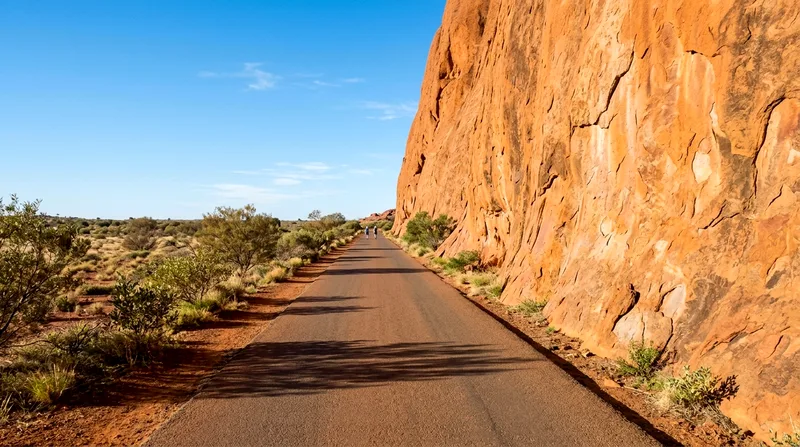
Your pass gets you into the park for the length of its validity, covering self-guided access to the Uluru base walk (around 10.6 km, roughly 3 to 3.5 hours at an easy pace), the Kuniya Walk to Mutitjulu Waterhole (an easy 1 km return walk good for families or anyone short on time), the Kata Tjuta Dune Viewing area, and the Valley of the Winds walk at Kata Tjuta — a tougher 7.4 km loop with some rocky, uneven sections that's best avoided in the middle of a hot day. It also covers entry to the Cultural Centre near Uluru, which is free to enter and genuinely worth an hour of your time before you walk — it's where most of the Tjukurpa and Anangu history is explained properly, rather than through a rushed sign at a car park.
What requires separate booking
The pass does not cover accommodation at Ayers Rock Resort (Yulara), coach or shuttle transfers, guided tours, the Field of Light installation, sunrise/sunset camel tours, segway tours, or any ranger-guided walks that carry an additional fee. It also doesn't include transport into the park — you'll need your own hire car, a coach tour, or a shuttle, since there's no public bus running from Alice Springs (about 450 km away, roughly a 5-hour drive). If you're weighing Uluru against a stop in Alice Springs or the MacDonnell Ranges, factor in that those additional transport and tour costs often add up to more than the park pass itself.
Pass Options and Validity Periods
Parks Australia keeps the pass structure fairly simple compared to multi-tier systems you might find at national parks elsewhere. There are essentially two validity options, and most visitors should think carefully about which one actually matches their itinerary rather than defaulting to the cheapest.
The three-day pass costs the same as the single-day pass in most published pricing, making it the better default choice for nearly everyone.
Uluru National Park pass options compared: validity, cost, and best use
| Pass Type | Validity | Approx. Adult Price (AUD) | Best For |
|---|---|---|---|
| Single-day pass | 24 hours from first entry | ~38 | Short stopovers, one sunset only |
| Three-day pass | 3 consecutive days | ~38 | Most visitors, sunrise + sunset + Kata Tjuta |
| Concession pass | Same as standard validity | Reduced rate | Seniors, students with valid ID |
| Child pass (under 18) | Same as standard validity | Free | Families traveling with kids |
Prices are approximate and periodically reviewed by Parks Australia — confirm current rates on the official website before you travel.
Single-day pass details
A single-day pass covers entry for 24 hours from first use. It's genuinely only worth it if you're on a tight stopover — say, a flight into Ayers Rock Airport, a few hours at the Uluru base and a sunset viewing, then straight back out. I wouldn't recommend this option for most travelers; you'll likely regret not having time for both Uluru and Kata Tjuta, and sunrise at one of the dedicated viewing areas is hard to fit in if you arrived the same afternoon. Adult pricing is published around AUD 38, with concession and child rates lower — always confirm the current figure on the Parks Australia website before booking, since fees are periodically reviewed.
Multi-day pass benefits
The three-day pass is the standard option and, frankly, the one almost everyone should buy. It costs the same as the single-day pass — around AUD 38 for an adult, last published — which makes the single-day option look like poor value by comparison. Three days gives you enough time for a sunrise viewing, a full Uluru base walk, a separate half-day at Kata Tjuta for the Valley of the Winds, and a buffer day in case of heat, rain, or just wanting to see Uluru's colors change at both sunrise and sunset. Families and photographers in particular get far more value stretching one pass across three days than squeezing everything into one rushed visit.
Where and How to Buy Your Pass
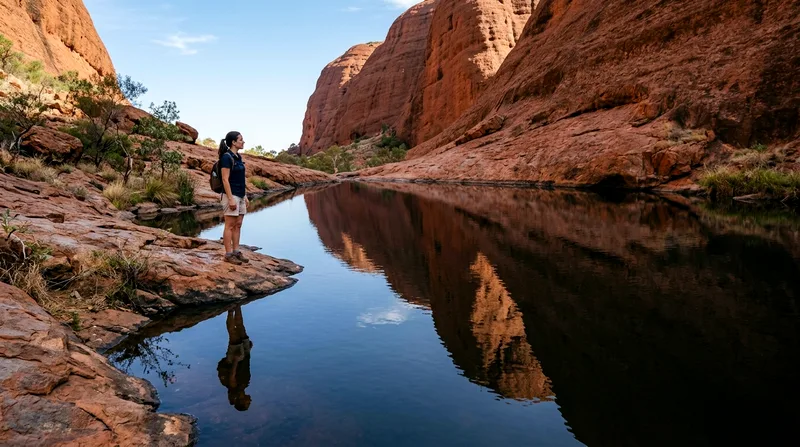
Buying ahead isn't just a convenience here — it genuinely saves time, especially if you're arriving early for sunrise when the entry station can back up with coach traffic.
Online purchase options
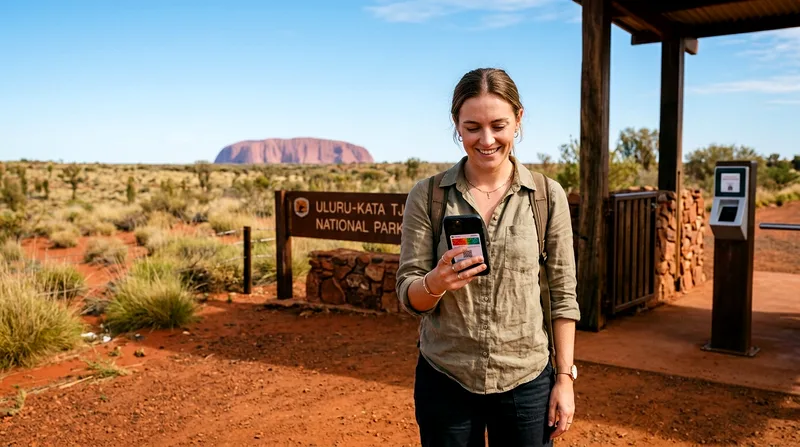
The official channel is the Parks Australia website, where you select your pass type, validity, and number of travelers, then receive a digital pass by email, viewable on your phone. This is the method I'd recommend for nearly every traveler — you avoid the gate line entirely, and rangers scan the digital copy directly from your screen. Some coach tour operators and the Ayers Rock Resort booking system also bundle the park pass into package pricing; read the fine print carefully, since it's easy to accidentally pay for the pass twice if you've booked a tour that claims to include it.
Gate purchase and payment methods
You can still buy a pass in person at the park entry station, which accepts card payment (cash isn't guaranteed to be accepted, so don't rely on it). The drawback is queuing — during peak season, roughly May through September when temperatures are milder and visitor numbers from Europe and interstate Australia spike, the gate line can add 20 to 30 minutes to your morning, which matters if you're chasing a specific sunrise time. Off-season, through the hotter months of December to February, queues are shorter but the heat itself becomes the bigger obstacle to enjoying the walks.
Is It Worth It by Traveller Type?
The pass is mandatory, so "worth it" really means "which validity and approach suits you" — and that answer changes a lot depending on who's traveling.
Day trippers and sunrise viewers
If you're flying in and out the same day, or driving up from Alice Springs on a long day trip, the single-day pass technically does the job, but you're trading a lot of flexibility for a marginal saving. Solo travelers and couples on tight schedules are the main group I'd actually suggest it for — you can realistically do one sunrise or sunset session, the Uluru base walk, and the Cultural Centre within 24 hours if you're organized. Families with young kids should generally avoid cramming all of that into one day; the heat and walking distance add up fast with children in tow.
Multi-day explorers and photographers
For photographers, senior travelers wanting a slower pace, and anyone combining Uluru with a wider Red Centre trip, the three-day pass is the clear choice. It lets you shoot sunrise on one day and sunset at a different vantage point the next, build in a rest day around the heat, and still get to Kata Tjuta without rushing the Valley of the Winds walk, which deserves a cooler morning start rather than a late-afternoon squeeze. If your itinerary also includes Kings Canyon or a loop through the MacDonnell Ranges out of Alice Springs, the extra validity window means you're not paying twice for a second visit if plans shift by a day.
Frequently asked questions
How long is the Uluru National Park pass valid?
Most visitors buy the three-day pass, valid for three consecutive days from first use. A single-day pass covering 24 hours is also available but suits only very short visits, since it often costs the same as the three-day option in published pricing.
Can I buy a pass at the gate or must I book online?
Both are possible. Buying online through the Parks Australia website gets you a digital pass by email and avoids the gate queue, which can run 20-30 minutes during peak season (roughly May to September). Gate purchases accept card payment; don't count on cash being accepted.
What's the difference between a single-day and multi-day pass?
The single-day pass covers 24 hours from first entry, while the three-day pass covers three consecutive days — often at the same published price. The three-day option gives you time for sunrise, sunset, the Uluru base walk, and a separate visit to Kata Tjuta without rushing.
Are there discounts for families or concession card holders?
Children under 18 typically enter free with a paying adult, and concession rates apply for valid seniors or student ID holders. Exact concession pricing and proof-of-ID requirements are listed on the official Parks Australia booking page — check before you travel.
Does the pass include guided tours or ranger activities?
No. The pass only covers entry to the park, the self-guided walks (Uluru base walk, Kuniya Walk, Valley of the Winds), and the Cultural Centre. Guided tours, camel rides, Field of Light visits, and transfers are booked and paid separately.