Book Kata Tjuta tours with guides or self-drive. Valley of the Winds & Walpa Gorge trails, tickets, difficulty ratings & best times to visit.
What is Kata Tjuta and why visit
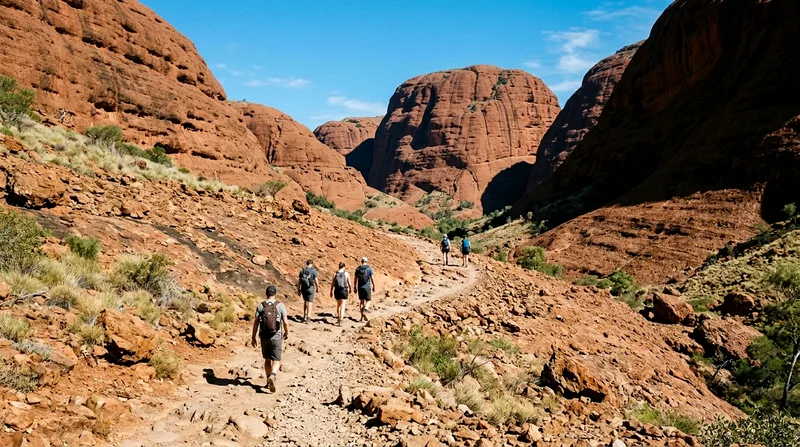
Kata Tjuta — also called The Olgas — is a group of 36 domed rock formations rising out of the desert about 50 km west of Uluru, inside Uluru-Kata Tjuta National Park. The tallest dome, Mount Olga, reaches 546 metres above the surrounding plain, actually higher than Uluru itself. Most first-time visitors don't know that fact, and it tends to change how seriously they take the visit.
A Kata Tjuta tour gets you closer to the rock than almost any Uluru experience does, because two walking trails — Valley of the Winds and Walpa Gorge — take you directly between the domes rather than around a single monolith from a distance. That's the real draw here: Uluru is iconic from the outside, but Kata Tjuta is an experience you walk through.
I'd rank Kata Tjuta above the Uluru base walk for anyone who likes proper hiking terrain. The base walk is flat and manages crowds well, but it's also repetitive after the first 5 km. Kata Tjuta's trails climb, narrow, and open into valleys that genuinely surprise you — though they're shorter overall, which is worth knowing if you're planning a single day in the park.
Sacred Indigenous landscape
Kata Tjuta is sacred to the Anangu people, the traditional owners of this land, and much of its specific cultural significance is restricted — not published for outsiders, similar to parts of Uluru. Unlike Uluru's summit, there's no climbing debate here because climbing was never permitted. What you can do is walk the formal trails, which were designed with the Anangu to keep visitors on country that can be shared. Signage at the trailheads explains some background, but don't expect a full cultural narrative — for that, a guide with Indigenous-led content, or a stop at the Cultural Centre near Uluru, fills the gap far better than reading a panel at 7am before a hike.
Valley of the Winds and Walpa Gorge
These are the only two walking tracks at Kata Tjuta, and they're quite different experiences. The Valley of the Winds walk is a 7.4 km loop (roughly 3-4 hours) that winds between the domes, climbing to two lookout points — Karu and Karingana. Walpa Gorge is a shorter, there-and-back track, about 2.6 km round trip (45 minutes to an hour), following a creek bed between two of the tallest domes. If you only have time for one, pick based on fitness and heat — more on that below.
Guided tours vs self-drive options
The core decision for most visitors is whether to join a guided Kata Tjuta tour or drive yourselves. Both work, and the right choice depends on your itinerary, your comfort with outback roads, and whether you want cultural interpretation along the way.
Self-driving is straightforward: the sealed road from Yulara to Kata Tjuta takes about 45 minutes, and the car park sits near both trailheads. No permits beyond your park pass are required. The honest trade-off is that you lose the storytelling a guide provides, and you need to be disciplined about turnaround times in hot weather — there's no one to call you back if you're running behind schedule on Valley of the Winds.
Guided tours, usually bundled with Uluru sunrise or sunset and sometimes Kings Canyon or Alice Springs transfers, take the logistics off your hands and usually include a guide explaining Anangu culture, plant use, and geology. They tend to run early morning, timed to beat the heat, which is genuinely the best reason to book one rather than a scheduling convenience.
Guided walking tours
Most Kata Tjuta guided tours depart from Yulara before sunrise and combine the Valley of the Winds walk with a lookout stop for the colour change on the domes. Group sizes vary, but small-group 4WD options exist alongside larger coach tours — smaller groups generally move faster and ask more questions, which matters on a timed trail. Expect a tour of this kind to run 4-6 hours including transfers. Compare this to a Kings Canyon guided walk, which runs longer at 3-4 hours of walking alone — Kata Tjuta's Olgas tour is the shorter, gentler cultural introduction by comparison.
Self-guided and independent visits
If you've hired a car to see Uluru, Kata Tjuta self-drive is easy to add on — it's the same park, same pass, and the road is well-maintained bitumen the whole way. Fill up in Yulara first; there's no fuel at Kata Tjuta. Bring more water than you think you need, since there are no shops or vending machines at either trailhead. Self-drive suits independent travelers and couples who want to set their own pace, but it's a poor fit for anyone nervous about driving in 40°C heat with no mobile reception for stretches of the road.
Tickets, entry fees and passes
Every visitor needs a valid Uluru-Kata Tjuta National Park pass to enter either trailhead — there's no separate Kata Tjuta ticket. The standard adult pass costs around AUD 38 and is valid for three consecutive days, covering both Uluru and Kata Tjuta plus the Cultural Centre. Children under 18 enter free. Passes can be bought online in advance, at the park entry station, or sometimes included in a guided tour price — check what's included before you also buy a separate pass, since double-paying is a common and avoidable mistake.
Uluru-Kata Tjuta National Park entry
The entry station sits on the road into the park from Yulara, and rangers check passes there — you'll need to show it again if asked at either trailhead car park, so keep it accessible on your phone or printed. Entry is not required separately for Kata Tjuta versus Uluru; one pass covers the whole park for its three-day window, which makes a two-day visit (Uluru sunset one day, Kata Tjuta sunrise the next) very achievable without extra cost.
Multi-day pass options
The three-day pass is the only standard option — there's no single-day discounted rate, so even a quick visit costs the same as a longer stay. If you're combining this trip with Kings Canyon or Alice Springs over a longer Red Centre itinerary, note that the park pass only covers Uluru-Kata Tjuta National Park; Watarrka National Park (home to Kings Canyon) requires no separate fee but is a different reserve entirely, so don't assume one ticket does double duty.
Best time to visit Kata Tjuta
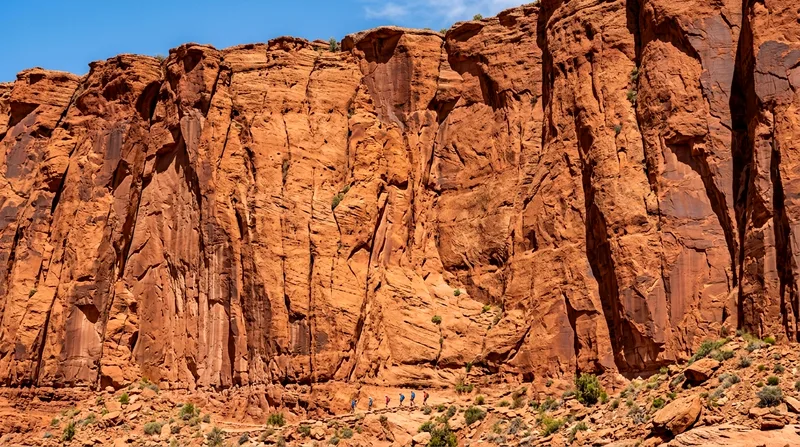
Early morning is close to non-negotiable for the Valley of the Winds walk. Park rangers close sections of the trail when forecast temperatures exceed 36°C, usually from around 11am — this happens often between November and March, so arriving after 9am in summer risks finding the loop partially shut. Walpa Gorge, being shorter and partly shaded, stays open later and is more forgiving if you arrive mid-morning.
Seasonal weather and crowds
May through September (the dry season) brings cooler days, often 20-28°C, and is when most tour buses run — expect company on the trail and in the car park at sunrise. December to February is brutally hot, often above 38°C, with the Valley of the Winds frequently closed by mid-morning; this is also when crowds thin out noticeably, which is an underrated trade-off if you can handle an early 6am start and are done walking by 9am. Compare this pattern to Alice Springs or the MacDonnell Ranges, which have more shade and water features and cope with heat slightly better for midday activity.
Daylight hours by season
Sunrise in the dry season winter months lands around 6:45-7am, giving you a cooler window before heat builds. In summer, sunrise shifts earlier, near 6am, which actually helps — more usable cool hours before the midday closure threshold hits. Sunset tours work well at Kata Tjuta too, though the formation doesn't put on quite the same red colour-change show as Uluru; if you only have one sunset, give it to Uluru and save Kata Tjuta for a sunrise or mid-morning walk instead.
Trail difficulty and accessibility
Don't assume Kata Tjuta's trails match Uluru's base walk in difficulty — they don't. Both Kata Tjuta tracks involve uneven rock, loose gravel, and real elevation change, which makes them a step up in physical demand from the flat, well-formed Uluru perimeter path.
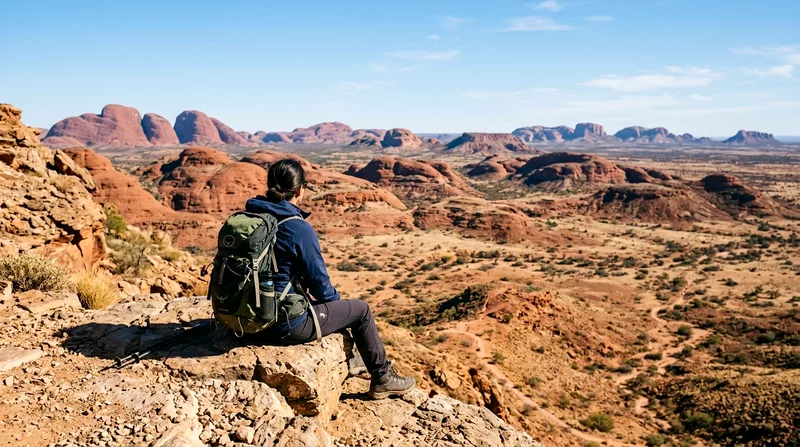
Walpa Gorge suits nearly all fitness levels, while the full Valley of the Winds loop demands real hiking stamina and an early start.
Kata Tjuta tour and trail options compared
| Trail/Option | Distance | Duration | Difficulty | Best for |
|---|---|---|---|---|
| Walpa Gorge | 2.6 km return | 45-60 min | Easy-moderate | Families, seniors, limited time |
| Valley of the Winds (Karu Lookout only) | 2.2 km return | 1 hour | Moderate | Time-limited visitors wanting a view |
| Valley of the Winds (full loop) | 7.4 km loop | 3-4 hours | Difficult | Fit hikers, early starters |
| Guided sunrise tour | Varies by operator | 4-6 hours incl. transfer | Moderate | First-timers, cultural context |
| Self-drive visit | 45 min from Yulara one-way | Half-day | Depends on trail chosen | Independent travelers with a car |
Distances and durations are approximate and can vary with trail conditions, closures, and pace; always check current park alerts before setting out.
Valley of the Winds difficulty
The full 7.4 km loop is graded as a moderate-to-difficult walk, with the section between Karu and Karingana lookouts being the steepest — narrow rock steps, some scrambling, and no shade for long stretches. Many visitors walk only to Karu Lookout (2.2 km return, about an hour) and turn back, which is a sensible compromise if you're short on time or not confident doing the full loop. This shorter option still gives genuine views into the valley without committing to the harder middle section.
Walpa Gorge for families and seniors
Walpa Gorge is the better pick for families with young children, senior travelers, or anyone with moderate mobility limits. The path is mostly flat gravel with a gentle incline, some loose rocks near the end, and partial shade from the gorge walls — genuinely cooler than Valley of the Winds on a hot day. It's not stroller-friendly due to rocky sections, but most people in reasonable walking fitness manage it without strain. If you're traveling with grandparents or kids under 8, I'd skip Valley of the Winds entirely and do Walpa Gorge plus the Karu Lookout short option instead.
Frequently asked questions
How long does a Kata Tjuta tour take?
A guided tour, including transfer from Yulara, typically runs 4-6 hours, covering either the Valley of the Winds or Karu Lookout walk plus some cultural commentary. Doing it independently, budget 2.5-4 hours round trip from Yulara for Valley of the Winds, or under 2 hours total if you're only doing Walpa Gorge.
Is Kata Tjuta suitable for families with young children?
Walpa Gorge works well for most families — it's short, partly shaded, and the terrain, while rocky in spots, is manageable for kids over about 6. The full Valley of the Winds loop is tougher going and not recommended for younger children due to steep, exposed sections and the heat risk on longer stretches.
Can I visit Kata Tjuta without a guide?
Yes. Kata Tjuta self-drive is common and doesn't require a permit beyond the standard national park pass. The road from Yulara is sealed and takes about 45 minutes. You'll miss guided cultural interpretation, but both trailheads have signage, and the walks are clearly marked.
What should I bring for a Kata Tjuta walk?
Bring at least 1.5-2 litres of water per person for Valley of the Winds, a wide-brim hat, sunscreen, and sturdy closed shoes — the rock and gravel underfoot aren't sandal-friendly. There's no water refill point or shop at either trailhead, so carry what you need from Yulara.
Are there shade or rest areas on the trails?
Walpa Gorge has natural shade from the gorge walls for much of its length. Valley of the Winds has very little shade outside the lookout shelters at Karu and Karingana, so plan your pace around those two rest points rather than expecting shade along the open sections in between.