Compare Uluru car rental options at Ayers Rock Airport. Fuel costs, unsealed-road rules, insurance gaps, and when self-drive beats a tour.
Uluru Car Rental: Is Self-Drive Worth It?
Self-driving Uluru offers flexibility and independence, but rental costs, fuel prices, and road conditions make it worth comparing against guided tours before you book anything. Ayers Rock Airport — the only airport serving the region — has a small handful of rental counters, and Yulara car hire isn't cheap by Australian standards, mostly because there's no competition pushing prices down and every vehicle, part, and liter of fuel has to be trucked hundreds of kilometers into the Red Centre.
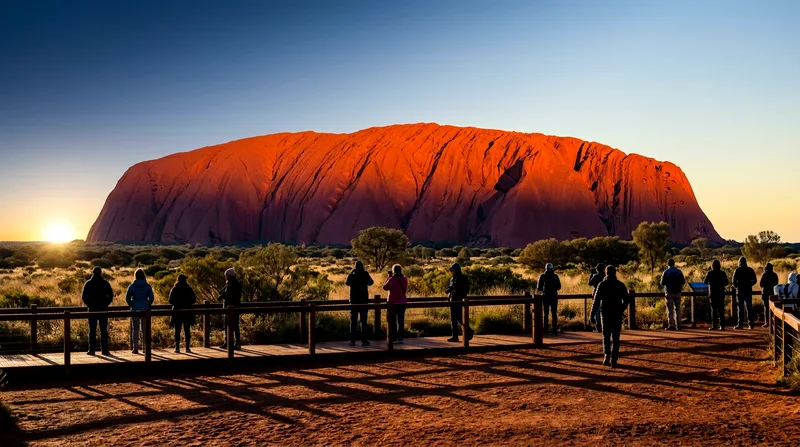
Here's the blunt version: a rented car gets you to Uluru-Kata Tjuta National Park, to the Valley of the Winds walk, and to sunset viewing areas on your own schedule. That's real value if you're staying four or five nights. If you're on a one-night turnaround between Alice Springs and Darwin, the hire-car math rarely beats a shuttle-and-tour combo, and you'll spend more time organizing logistics than enjoying the park. The decision comes down to trip length, group size, and how much you value not having someone else's itinerary dictating your sunrise.
Car Rental Providers at Ayers Rock Airport
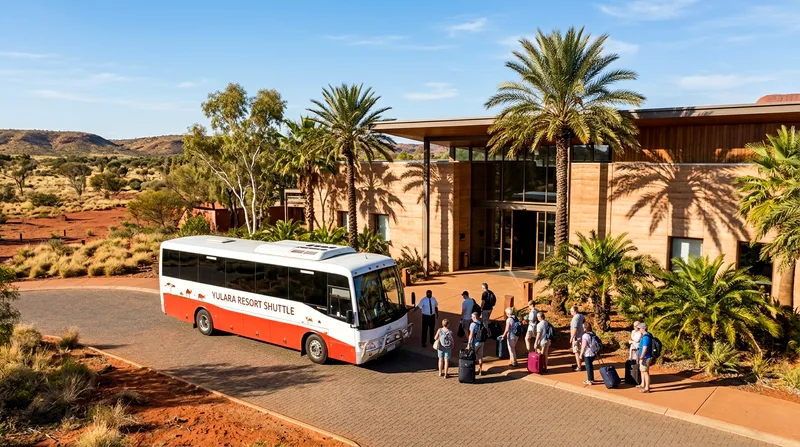
Ayers Rock Airport (the gateway for Uluru and Yulara) has a limited rental footprint compared to Alice Springs or Darwin. You won't find the dozen-brand lineup you'd see at a capital city airport — expect two or three major international chains with counters inside or adjacent to the terminal, plus occasional smaller local operators based in Yulara township itself, a 15-minute drive away. Booking ahead is not optional during peak season (May to September); walk-up availability is thin because fleet sizes here are small by design — there's simply not enough year-round demand to justify large inventories in such a remote location.
Major operators and booking options
The practical approach is to book online before you fly in, comparing current prices through a booking platform rather than hoping for a same-day deal — Red Centre rental supply is tight enough that spontaneous hires often mean paying premium rates for whatever's left, usually the largest SUV on the lot. Expect to need a credit card in the lead driver's name for the security deposit (commonly AUD 200–500 depending on vehicle class), and most counters close early evening, so plan arrival times accordingly if your flight lands after 6pm.
Vehicle types and availability
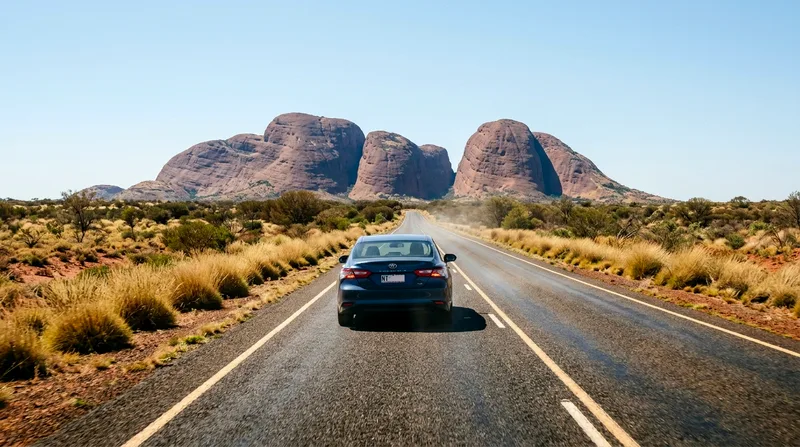
Standard sedans and small SUVs make up most of the fleet, since the main tourist roads — the Lasseter Highway, the road into the national park, and the loop to Kata Tjuta — are fully sealed. Genuine 4WDs are available but limited in number and cost noticeably more per day; you don't need one unless you're planning routes well beyond the standard tourist loop. Automatic transmission is standard across nearly all rental stock here, which suits the many international visitors unused to manuals, though it does mean less choice if you specifically want a manual for fuel economy.
Rental Costs vs. Tour Operators
This is where the self-drive decision gets made or broken. Ayers Rock car rental cost runs higher than equivalent hire in Sydney or Melbourne — remoteness, limited competition, and higher operating costs all push rates up. You're paying for access, not a bargain.
For a single traveler or a short stay, a guided tour often costs about the same as self-drive once fuel and insurance are added — but for groups staying several nights, renting a car is usually cheaper and more flexible.
Uluru car rental vs. guided tours: cost and suitability compared
| Option | Typical Daily/Trip Cost (AUD) | Best For | Flexibility | Road Requirement |
|---|---|---|---|---|
| Compact car rental | 80–150/day | Couples, small groups, 3+ nights | High | Sealed roads only |
| SUV rental | 110–200/day | Families, longer Red Centre loops | High | Sealed roads only |
| 4WD rental | 150–250/day | Remote tracks, Mereenie Loop-style routes | High | Unsealed-rated vehicle required |
| Half-day Uluru tour | 100–180/person | Solo travelers, short stays | Low | N/A |
| Full-day Uluru & Kata Tjuta tour | 180–280/person | Time-poor visitors, first-timers | Low | N/A |
| Multi-day self-drive (Uluru + Kings Canyon) | 100–150/day avg with discount | Independent travelers, photographers | High | Sealed, permit-checked routes |
Figures are typical ranges based on standard market rates; confirm current prices and inclusions directly when booking.
Daily rental rates breakdown
A small sedan or compact SUV typically runs from the AUD 80–150 per day range for a short hire, before fuel and insurance add-ons. That's roughly double what you'd pay for the same car class in a major capital city. Compare that to a half-day guided tour of Uluru base walk and sunset viewing, which commonly sits in the AUD 100–180 per person range, or a full-day Uluru and Kata Tjuta combination tour, often AUD 180–280 per person. For a solo traveler, a tour can actually come out cheaper than renting a car outright once fuel and insurance are added. For two or more people splitting one vehicle, self-drive usually wins on cost.
Multi-day rental discounts
Daily rates drop meaningfully for rentals of four days or longer — often 15–25% off the single-day rate once you book a week-long hire instead of a 2-day one. If your Red Centre itinerary includes Kings Canyon or a loop through Watarrka National Park and back via the Mereenie Loop or sealed highways to Alice Springs, a multi-day rental spreads the fixed costs (airport surcharges, one-off admin fees) across more driving days, which is where self-drive starts to clearly beat piecing together separate tours for each stop.
Unsealed Roads & Vehicle Requirements
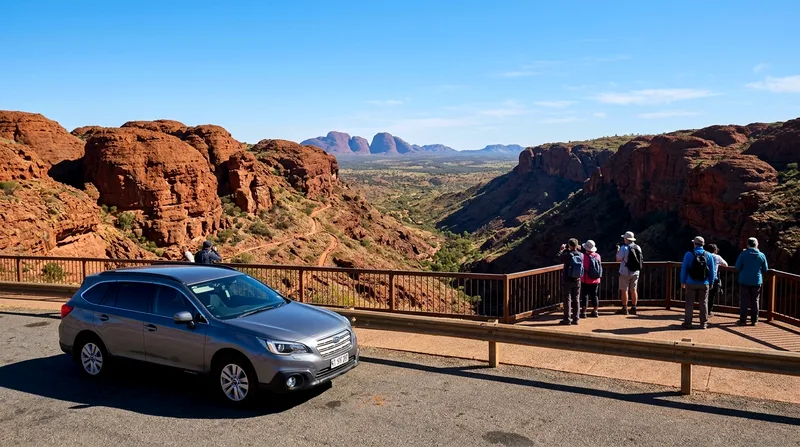
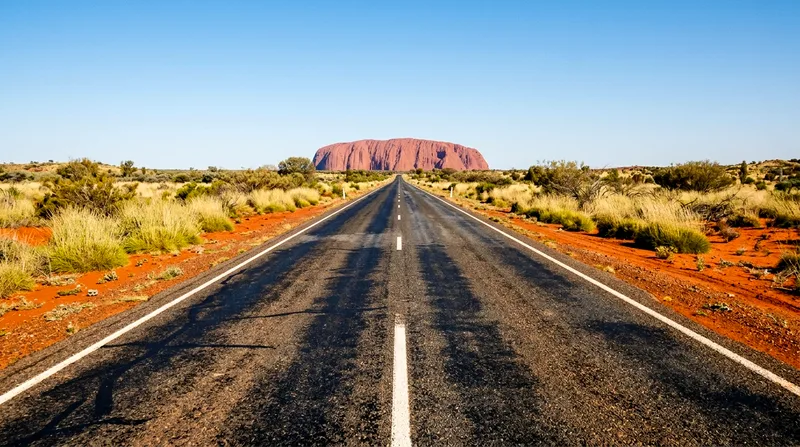
Good news first: every road a typical visitor needs — Yulara to the national park entrance, the loop to Uluru, and the drive to Kata Tjuta and the Valley of the Winds car park — is fully sealed. You do not need a 4WD to see Uluru's main sights, and renting one for that alone is money wasted.
Permitted routes and restrictions
Where it gets restrictive is anything beyond the core tourist loop. Many standard rental agreements explicitly prohibit driving on unsealed roads at all — including popular detours like parts of the Mereenie Loop Road between Kings Canyon and the West MacDonnell Ranges, which is unsealed and requires a permit regardless of vehicle type. Breach that clause and any damage, even a flat tyre, typically isn't covered. Always check the specific rental contract's permitted-road map before assuming you can improvise a scenic shortcut.
4WD vs. standard vehicle rules
If your plan includes genuinely remote tracks — some 4WD-only routes near Watarrka or deeper into the MacDonnell Ranges — you need a rental company that explicitly permits it, plus a vehicle actually rated for it, not just an SUV with four driven wheels marketed loosely. Standard 2WD rentals are fine for Uluru, Kata Tjuta, Kings Canyon's main car park, and Alice Springs. Anything off that short list, confirm in writing before you drive it.
Self-Drive vs. Guided Tour: Who Should Choose What
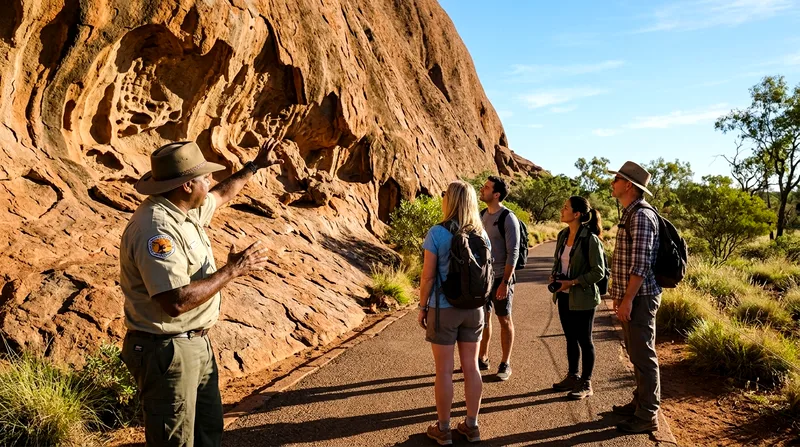
Neither option is objectively better — they suit different trips. A guided tour wins on cultural context: operators running Uluru base walks and Kata Tjuta's Valley of the Winds typically include Anangu cultural interpretation you simply won't get driving yourself, since much of Uluru's significance isn't signposted. Self-drive wins on timing — you can be parked at the sunrise viewing area before a tour bus has even left Yulara.
Best for independent travelers
If you're the type who wants to linger at the Mutitjulu Waterhole longer than a tour schedule allows, or chase sunset light across multiple viewpoints in one evening, self-drive suits you. Couples and small groups staying three nights or more get the most value, since you can split one car's cost and actually use the flexibility across multiple days — including a side trip to Kings Canyon, roughly a 3.5-hour drive from Yulara, which most day tours either skip entirely or rush.
Best for time-conscious visitors
If you've got one or two nights and want to maximize time actually at Uluru rather than figuring out park entry logistics, parking, and road signage, book a tour. Families with young children often do better on a tour too — someone else is driving, watching the clock, and handling the Uluru-Kata Tjuta National Park entry pass (AUD 38 per adult for a three-day pass, typically), which removes one more thing to manage in 40°C summer heat.
Frequently asked questions
Is it cheaper to rent a car or book a tour at Uluru?
For a solo traveler on a short stay, a guided tour is often cheaper once you add fuel and insurance to a rental's daily rate. For two or more people staying three nights or longer, splitting a rental car's cost across the group usually works out cheaper than paying per-person tour prices for each day.
Do I need 4WD to drive around Uluru?
No. The roads to Uluru, Kata Tjuta, and the Valley of the Winds car park are fully sealed and manageable in a standard sedan or small SUV. A 4WD is only necessary if you're planning unsealed routes like parts of the Mereenie Loop near Kings Canyon, and even then you need a rental agreement that explicitly permits unsealed driving.
What is the fuel cost for a self-drive Uluru trip?
Fuel at Yulara and Red Centre roadhouses runs 20–40 cents per liter above capital-city prices. A round trip from Yulara to Kings Canyon and back (about 600km total) typically costs AUD 100–150 in fuel, depending on your vehicle's fuel efficiency and current pump prices.
Are unsealed roads covered by standard car rental insurance?
Usually not. Most standard rental policies at Ayers Rock Airport exclude damage from gravel, dust, or unsealed sections, even minor chips from loose stones on otherwise sealed highways. Check your contract's specific wording on "unsealed roads" before driving beyond the main sealed tourist loop.
How long does a self-drive Uluru visit typically take?
A focused visit covering Uluru's base walk and a Kata Tjuta sunset stop can be done in two full days. If you're adding Kings Canyon or an Alice Springs and MacDonnell Ranges loop, plan for four to six days to drive comfortably without rushing between long outback distances.