Alice Springs to Uluru drive or tour — compare costs, time, safety and flexibility to decide which suits your Red Centre trip best.
Options at a Glance
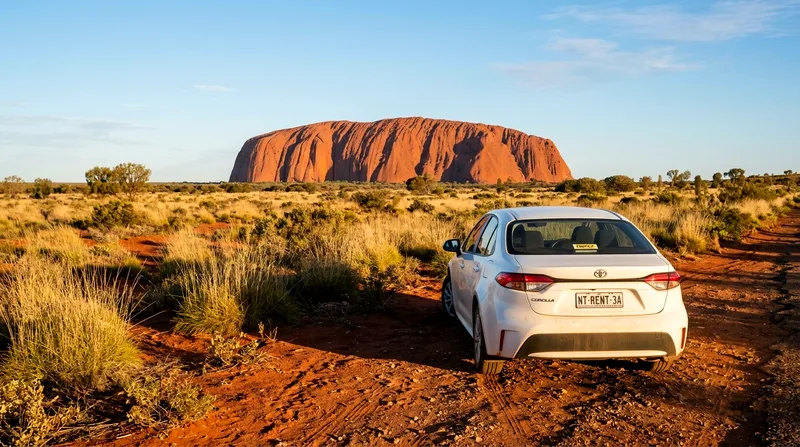
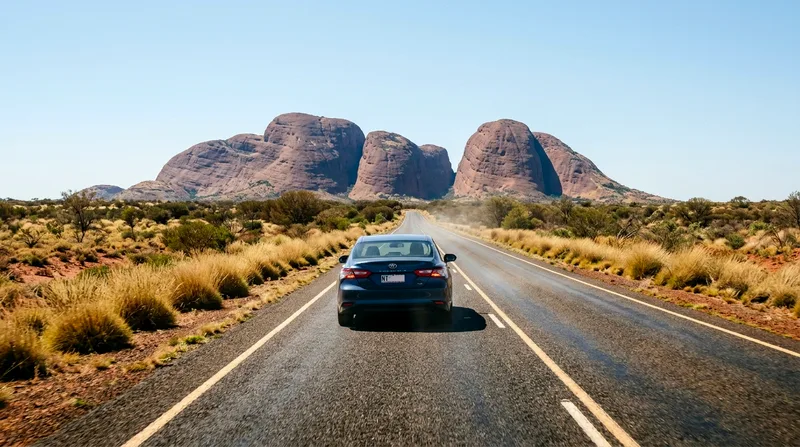
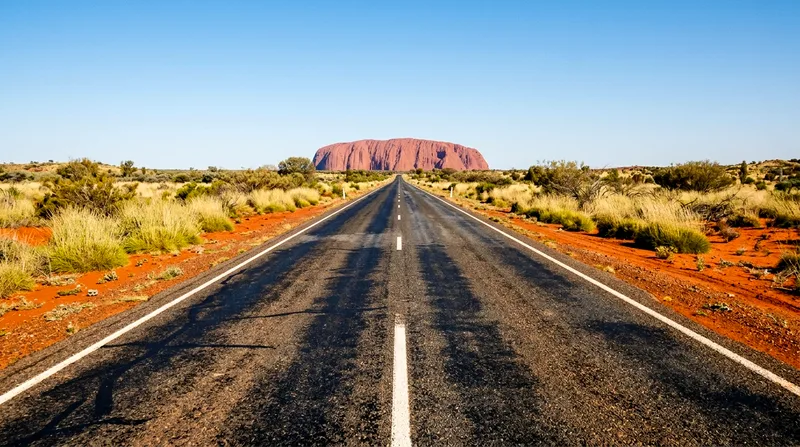
Anyone planning the Alice Springs to Uluru drive or tour decision is really choosing between two different trips, not just two ways of covering the same 450 kilometres. The road itself — Lasseter Highway for the final stretch — is sealed and well maintained, so this isn't a 4WD expedition. That surprises some people who expect the Red Centre to feel like the Simpson Desert Track. It doesn't, but the distance and emptiness still shape the decision more than most first-time visitors expect.
Self-driving means renting a car in Alice Springs, covering roughly 450km each way (about 5 hours of driving one-way without stops), and managing your own fuel, accommodation and pace. Guided tours range from single-day return trips (long, tiring days with little time at Uluru itself) to multi-day packages that bundle Kings Canyon, Kata Tjuta and Uluru into a loop, often finishing or starting at Ayers Rock Resort near the national park.
Neither option is objectively better. A couple travelling with no time pressure might love the self-drive freedom to stop at Mount Ebenezer or detour slightly for photos. A solo traveller on a nine-day Australia itinerary will likely resent losing two full days to driving when a tour could compress Uluru, Kata Tjuta and Kings Canyon into one coordinated loop.
Self-drive rental car
Renting in Alice Springs is straightforward — all the major agencies operate from the airport and town centre, and a standard sedan is perfectly adequate for the sealed highway route. You don't need a 4WD unless you're planning side trips onto unsealed tracks, which most first-time visitors skip anyway. Expect to return the car in Alice Springs unless you pay a one-way drop fee at Ayers Rock Resort's small airport hub, which can add a meaningful surcharge depending on the rental company's current policy. Book well ahead during July to September — the Red Centre's peak season — because the rental fleet in Alice Springs is smaller than you'd expect for a town that funnels so much tourist traffic toward Uluru.
Guided tour operator
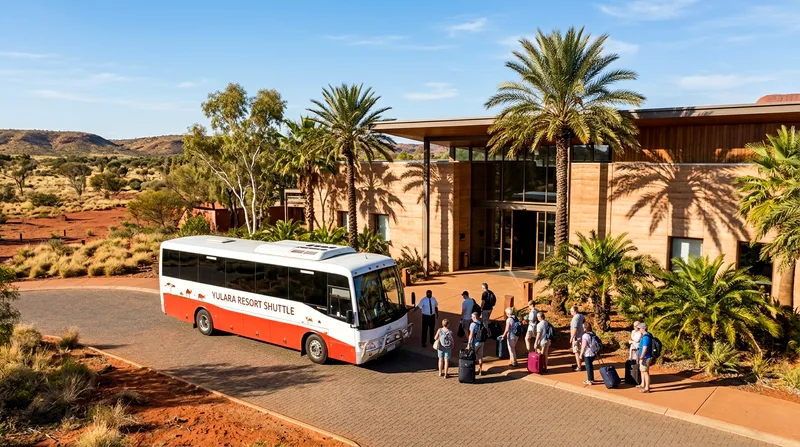
Tour options split into day-return coach trips, overnight camping safaris, and multi-day small-group tours that loop through Kings Canyon and Watarrka National Park before or after Uluru. Most mid-range and premium tours include transport, a driver-guide with cultural and geological commentary, entry fees to Uluru-Kata Tjuta National Park, and at least one meal. Some bundle Ayers Rock Resort accommodation; others leave you to book your own. The trade-off is obvious: you give up control over timing in exchange for someone else managing navigation, fuel stops and the park's cultural access rules — which matter more at Uluru than most destinations, given the sensitive sites you're asked not to photograph.
Cost Comparison
Cost is rarely as simple as "driving is cheaper." It depends entirely on group size, how many days you have, and whether you were already planning to rent a car for other parts of the Northern Territory, such as a MacDonnell Ranges detour out of Alice Springs.
Self-drive tends to cost less for groups of three or more, while guided tours save time and remove the navigation and fatigue burden entirely.
Alice Springs to Uluru drive or tour: cost, time and flexibility compared
| Option | One-way distance/time | Typical cost basis | Flexibility | Best group size |
|---|---|---|---|---|
| Self-drive rental car | 450km, approx. 5 hrs | Rental + fuel + accommodation, split per person | High — stop anywhere, set your own pace | 3-5 people |
| Day-return coach tour | 450km each way, same day | Single all-in price per person | Low — fixed schedule, long hours on board | Solo or couples short on time |
| 2-3 day small-group tour | Looped with Kings Canyon | Mid-range all-in price per person | Moderate — set stops, some free time | Solo travellers, couples |
| Multi-day camping safari | 3-5 day loop incl. Kata Tjuta | Lower-cost all-in, camping-based | Moderate — structured but social | Budget travellers, backpackers |
| Private driver/guide | 450km each way, custom pace | Premium, priced per vehicle not per person | Very high — fully custom itinerary | Families, senior travellers |
Figures are typical ranges for Central Australia; always check current rental rates, fuel prices and tour inclusions before booking.
Vehicle rental and fuel
A small-to-medium rental car in Central Australia typically runs in the range of AU$70-120 per day, more in peak season or with a one-way drop fee. Fuel is the real sting: servo prices at Erldunda, Curtin Springs and Yulara often sit well above capital-city averages, sometimes by 30-40%, because everything is trucked in across huge distances. Budget for roughly AU$150-250 in fuel for the Alice Springs–Uluru–Alice Springs round trip in a standard car, more if you're also driving out to Kings Canyon, which adds another 300km or so to the loop. For a solo traveller, renting a car rarely beats a tour price per person. For four people splitting a car, self-drive is usually the cheaper option once you tally rental, fuel and the national park entry fee, which currently runs around AU$38 per adult for a three-day pass regardless of how you arrive.
Tour package pricing
Day-tours from Alice Springs to Uluru and back in a single (very long) day exist, but they're a hard sell — you'll spend more hours on the bus than at the rock. Multi-day tours, typically two to four days and often looping through Kings Canyon, are the more sensible comparison point. Pricing varies widely by group size, accommodation style (swag camping versus hotel), and inclusions, so check current prices and itineraries when booking rather than relying on a headline figure. As a rough guide, budget-camping multi-day tours tend to sit at the lower end, while small-group tours with hotel stays at Ayers Rock Resort cost noticeably more per day. The park entry fee is usually included in the tour price, which simplifies budgeting even if it obscures the true per-person breakdown.
Time and Flexibility
Time is where the Alice Springs to Uluru road trip debate really gets decided for most people. Five hours of driving each way sounds manageable until you factor in fuel stops, a food break at Erldunda Roadhouse, and the fact that you'll want energy left over to actually explore once you arrive — not collapse at the resort.
Itinerary control
Driving yourself means you decide when to leave, whether to detour toward Kings Canyon via the Mereenie Loop (partially unsealed — check conditions and permit requirements before attempting it) or stick to the longer but fully sealed Lasseter Highway route via Erldunda. You can chase the light for photos, linger at the Uluru-Kata Tjuta Cultural Centre, or skip it entirely if you're short on time — though skipping it is a mistake, since it's one of the few places that properly explains why certain sites around the rock are off-limits to photography. Tours remove this choice. You go where the guide goes, when the guide goes there, full stop.
Departure schedules
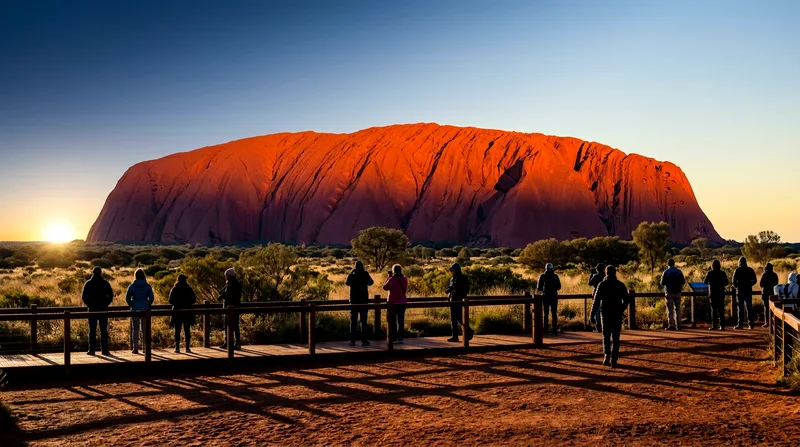
Guided tours run on fixed departure days, which matters if your flights into Alice Springs don't align neatly. Popular multi-day tours may only depart two or three times a week, so you need to book around their schedule rather than yours — a real constraint for travellers with a tight window. Self-drivers leave whenever they want, which also means you control sunrise and sunset timing at Uluru directly, rather than hoping the tour's viewing-platform stop coincides with good light. That said, sunrise at the rock is genuinely better experienced with someone who knows which of the several viewing areas avoids the crowds — a small but real tour advantage.
Safety and Effort
This is the section people underestimate before an Alice Springs Uluru self drive. The highway is safe and well-signed, but it's monotonous, and the Northern Territory's long, straight roads are exactly where fatigue causes crashes.
Road conditions and distance
The Stuart Highway out of Alice Springs and the Lasseter Highway to Yulara are both sealed, two-lane roads in generally good condition. Wildlife is the main hazard — cattle, kangaroos and emus wander onto the road, especially at dawn and dusk, which is exactly when the light is best for photos and exactly when you should be most cautious. Avoid driving between dusk and a couple of hours after dark; most rental agreements actually restrict or void insurance for night driving on remote roads, a detail many visitors miss until they read the fine print. Distances between fuel stops are long — Erldunda, Curtin Springs and Yulara are effectively your only options — so don't set off with under half a tank.
Driver fatigue and navigation
Five hours of flat, repetitive scenery is more tiring than five hours of city or coastal driving — there's less to keep you alert. For a solo driver, that's a genuine safety concern, not just a comfort complaint. Build in a stop every 90 minutes to two hours, even if you don't feel tired yet. Mobile phone coverage drops out almost entirely between towns, so download offline maps before leaving Alice Springs and don't rely on real-time traffic or navigation data. Tours sidestep all of this — the guide drives, you watch the Red Centre go past, and the only real cost is giving up the wheel.
Who Should Choose Which
There's no universal right answer to the Uluru guided tour vs self drive question — it genuinely depends on who's travelling and what else is on the itinerary, including Kings Canyon, Kata Tjuta or a broader Northern Territory loop through Darwin and Kakadu.
Best for self-drivers
Choose self-drive if you're travelling as a group of three or more (cost splits favourably), you have at least 4-5 days to spend in the Red Centre, and you want the option to also detour to the MacDonnell Ranges or Kings Canyon without rebooking a tour. It also suits confident drivers comfortable with long, empty highways — if you've driven outback Australia or rural Spain or the American Southwest before, this will feel familiar rather than daunting. I wouldn't recommend it for anyone arriving jetlagged straight off an international flight into Alice Springs with plans to drive the same day — give yourself at least one night to recover first.
Best for tour passengers
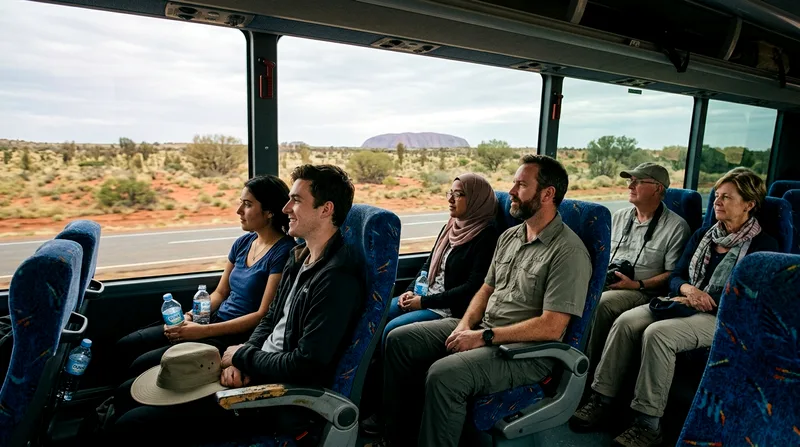
Choose a guided tour if you're travelling solo, you're a senior traveller who'd rather not manage long remote driving, or you simply have limited days and want Uluru, Kata Tjuta and ideally Kings Canyon covered efficiently without route-planning. European and other international travellers unfamiliar with Australia's driving conditions — left-hand traffic, wildlife on the road, extreme distances between services — often do better starting with a tour, then renting a car later for shorter, easier legs like Alice Springs to the MacDonnell Ranges, which is a much gentler introduction to outback driving.
The Verdict
If you're weighing an Alice Springs to Uluru road trip against a tour from Alice Springs to Uluru, let the maths and your tolerance for long driving decide it, not romance about the open road. A family of four with a rental car already booked for other Northern Territory stops will almost certainly save money driving themselves, and they gain the freedom to adjust pace around kids' energy levels. A couple on a two-week honeymoon loop through Darwin, Kakadu and the Red Centre, with limited days to spare, will get more out of a multi-day tour that handles logistics while they focus on Uluru, Kata Tjuta and Kings Canyon back to back.
What I wouldn't do is attempt the single-day return drive from Alice Springs just to tick Uluru off a list — you'll spend ten hours driving for maybe two hours at the rock, which undersells one of the most significant sites in the Northern Territory. Equally, I wouldn't recommend a rigid day-tour to anyone who specifically wants quiet time at sunrise without a group schedule dictating when you leave the viewing area. Match the option to your actual travel style, not what sounds more adventurous on paper.
Frequently asked questions
How far is Alice Springs to Uluru by car?
It's approximately 450km one-way via the Stuart and Lasseter Highways, taking around 5 hours of driving without stops. Most self-drivers budget 6-7 hours including a fuel and food break at Erldunda Roadhouse, roughly the halfway point.
Is it safe to self-drive to Uluru?
Yes — the road is sealed and well-maintained the entire way, and a standard rental car is sufficient. The main risks are driver fatigue on the long, repetitive highway and wildlife crossing the road at dawn and dusk, so avoid night driving and take regular breaks.
What's included in a guided tour from Alice Springs?
Most multi-day tours include transport, a driver-guide, national park entry fees, and at least one meal; many also cover Kings Canyon and Kata Tjuta in the same loop. Accommodation style varies from camping swags to Ayers Rock Resort hotel stays, so check inclusions before booking.
Can you drive to Uluru at night?
You can, but most rental companies restrict insurance coverage for driving between dusk and dawn on remote Northern Territory roads due to wildlife collision risk. It's not worth the liability — plan your drive to arrive before dark.
Do you need a 4WD to reach Uluru?
No — the Lasseter Highway and the route from Alice Springs are fully sealed, so a standard sedan or small car is fine. You'd only need a 4WD for unsealed detours like parts of the Mereenie Loop toward Kings Canyon, which requires a permit.